
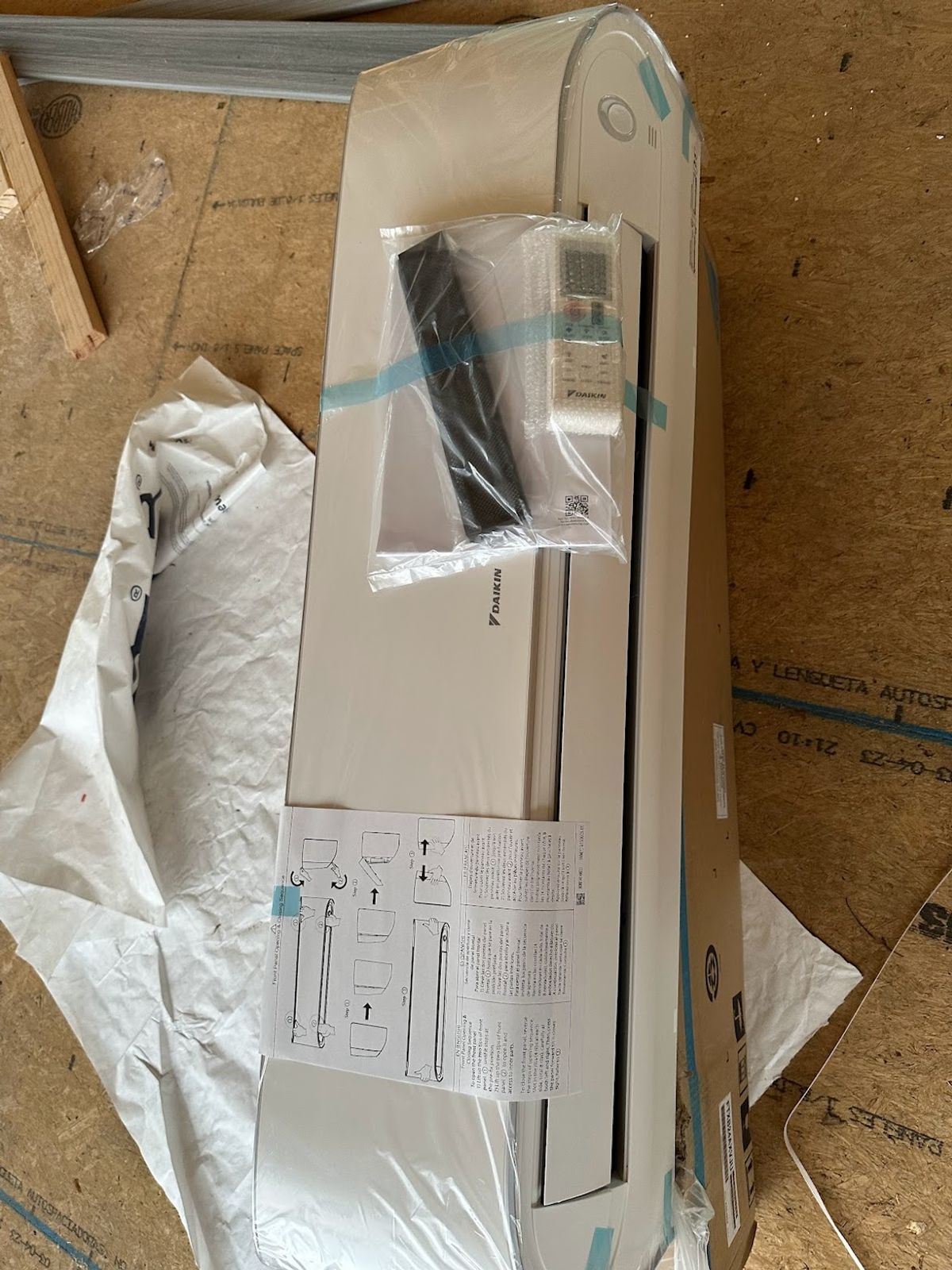
Frozen AC evaporator coil
Back to Blog HVAC TIPS

What Causes an AC Unit to Freeze Up? Causes, Fixes & Prevention

Apr 3, 2026 10 min read Alex Weber
Quick Read

This article covers:

  • The 5 most common causes of AC freeze-up
  • What to do immediately when you discover ice on your unit
  • DIY fixes vs. problems that require a professional
  • How freeze-ups damage your compressor if left untreated
  • Prevention steps that stop freeze-ups before they start

Estimated read time: 5 minutes.

It’s 90°F outside and your air conditioner is literally covered in ice. It seems impossible — how can something freeze when it’s that hot? But a frozen AC unit is one of the most common service calls we get in New York, especially during the first major heat wave of summer.

The irony? Ice on your AC means it’s not cooling your home. The ice insulates the evaporator coil, blocking the heat absorption that makes air conditioning work. The longer it runs in this state, the thicker the ice builds — and the greater the risk of permanent compressor damage.

Here’s what causes freeze-ups, what to do when it happens, and how to prevent it from happening again.
Warning Sign #01

Dirty Air Filter (Most Common)

A clogged filter restricts airflow across the evaporator coil. Without enough warm air flowing over the coil, the refrigerant temperature drops below freezing and moisture in the air freezes on contact. This is the cause in roughly 40% of freeze-up calls.

Check your filter right now — if you can’t see light through it, replace it
Replace every 1–2 months during heavy cooling season
Pet owners and allergy sufferers: check monthly
A $5 filter prevents a $200+ service call
Warning Sign #02

Low Refrigerant (Leak)

When refrigerant leaks out, the remaining refrigerant expands more than designed, dropping the evaporator temperature well below freezing. Low refrigerant is the second most common cause of freeze-up — and it always means there’s a leak somewhere that needs professional repair.

Low refrigerant = a leak exists (systems don’t “use up” refrigerant)
Look for oil stains at refrigerant line connections
Recharging without fixing the leak is a temporary band-aid
Leaks worsen over time — fix early to avoid compressor damage
Warning Sign #03

Blocked or Closed Supply Vents

Closing too many vents in unused rooms restricts total airflow across the evaporator. The system is designed for a specific airflow volume — closing more than 20% of vents drops coil temperature below freezing. The same happens with furniture blocking return air vents.

Keep at least 80% of supply vents open at all times
Never block return air vents with furniture or curtains
Closing vents doesn’t save energy — it increases system stress
Check all vents after rearranging furniture
Warning Sign #04

Dirty Evaporator Coil

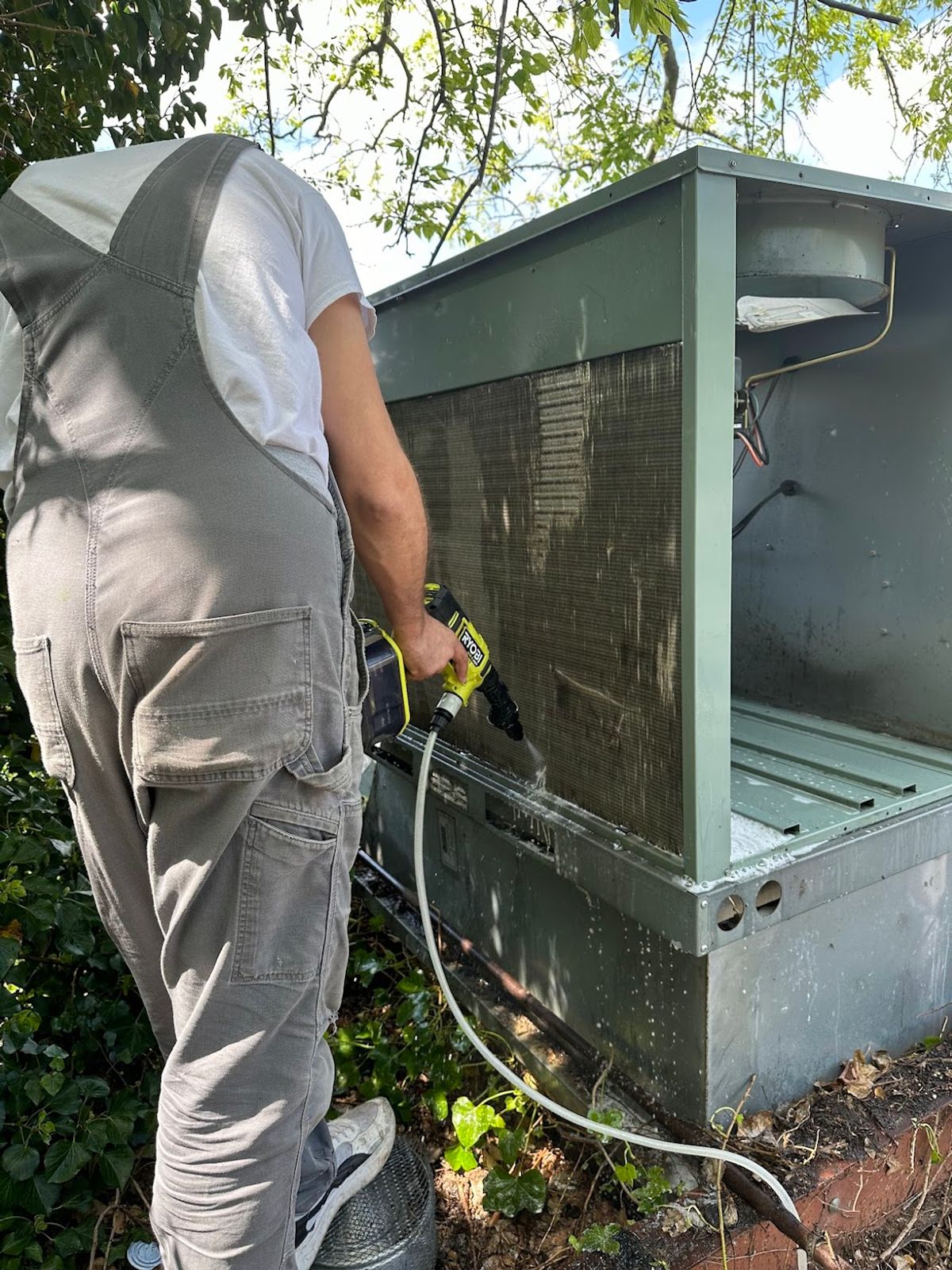
Over time, dust and debris coat the evaporator coil, creating an insulating layer that prevents heat absorption. The coil gets colder and colder until ice forms. This happens gradually — often over years of skipped maintenance — and usually shows up during the first heavy-use week of summer.

Evaporator coils should be cleaned annually by a technician
DIY cleaning is difficult — coils are inside the air handler
A dirty coil reduces efficiency by 20–40% before it freezes
Coil cleaning is part of a standard AC tune-up
Warning Sign #05

Blower Fan Failure

If the blower motor fails, slows down, or stops intermittently, air stops flowing across the evaporator even though the compressor keeps running. No airflow means no heat absorption, and the coil freezes solid. A failing blower motor often makes unusual humming or squealing sounds before it stops.

Listen for changes in fan sound — slower, louder, or intermittent
Motor capacitor failure is the most common cause ($150–$300)
Belt-drive blowers: check belt tension and condition
Complete motor replacement: $300–$600
What to Do Right Now

If your AC is frozen: (1) Turn off the AC at the thermostat — but leave the fan set to “ON” to blow warm air over the coils and melt the ice. (2) Do NOT try to chip or scrape ice off — you’ll damage the aluminum fins. (3) Check and replace the air filter while waiting. (4) Let the system thaw completely (2–4 hours) before restarting. If it freezes again, call a technician — the problem is beyond a filter change.

What You Can Fix Yourself

Before calling a technician, try these steps — they resolve about 40% of freeze-up cases:

  1. Replace the air filter — If it’s dirty, this is likely your entire problem. Replace it and let the system thaw for 2–4 hours before restarting.
  2. Open all supply vents — Walk through every room and make sure all vents are open and unobstructed. Check return vents too.
  3. Check the blower fan — With the thermostat fan set to “ON”, verify air is actually blowing from supply vents. If not, the blower motor may have failed.
  4. Let it thaw completely — Don’t restart until ALL ice is melted. Place towels under the indoor unit to catch dripping water. Running a frozen system damages the compressor.

If the system freezes again after these steps, you need professional diagnosis — the problem is likely low refrigerant, a dirty coil, or a mechanical issue.

FREEZE-UP REPAIR COSTS

What Freeze-Up Repairs Actually Cost

Air Filter Replacement (DIY)$5–$15
Diagnostic + Refrigerant Recharge$250–$500
Evaporator Coil Cleaning$150–$400
Refrigerant Leak Repair + Recharge$350–$800

* NYC metro area pricing. Emergency/after-hours adds $100–$200.

DIY Fix or Call a Pro?

Try DIY First
Filter is visibly dirty or clogged
Vents were closed in unused rooms
System hasn’t been used in months (first startup)
Ice melts and system runs fine after filter change
No unusual sounds or smells
Call a Professional
System re-freezes after filter change and thaw
You hear hissing near refrigerant lines (leak)
Blower fan isn’t running or is running slowly
Ice covers the outdoor unit or refrigerant lines
System has frozen 2+ times this season
Why Freeze-Ups Damage Your Compressor

When ice melts, liquid refrigerant can flow back to the compressor — a condition called “liquid slugging.” Compressors are designed to compress gas, not liquid. Liquid slugging can crack internal valves, damage bearings, and lead to compressor failure ($1,500–$3,000 replacement). This is why you must let the system thaw completely before restarting.

How to Prevent Freeze-Ups

Most freeze-ups are 100% preventable with basic maintenance. Here’s the checklist that keeps your coils ice-free:

  • Replace the air filter every 1–2 months during cooling season (the #1 prevention step)
  • Schedule an annual AC tune-up (includes coil cleaning, refrigerant check, blower inspection)
  • Keep all vents open — at least 80% of supply registers and all return vents
  • Don’t set thermostat below 70°F — extremely low settings on hot days can push evaporator temps below freezing
  • Fix refrigerant leaks promptly — don’t just recharge and hope for the best; find and fix the leak
A $5 air filter, replaced on time, prevents 40% of AC freeze-ups. A $150 annual tune-up prevents the other 60%. Together, they’re the cheapest insurance your cooling system has.

AC FREEZE-UP

Frequently Asked Questions

Find answers to common questions about our HVAC, plumbing, and refrigeration services.

No. Running a frozen AC risks liquid slugging, which can destroy the compressor ($1,500–$3,000 replacement). Turn off cooling immediately, set fan to “ON” to help thaw, and wait 2–4 hours until all ice is melted before restarting.

Typically 2–4 hours with the fan running on “ON” (not “cool”). Severe freeze-ups with thick ice may take 6–8 hours. Place towels under the indoor unit to catch melt water and check periodically — don’t restart until the coil is completely clear.

Recurring freeze-ups almost always indicate one of two things: a refrigerant leak that hasn’t been repaired (just recharged), or a chronic airflow problem from a failing blower motor or severely dirty evaporator coil. If it’s happened twice this season, professional diagnosis is needed.

Yes — it’s the second most common cause. Low refrigerant pressure causes the evaporator coil temperature to drop below 32°F, freezing moisture from the air. Low refrigerant always means a leak exists somewhere that needs professional repair.

If the cause is a dirty filter, it’s $5–$15 (DIY). Professional diagnosis runs $150. Refrigerant recharge: $250–$500. Leak repair + recharge: $350–$800. Evaporator coil cleaning: $150–$400. Blower motor replacement: $300–$600.

Limited Availability

AC Frozen and Won’t Cool?

Don’t let a freeze-up turn into a compressor replacement. Our certified technicians will diagnose the root cause, fix it right, and make sure it doesn’t happen again — often the same day you call.

Alex Weber

Marketing and Sales dept