
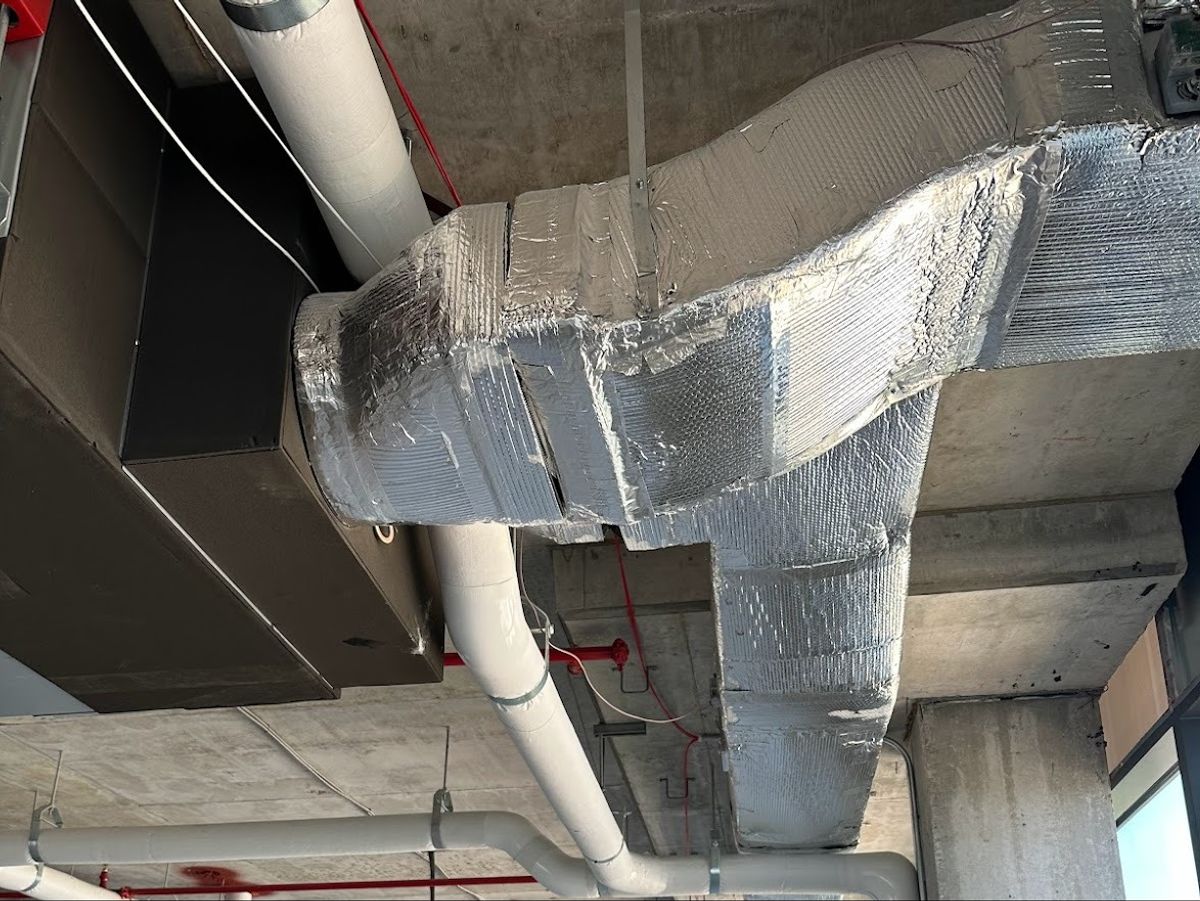
Commercial chiller system
Back to Blog HVAC TIPS

Chiller Refrigerant Guide: Types, Regulations & Best Practices

Apr 1, 2026 10 min read Alex Weber
Quick Read

This article covers:

  • The 5 most common chiller refrigerants and where each is used
  • EPA phase-out timeline: which refrigerants are disappearing and when
  • How refrigerant choice affects efficiency, cost, and compliance
  • Step-by-step transition planning for R-22 and R-123 systems
  • NYC-specific regulations that go beyond federal requirements

Estimated read time: 5 minutes.

Your chiller’s refrigerant isn’t just a technical detail buried in a spec sheet — it’s a regulatory, financial, and operational decision that affects your building for the next 15–25 years. Choose the wrong refrigerant during a retrofit, and you’ll face rising costs, shrinking supply, or outright compliance violations.

The refrigerant landscape is shifting faster than most building owners realize. R-22 is already gone. R-123 is being phased out. Even R-410A — the current standard for smaller systems — faces restrictions starting in 2025. Understanding these transitions is critical for anyone managing commercial HVAC systems in New York.

This guide breaks down every refrigerant you’re likely to encounter, its regulatory status, and exactly what to do if your system uses one that’s being phased out.
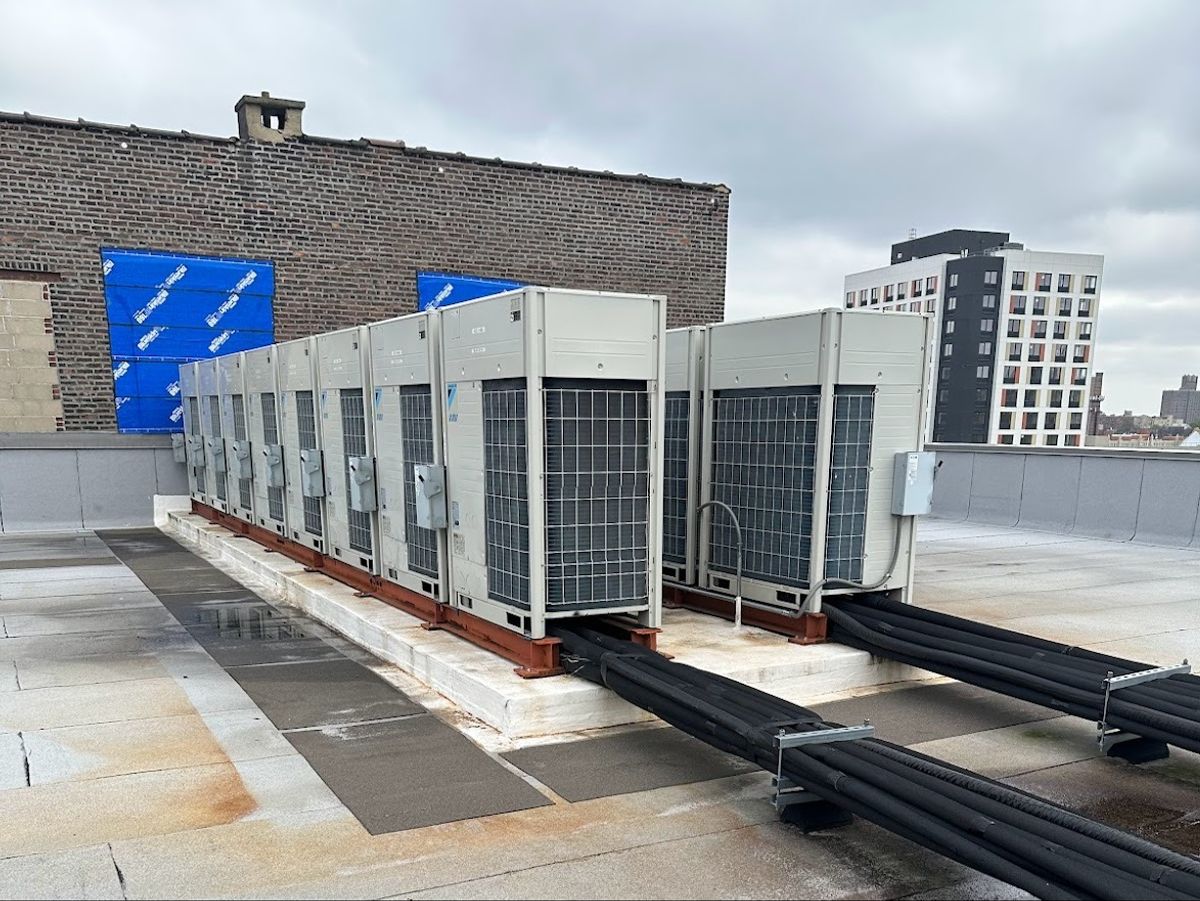
The 5 Refrigerants You Need to Know

  1. R-22 (Freon) — PHASED OUT — Production and import banned since January 2020. Only reclaimed R-22 is available, and prices have surged from $10/lb to $50–$150/lb. If your chiller runs on R-22, every recharge is more expensive than the last. Plan your replacement now — not when the next leak forces an emergency decision.
  2. R-134a — CURRENT BUT DECLINING — The workhorse of medium-pressure centrifugal chillers for the past 30 years. GWP of 1,430 means it faces increasing regulatory pressure. Still legal and available, but new installations are increasingly choosing lower-GWP alternatives. If your system runs well on R-134a, no immediate action needed — but plan for transition at next major overhaul.
  3. R-410A — CURRENT, RESTRICTIONS COMING — Standard for residential and light commercial systems (split systems, rooftop units). GWP of 2,088 — higher than R-134a — means it’s first in line for phase-down under the AIM Act. New production equipment must use alternatives by 2025. Existing systems can continue operating and be recharged.
  4. R-513A — NEXT GENERATION — A near-drop-in replacement for R-134a with 56% lower GWP (631 vs 1,430). Same performance, same operating pressures, minimal system modifications needed. This is what most new centrifugal chiller installations are specifying today. If you’re replacing an R-134a chiller, R-513A is the straightforward choice.
  5. R-1233zd / R-1234ze — ULTRA-LOW GWP — HFO refrigerants with GWP under 7 (compared to 1,430 for R-134a). The future of large commercial chillers. Require purpose-built equipment — no retrofit path from existing systems. Best for new construction or complete chiller replacement where 20+ year regulatory stability is a priority.
R-22 Is Already Gone

If your chiller still uses R-22, you’re operating on borrowed time. Reclaimed R-22 prices have increased 400%+ since the 2020 ban, and availability shrinks every year. A single major leak can cost $5,000–$15,000 just for the refrigerant recharge — before repair costs. Every dollar spent on R-22 recharges is money that could go toward a modern, efficient replacement.

REFRIGERANT COST PER POUND

What You’ll Pay to Recharge

R-22 (reclaimed only)$50–$150/lb
R-410A$8–$25/lb
R-134a$5–$18/lb
R-513A$6–$20/lb

* NYC metro area pricing, 2026. R-22 available as reclaimed only. Prices fluctuate with supply.

EPA Regulations & the AIM Act Timeline

The American Innovation and Manufacturing (AIM) Act mandates an 85% reduction in HFC production by 2036. Here’s the timeline that affects your building:

  • 2020 — R-22 production and import fully banned
  • 2025 — New residential/commercial AC equipment must use alternatives to R-410A
  • 2028–2029 — Further restrictions on high-GWP refrigerants in new commercial equipment
  • 2036 — 85% total reduction in HFC production and consumption vs. 2011–2013 baseline

NYC adds its own layer: Local Law 97 sets carbon emission caps for buildings over 25,000 sq ft. Since refrigerant leaks count toward your building’s carbon footprint, high-GWP refrigerants carry a double penalty — both the direct cost of leaked refrigerant and the compliance cost of exceeding your emissions cap.

Every chiller replacement decision made today should assume a 20-year regulatory horizon. Choosing a low-GWP refrigerant now avoids a forced mid-life conversion that can cost 2–3x more than doing it right the first time.

Retrofit or Replace?

Retrofit to New Refrigerant
Lower upfront cost ($15,000–$40,000)
Keeps existing equipment
1–2 week downtime
May lose 5–10% efficiency vs. purpose-built
Best for systems under 12 years old
Limited to compatible refrigerant options
Full Chiller Replacement
Higher upfront cost ($50,000–$200,000+)
Brand new equipment with warranty
2–6 week lead time + installation
Peak efficiency with latest technology
Best for systems 15+ years old
Any refrigerant, including ultra-low GWP
Start Planning 2–3 Years Early

Chiller replacement projects typically take 6–12 months from specification to commissioning. Add engineering, permitting, and NYC DOB approvals, and you’re looking at 12–18 months total. Start evaluating your options 2–3 years before your current system reaches end-of-life. A proactive maintenance program buys you the time to plan instead of react.

Building Your Refrigerant Transition Plan

Whether you’re managing one building or a portfolio, here’s the approach that minimizes disruption and cost:

  1. Audit your current inventory — Document every chiller: make, model, age, refrigerant type, charge size, and leak history
  2. Prioritize by risk — R-22 systems first, then high-leak-rate systems, then systems approaching 15+ years
  3. Model the economics — Compare 10-year total cost of ownership: refrigerant recharges + energy + maintenance vs. new equipment
  4. Choose the right refrigerant — Balance current cost against 20-year regulatory stability. R-513A is the safe middle ground; HFOs are the long-term play
  5. Schedule during low-demand season — Fall or spring, when temporary cooling isn’t needed and contractor availability is best

CHILLER REFRIGERANT

Frequently Asked Questions

Find answers to common questions about our HVAC, plumbing, and refrigeration services.

Only reclaimed R-22 is available since the 2020 production ban. Prices range from $50–$150/lb and continue rising as supply shrinks. You can legally recharge an existing R-22 system, but every recharge makes the case for replacement stronger financially.

For centrifugal chillers, R-513A or R-1233zd are the leading options. R-513A offers near-drop-in compatibility with existing R-134a systems. For R-22 systems specifically, a full replacement is usually more cost-effective than retrofit, since the operating pressures and oil requirements differ significantly.

A commercial chiller replacement typically costs $50,000–$200,000+ depending on capacity (50–1,000+ tons), refrigerant choice, and installation complexity. NYC projects often include structural work, rigging, and DOB permitting that add 15–25% to base equipment costs.

Yes. LL97 sets carbon emission caps for buildings over 25,000 sq ft. Refrigerant leaks from high-GWP systems count toward your building’s emissions total. Switching to a low-GWP refrigerant reduces your compliance risk and potential fines, which start at $268 per metric ton of CO2 equivalent over your cap.

Well-maintained centrifugal chillers last 25–30 years. Screw and scroll chillers typically last 15–20 years. However, regulatory phase-outs may force replacement before mechanical end-of-life. A chiller that’s 15 years old and running on R-22 is mechanically sound but economically and regulatorily obsolete.

Limited Availability

Need Help Planning Your Refrigerant Transition?

Our commercial HVAC engineers will audit your current chiller systems, model transition costs, and design a phased replacement plan that minimizes downtime and maximizes regulatory compliance.

Alex Weber

Marketing and Sales dept