
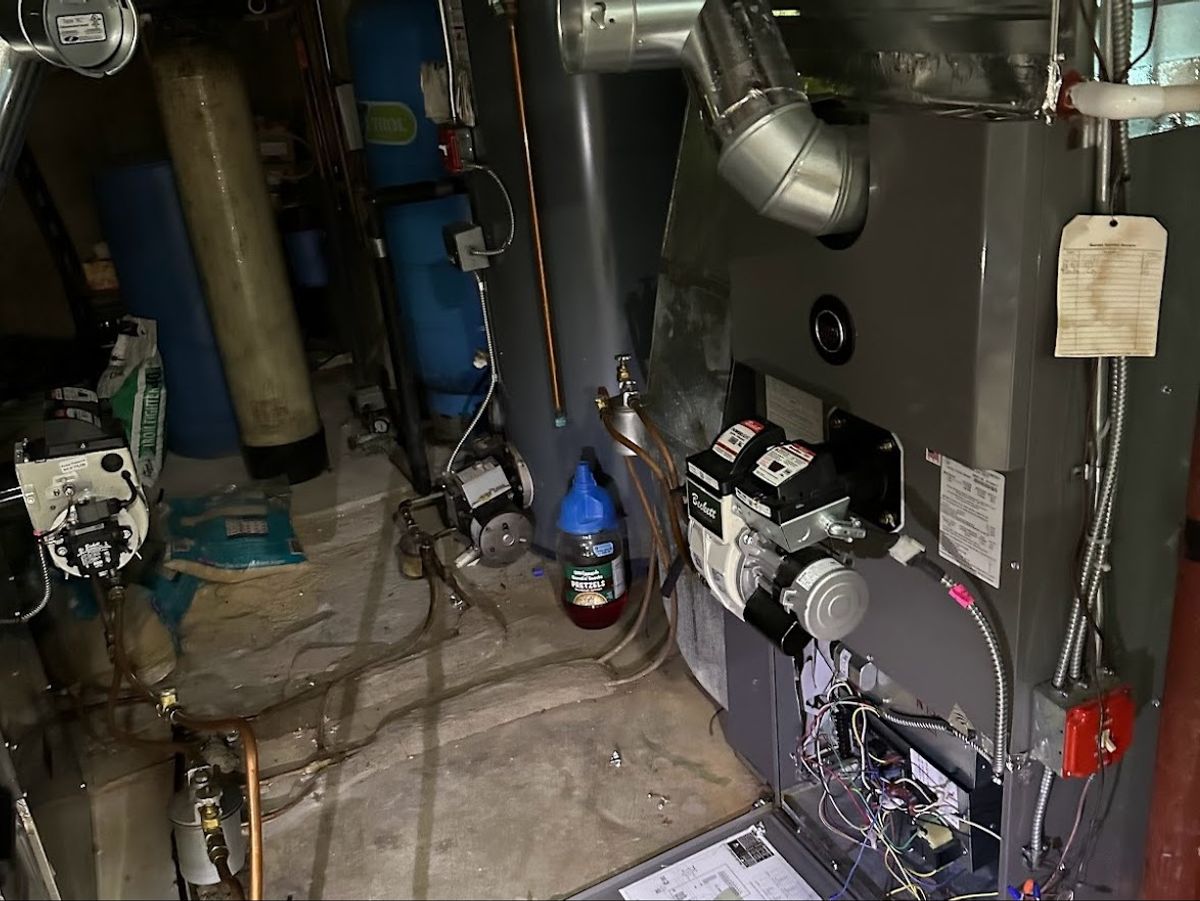
Electric furnace heating element
Back to Blog HVAC TIPS

Understanding Your Electric Furnace: The Sequencer Explained

Apr 6, 2026 10 min read Alex Weber
Quick Read

This article covers:

  • What a sequencer does and why your furnace needs one
  • How the sequencer prevents electrical overload
  • 4 signs your sequencer is failing
  • DIY troubleshooting vs. when to call a pro
  • Replacement costs and what to expect

Estimated read time: 5 minutes.

If you have an electric furnace, there’s a small component inside that most homeowners have never heard of — but it’s responsible for keeping your entire heating system from tripping the breaker every time it turns on. It’s called the sequencer, and when it fails, your furnace either won’t heat at all, heats only partially, or draws so much power it overwhelms your electrical panel.

An electric furnace uses multiple heating elements (typically 3–5 elements at 5,000 watts each). If all of them turned on simultaneously, they’d draw 75–100+ amps — enough to trip the breaker or even damage your home’s wiring. The sequencer solves this by turning on each element one at a time, with a 15–30 second delay between each.

Understanding this simple but critical component helps you diagnose heating problems faster and know whether you’re looking at a $50 DIY fix or a $300 professional repair.
How the Sequencer Works: Step by Step

When your thermostat calls for heat, here’s what happens inside your electric furnace:

  1. Thermostat signals the sequencer — Low-voltage (24V) signal from the thermostat activates the first stage of the sequencer
  2. First heating element activates — The sequencer’s internal bimetallic strip heats up and closes the first set of contacts, powering the first element
  3. Timed delay (15–30 seconds) — The heat from the first heater warms the next bimetallic strip, which closes the second set of contacts
  4. Elements activate in sequence — Each element turns on with a delay, spreading the electrical load over 60–90 seconds instead of hitting all at once
  5. Shutdown reverses the process — When the thermostat is satisfied, elements turn off in reverse order, again staggering the electrical change
Think of the sequencer as a traffic light for electricity. Instead of all cars (heating elements) hitting the intersection at once, it lets them through one at a time — preventing a pileup on your electrical system.
Warning Sign #01

Only Some Rooms Are Getting Warm

If your furnace blows warm air but can’t reach the thermostat setpoint, one or more heating elements may not be activating. A failed sequencer stage leaves its associated heating element permanently off — reducing your furnace’s heating capacity by 20–33% per failed element.

Check supply air temperature at the vent closest to the furnace
Normal: 20–30°F warmer than room temperature
If only 10–15°F warmer, elements are likely not all firing
Multiple stages failing = barely warm air
Warning Sign #02

Furnace Trips the Circuit Breaker

If the furnace breaker trips when the heat comes on, the sequencer may have failed in the “closed” position — meaning multiple elements are trying to activate simultaneously. This draws more current than the circuit can handle.

A 20kW electric furnace draws 83 amps at full load
Sequencer failure can dump this entire load at once
Repeated breaker trips = do not keep resetting
Call a technician — this is an electrical safety issue
Warning Sign #03

Clicking Sounds Without Heat

You hear the sequencer clicking (the bimetallic strips opening and closing) but no heat follows. This usually means the sequencer is receiving the thermostat signal and attempting to activate, but the contacts are worn, pitted, or corroded and can’t pass current to the heating elements.

Clicking = sequencer is receiving signal (good)
No heat after clicking = contacts are failed (bad)
Age-related wear is the most common cause
Sequencer replacement: $50–$150 for the part
Warning Sign #04

Furnace Runs Continuously Without Reaching Setpoint

If your furnace runs non-stop but the house never reaches the desired temperature, the sequencer may be only activating 1–2 of your 3–5 heating elements. The furnace “works” but at a fraction of its designed capacity.

Electric furnaces are sized for the home’s heat loss
Losing 1 of 4 elements = 25% capacity reduction
On very cold days, this means the system can’t keep up
Energy waste: running all day at partial capacity costs more than full cycles
Electrical Safety Warning

Electric furnaces operate on 240V circuits drawing 60–100+ amps. This is enough to cause fatal electrocution. Always turn off the furnace at the breaker panel AND verify power is off with a voltmeter before touching any wiring. If you’re not comfortable working with high-voltage electrical systems, call a licensed HVAC technician.

ELECTRIC FURNACE REPAIR COSTS

What Sequencer Problems Cost to Fix

Sequencer Part Only (DIY)$25–$75
Sequencer Replacement (Pro)$150–$300
Heating Element Replacement$200–$400
Complete Furnace Replacement$2,000–$4,000

* Parts + labor, NYC metro area. DIY saves labor but requires electrical knowledge.

DIY or Call a Pro?

DIY-Friendly Tasks
Checking thermostat settings and batteries
Inspecting the air filter
Listening for sequencer clicks
Checking the breaker panel
Identifying the sequencer model for ordering
Call a Licensed Technician
Testing sequencer with a multimeter
Replacing the sequencer or heating elements
Any work inside the furnace cabinet
Breaker tripping repeatedly
Diagnosing electrical wiring issues

Keeping Your Electric Furnace Running Right

Electric furnaces are relatively low-maintenance compared to gas, but they still need annual professional attention:

  • Replace air filters every 1–3 months — Restricted airflow causes elements to overheat and reduces sequencer lifespan
  • Test each heating stage annually — A technician verifies each sequencer stage activates and each element draws proper current
  • Inspect electrical connections — Loose wire connections create hot spots and accelerate sequencer contact wear
  • Clean the blower and housing — Dust buildup on elements reduces efficiency and can cause burning smells at startup

If your electric furnace is 15+ years old and needing repairs, consider upgrading to a heat pump — it provides both heating and cooling at 2–4x the efficiency of electric resistance heating, potentially cutting your heating costs by 50–70%.

Electric furnaces are the most expensive way to heat a home — roughly 3x the cost per BTU compared to gas or heat pumps. If yours needs a major repair, the math often favors upgrading to a heat pump that pays back the difference through energy savings.

ELECTRIC FURNACE

Frequently Asked Questions

Find answers to common questions about our HVAC, plumbing, and refrigeration services.

It staggers the activation of heating elements so they turn on one at a time instead of all at once. This prevents the massive electrical surge that would trip your circuit breaker. Think of it as a traffic controller for your furnace’s power consumption.

The part itself costs $25–$75. With professional installation, expect $150–$300 total. It’s one of the more affordable furnace repairs. If your technician quotes $500+, get a second opinion — or consider whether a system upgrade makes more sense.

Typically 10–15 years under normal use. Heavy use, frequent cycling, and restricted airflow (dirty filters) shorten lifespan. If your furnace is 12+ years old and the sequencer fails, check the heating elements and electrical connections too — they age together.

Only if you’re experienced with 240V electrical work. The process involves working inside the furnace cabinet with high-voltage wiring. You must turn off the breaker AND verify power is off with a voltmeter. If you’re not confident with electrical systems, this is a job for a licensed technician.

Yes — significantly. Electric resistance heating costs roughly 3x more per BTU than natural gas in NYC. A heat pump is the most cost-effective electric heating option, delivering 2–4x more heat per dollar of electricity than a furnace’s resistance elements.

Limited Availability

Electric Furnace Not Heating Properly?

Don’t shiver through another cold night. Our certified technicians will diagnose whether it’s a sequencer, element, or electrical issue — and get your heat back on fast.

Alex Weber

Marketing and Sales dept