
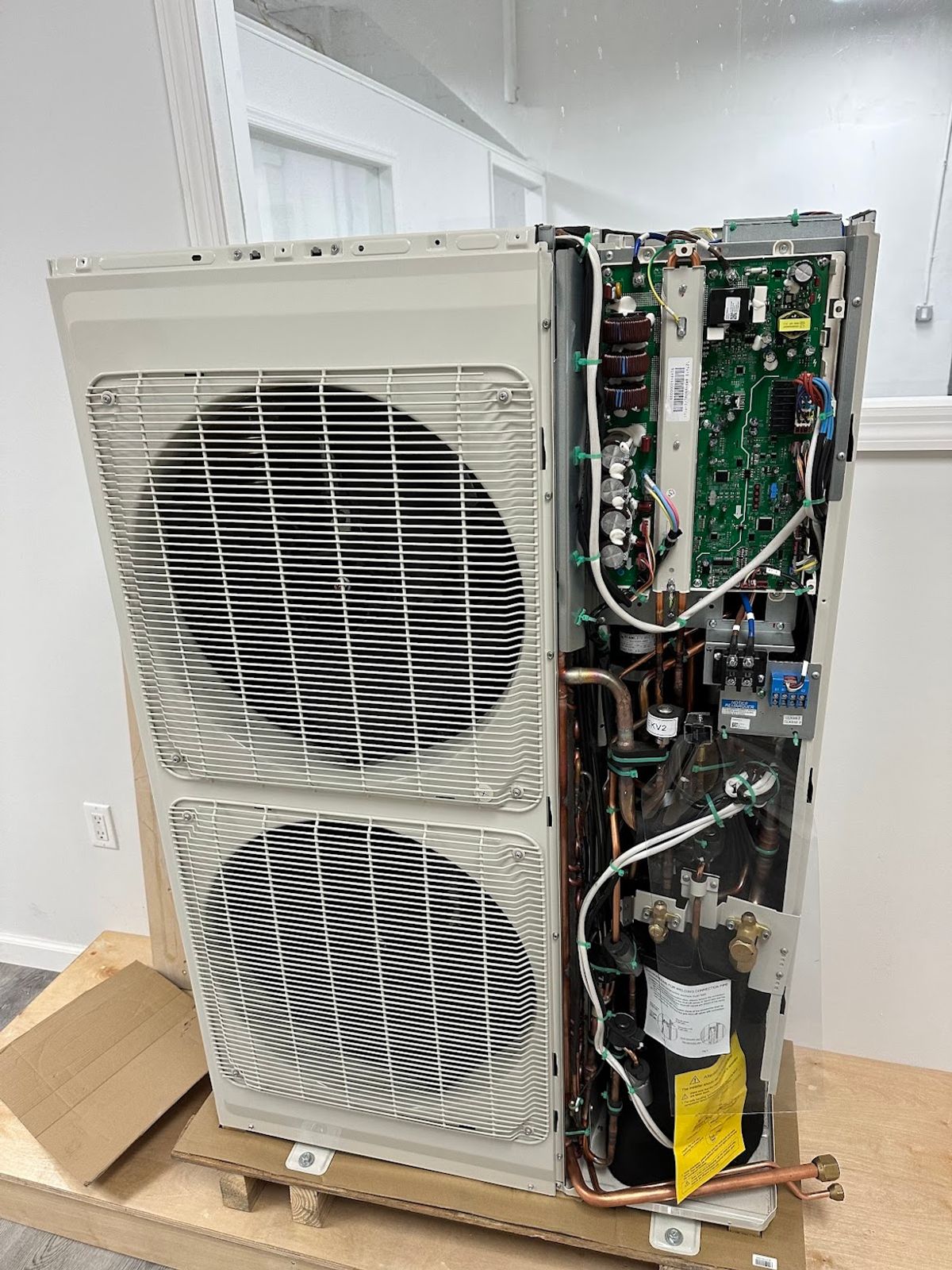
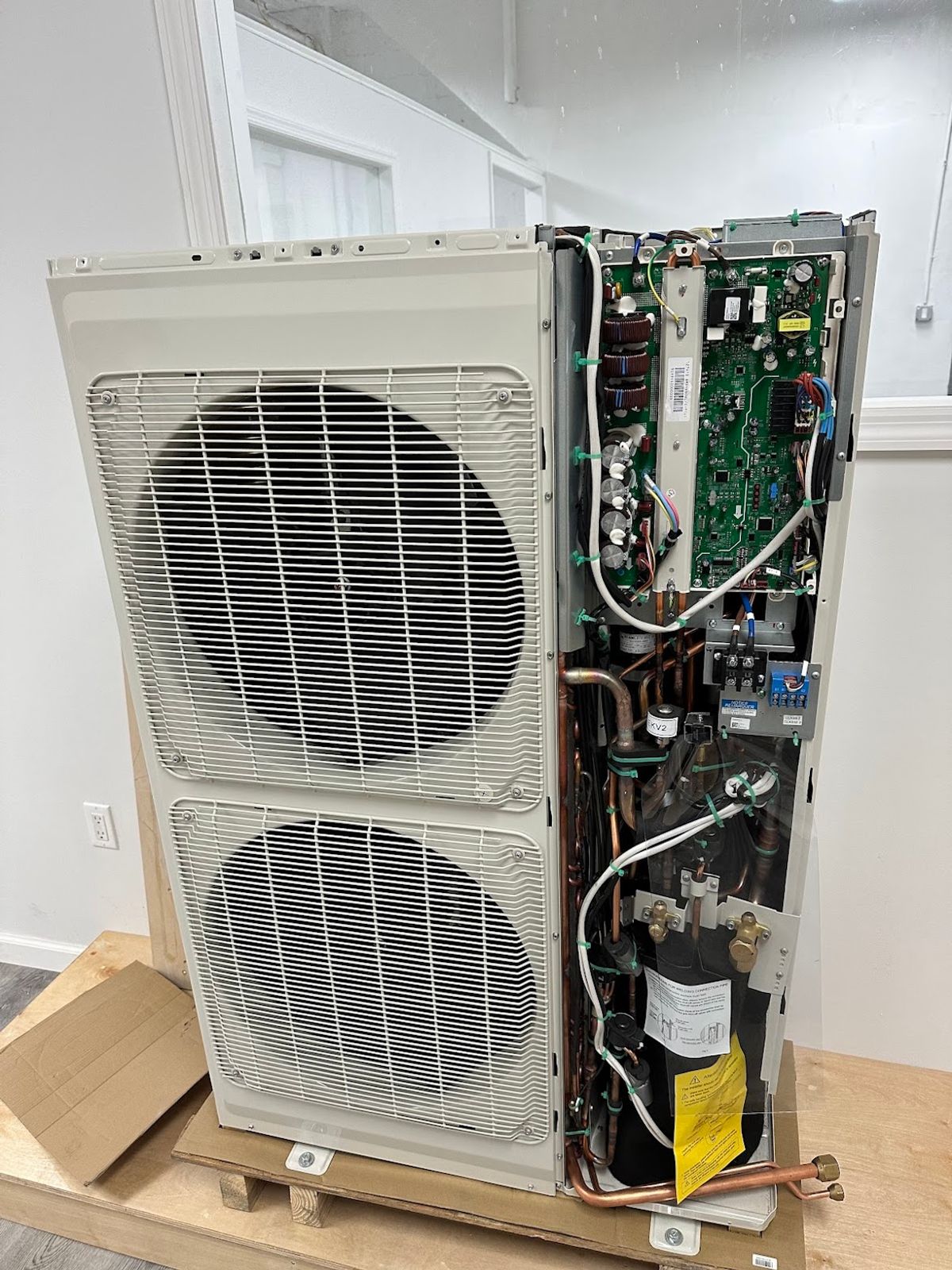
Heat pump installation in progress
Back to Blog HVAC TIPS

How Long Does Heat Pump Installation Take?

Apr 8, 2026 10 min read Alex Weber
Quick Read

This article covers:

  • Typical installation timelines by system type (1–3 days)
  • 6 factors that affect how long your installation takes
  • What happens before, during, and after installation day
  • How to prepare your home for a smooth, fast install
  • What can delay your project — and how to avoid it

Estimated read time: 5 minutes.

You’ve decided to install a heat pump — now the practical question: how long will it take? How many days will you be without heating or cooling? Do you need to take time off work?

The short answer: most residential heat pump installations take 1–3 days. A straightforward replacement of an existing system can be done in a single day. New installations that require ductwork modifications, electrical upgrades, or complex multi-zone configurations may take 2–3 days.

Here’s a detailed breakdown of what affects the timeline, what happens on each day, and how to prepare for the smoothest possible installation.
INSTALLATION TIMELINE BY SYSTEM TYPE

How Long Each Type of Installation Takes

Straight Replacement (same type)1 day
Ductless Mini-Split (2–3 zones)1–2 days
Ducted Heat Pump + Duct Mods2–3 days
Full System + New Ductwork3–5 days

* Timelines assume permits and equipment are ready. Add 1–2 weeks for NYC permit processing if required.

Warning Sign #01

Replacement vs. New Installation

Replacing an existing system using the same ductwork and electrical connections is the fastest scenario — typically completed in a single day. Installing a heat pump where none existed before requires new refrigerant lines, electrical circuits, and possibly ductwork.

Straight replacement (AC → heat pump, same ducts): 4–8 hours
New ducted system where none existed: 2–3 days
Conversion from furnace to heat pump: 1–2 days
Add ductwork installation: +1–2 days
Warning Sign #02

Ductless vs. Ducted System

Ductless mini-splits are faster to install because they don’t require ductwork — just a small hole through the wall for refrigerant lines. Each indoor unit takes 2–3 hours. Ducted systems require connecting to existing ductwork or installing new runs.

Single ductless indoor unit: 2–3 hours
3-zone ductless system: 1 full day
Ducted heat pump to existing ducts: 6–8 hours
Ducted system + duct modifications: 1.5–3 days
Warning Sign #03

Electrical Panel Capacity

Heat pumps require a dedicated 240V circuit. If your electrical panel is full or undersized, an electrician needs to upgrade the panel or add a subpanel before installation can begin. This can add a half-day to a full day to the project.

Most homes built after 2000: panel is adequate
Older homes with 100A panels: may need upgrade to 200A
Panel upgrade: $1,500–$3,000 and 4–8 hours
Schedule electrical work before heat pump installation day
Warning Sign #04

Refrigerant Line Length and Routing

The distance between outdoor and indoor units affects installation time. Short, straight runs through accessible walls take 30–60 minutes. Long runs through attics, crawlspaces, or multi-story walls require more time for routing, insulation, and brazing.

Standard residential run (15–25 ft): 30–60 minutes
Long run or multi-story routing (30–50 ft): 1–2 hours
Maximum line length varies by manufacturer (50–200+ ft)
Line hide covers for exterior runs add 30–60 minutes
Warning Sign #05

NYC Permits and Inspections

NYC DOB requires permits for certain HVAC installations, particularly in multi-family buildings and historic districts. Permit processing adds 1–2 weeks of wait time before work begins. The installation itself doesn’t take longer, but the total project timeline extends.

Single-family: often exempt from DOB permit
Multi-family / co-op / condo: usually requires permit
Historic districts: may require Landmarks Preservation review
Your contractor should handle all permit applications
Warning Sign #06

Season and Contractor Availability

Peak installation demand is June–August (cooling) and November–January (heating). During these periods, lead times for scheduling can be 2–4 weeks. Off-season installation (spring and fall) typically offers faster scheduling and sometimes lower pricing.

Peak season lead time: 2–4 weeks to schedule
Off-season: often available within 1 week
Equipment availability: usually 3–5 business days
Best time to install: March–May or September–October

What Happens on Installation Day

Here’s a typical timeline for a standard residential heat pump installation:

  1. Morning (8–10 AM): Removal and prep — Old equipment disconnected and removed, area prepared for new equipment, concrete pad installed or verified for outdoor unit
  2. Mid-morning (10 AM–12 PM): Equipment placement — Outdoor unit positioned and secured, indoor unit(s) mounted, refrigerant lines routed and connected
  3. Afternoon (12–3 PM): Electrical and controls — Electrical wiring connected, thermostat installed, condensate drain routed, system pressure-tested for leaks
  4. Late afternoon (3–5 PM): Commissioning — Refrigerant charged, system started and tested in both heating and cooling modes, airflow and temperature verified, homeowner walkthrough and thermostat training
How to Prepare for a Smooth Install

Clear a 5-foot path to the indoor unit location and 3 feet around the outdoor unit location. Move furniture, rugs, and valuables away from work areas. Pets should be secured in a separate room. Ensure the installer has access to your electrical panel. These simple steps can save 30–60 minutes of installation time.

Peak Season vs. Off-Season?

Off-Season Install (Spring/Fall)
Schedule within 1 week
Flexible date selection
Sometimes lower pricing
No rush — thorough commissioning
Test both heating AND cooling modes
Best overall experience
Peak Season Install (Summer/Winter)
2–4 week wait to schedule
Limited date options
Standard or premium pricing
Higher demand = busier crews
May only test one mode at install
Higher stress from being without AC/heat

What to Expect After Installation

Your new heat pump should deliver immediate comfort improvement, but keep these points in mind:

  • Allow 24–48 hours for settling — The system’s compressor oil needs to stabilize, and you may notice slight odors from new components (normal, dissipates quickly)
  • Register your warranty — Most manufacturers require online registration within 60–90 days for full warranty coverage (10 years parts, 5–7 years compressor typical)
  • Schedule first maintenance at 6 monthsA professional check after the first full season verifies refrigerant charge, electrical connections, and system performance
  • Learn your thermostat — Heat pumps work differently from furnaces. They deliver lower-temperature air for longer periods rather than short blasts of very hot air. This is normal and more efficient.
The best time to install a heat pump is before you need it urgently. Plan your installation in spring or fall when contractors are available, pricing is best, and you can test both heating and cooling modes before peak season.

HEAT PUMP INSTALLATION

Frequently Asked Questions

Find answers to common questions about our HVAC, plumbing, and refrigeration services.

Most residential installations take 1–3 days. A straight replacement (swapping an existing AC for a heat pump using the same ductwork) typically takes 1 day. New ductless mini-split systems take 1–2 days. Projects requiring new ductwork or electrical upgrades may take 3–5 days.

Yes, for part or all of installation day. The old system must be disconnected before the new one goes in. For single-day installations, you’ll typically have heat or cooling by end of day. Plan accordingly — avoid scheduling during extreme heat waves or cold snaps if possible.

It depends on the building type. Single-family homes are often exempt. Multi-family buildings, co-ops, and condos typically require NYC DOB permits. Historic districts may need Landmarks Preservation approval. Your contractor should handle all permit applications and know the requirements.

Spring (March–May) and fall (September–October) are ideal. Contractors are less busy, scheduling is faster (1 week vs. 2–4 weeks in peak season), and you can test both heating and cooling modes immediately. Some contractors offer off-season pricing discounts.

Residential heat pump installation typically costs $7,000–$14,000 depending on system type, capacity, and complexity. Ductless mini-splits run $3,000–$5,000 per zone. The $2,000 federal tax credit and $500–$1,500 in state/utility rebates can significantly reduce the effective cost.

Limited Availability

Ready to Schedule Your Heat Pump Installation?

Get a free in-home estimate with a timeline customized to your home. We’ll assess your space, recommend the right system, and schedule installation at a time that works for you — with no surprises on installation day.

Alex Weber

Marketing and Sales dept