
5 Signs Your AC Unit Needs Repair Guide by Art HVAC NYC Licensed Emergency AC Repair Commercial Contractor Experts
Back to Blog HVAC TIPS

5 Signs Your AC Needs Repair — Warning Signs You Should Not Ignore

Mar 15, 2026 10 min read Alex Weber
Quick Read

This article covers:

  • The 5 most common warning signs your AC is failing
  • Which sounds, smells, and symptoms signal an emergency
  • DIY checks you can do before calling a technician
  • Typical repair costs by issue type
  • When repair makes sense vs. when to consider replacement

Estimated read time: 5 minutes.

New York summers don’t negotiate. When your air conditioner starts acting up in July, you need answers fast — not a complete breakdown at 2 AM with a $500 emergency surcharge on top.

The good news? Most AC failures don’t happen overnight. Your system almost always gives you warning signs days or weeks before a major breakdown. Recognizing these signals early means the difference between a $150 tune-up and a $2,000+ emergency repair — or worse, a full system replacement in the middle of peak season.

Here are the five most common signs that your AC needs professional attention, what’s likely causing each one, and exactly what to do about it.
Warning Sign #01

Unusual or Loud Noises

Your AC should run quietly — a low, steady hum is normal. But grinding, squealing, banging, or buzzing sounds signal mechanical problems that get worse and more expensive with every cycle.

Grinding = worn bearings in the blower motor ($150–$400 repair)
Squealing = loose or deteriorating fan belt ($100–$250)
Banging = loose or broken internal component ($200–$600)
Buzzing = electrical issue or failing contactor ($150–$350)
Warning Sign #02

Weak, Warm, or Uneven Airflow

If your AC is running but certain rooms won’t cool down, or the air from vents feels weak or warm, the problem could range from a $5 filter to a failing compressor. Start with the simplest fix first.

First check: dirty air filter (replace every 1–3 months)
Frozen evaporator coil — turn off system, let it thaw, call a tech
Low refrigerant = likely a leak that needs professional repair
Blocked or leaky ductwork reducing airflow to specific rooms
Warning Sign #03

Frequent Short-Cycling

Your AC should run in cycles of 15–20 minutes. If it’s turning on and off every 5–10 minutes, something is forcing premature shutdowns — wasting energy and wearing out the compressor far faster than normal.

Oversized unit cooling too fast (common after incorrect installation)
Dirty condenser coils causing overheating and auto-shutdown
Low refrigerant triggering the pressure safety switch
Faulty thermostat reading incorrect temperatures
Warning Sign #04

Strange Smells from Vents

Your AC should produce no odor at all. Any distinct smell from the vents indicates a problem that shouldn’t be ignored — some are active health hazards requiring immediate action.

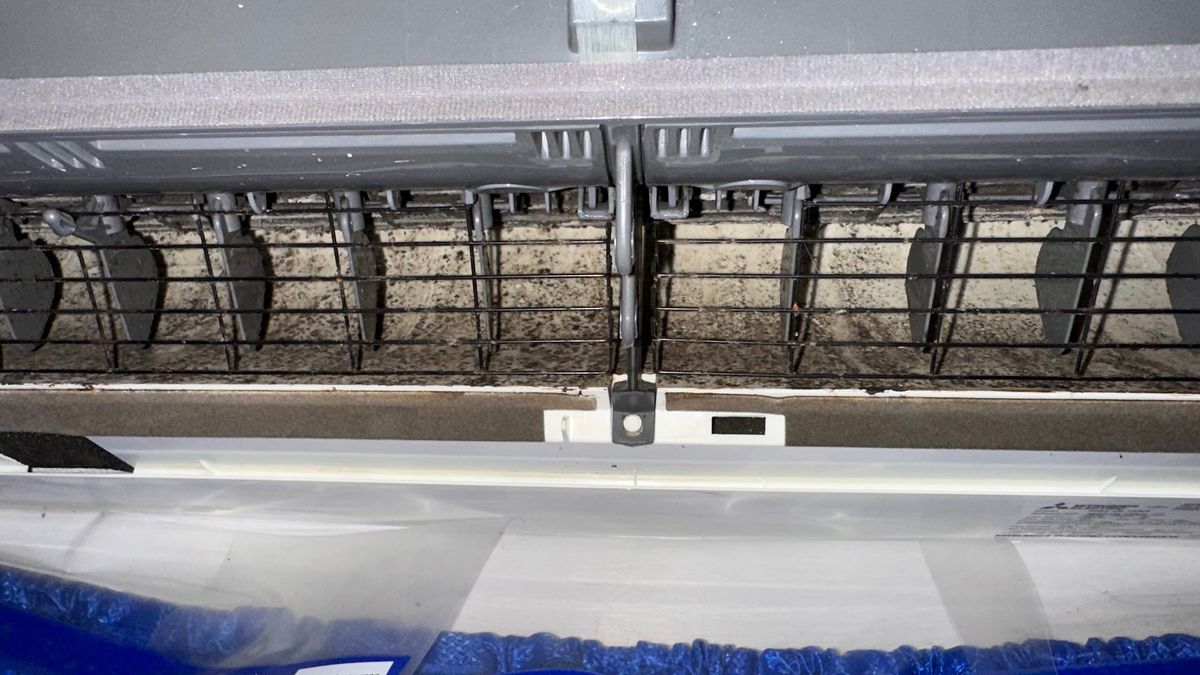
Musty/moldy = microbial growth inside unit or ducts (health risk)
Burning/electrical = overheating wire or motor (fire risk — turn off immediately)
Chemical/sweet = possible refrigerant leak (health risk)
Rotten egg = dead animal in ductwork or gas leak (evacuate if gas)
Warning Sign #05

Rising Energy Bills Without Increased Usage

If your electric bill jumped 20–30% compared to the same month last year but your habits haven’t changed, your AC is working harder than it should to produce the same result. This efficiency loss only gets worse over time.

Compare year-over-year utility bills for the same months
A well-maintained system loses only 1–2% efficiency per year
A 15%+ efficiency drop signals a problem worth diagnosing
A professional tune-up can often restore 10–15% of lost efficiency
When to Shut Off Immediately

If you smell burning, see smoke, hear loud metallic crashing, or notice water pooling around your indoor unit — turn off the system at the breaker immediately and call for emergency service. These situations can cause electrical fires, water damage, or compressor failure if the system continues running.

What You Can Check Before Calling a Pro

Before picking up the phone, run through these quick checks — you might solve the problem yourself in 5 minutes:

  • Replace the air filter — 80% of “weak airflow” service calls turn out to be a dirty filter
  • Check the thermostat — verify batteries, settings (“cool” not “fan only”), and temperature setpoint
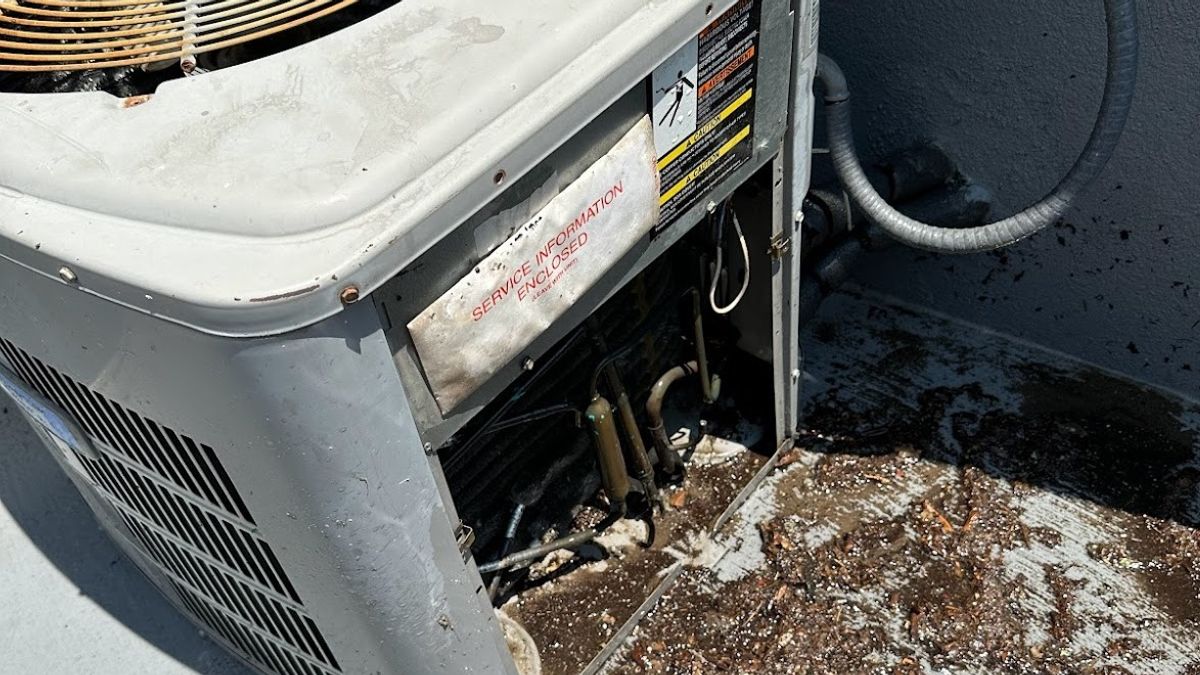
  • Inspect the outdoor unit — clear any debris, leaves, or overgrown plants within 2 feet
  • Check the circuit breaker — a tripped breaker is a common cause of “AC won’t turn on” calls
  • Clear the condensate drain line — a clogged line can trigger auto-shutdown on many modern units

If the problem persists after these checks, it’s time for professional diagnostics.

TYPICAL AC REPAIR COSTS

What Common Repairs Actually Cost

Filter Replacement (DIY)$15
Tune-Up / Diagnostic$150
Refrigerant Recharge$250–$500
Compressor Replacement$1,500–$2,500

* NYC metro area pricing. Emergency/after-hours service typically adds $100–$200 to base cost.

Should You Repair or Replace?

Repair Makes Sense
System is under 10 years old
First or second major repair
Uses modern R-410A refrigerant
Repair cost under $1,500
System otherwise runs efficiently
Consider Replacing
System is 12+ years old
3rd+ repair this year
Uses R-22 refrigerant (phased out)
Repair cost exceeds $2,000
Energy bills climbing despite repairs
Prevention Is 80% of the Solution

Regular maintenance prevents up to 80% of AC breakdowns. A $150 annual tune-up catches small issues before they become $1,000+ emergencies — and keeps your warranty valid. Ask about our preventive maintenance plans.

When to Call a Professional

Not every AC issue is an emergency, but ignoring problems always costs more in the long run. Here’s a simple priority guide:

  • Call within 24 hours — unusual noises, warm airflow, or short-cycling
  • Call immediately — burning smells, water leaks, or complete system failure
  • Schedule annuallyroutine maintenance in spring, before cooling season begins

Early intervention typically costs 50–70% less than waiting for a full breakdown. Most repairs can be completed in a single visit — often the same day you call.

The most expensive AC repair is the one you put off until it becomes a replacement.

AC REPAIR QUESTIONS

Frequently Asked Questions

Find answers to common questions about our HVAC, plumbing, and refrigeration services.

Most common repairs run $150–$500. Filter changes and tune-ups are at the low end ($15–$150), refrigerant recharges cost $250–$500, and compressor replacements $1,500–$2,500. Emergency after-hours service typically adds $100–$200 to the base cost.

At minimum, once per year — ideally in spring before cooling season begins. If your system is over 10 years old or you have pets, consider twice-yearly service. Regular maintenance can extend your system’s lifespan by 5–8 years.

Simple tasks like replacing the air filter, clearing debris from the outdoor unit, and unclogging the condensate drain are safe DIY jobs. But anything involving refrigerant, electrical wiring, or internal components requires a licensed HVAC technician — both for safety and to preserve your warranty.

Most common repairs (filter, capacitor, contactor, fan motor) are completed in 1–2 hours during a single visit. Compressor replacement or refrigerant leak repair may take 3–5 hours. Same-day emergency service is available for critical failures.

Apply the 50% rule: if a single repair costs more than 50% of a new system’s price, replacement is the smarter investment. Also consider replacement if your system is 12+ years old, uses R-22 refrigerant, or has needed 3+ repairs in the past year.

Limited Availability

AC Acting Up? We Can Help.

Don’t wait for a complete breakdown. Schedule a same-day diagnostic with our certified technicians — we’ll identify the problem, explain your options, and fix it right the first time.

Alex Weber