

Long Island's HVAC reality: thirteen towns, three climates, and a lot of oil
Long Island is not one market. Western Nassau is dense and suburban, central Suffolk is post-war tract housing, the North Shore is large estates, and the East End is summer rentals and farms. The typical home was built between 1950 and 1990, has a full basement, oil or gas heat, and central AC bolted on later. Here is how we approach each Long Island building type — and what to ask for in your specific home.
1. Post-war ranches and split-levels (Levittown, Hicksville, Massapequa, Wantagh, Bethpage)
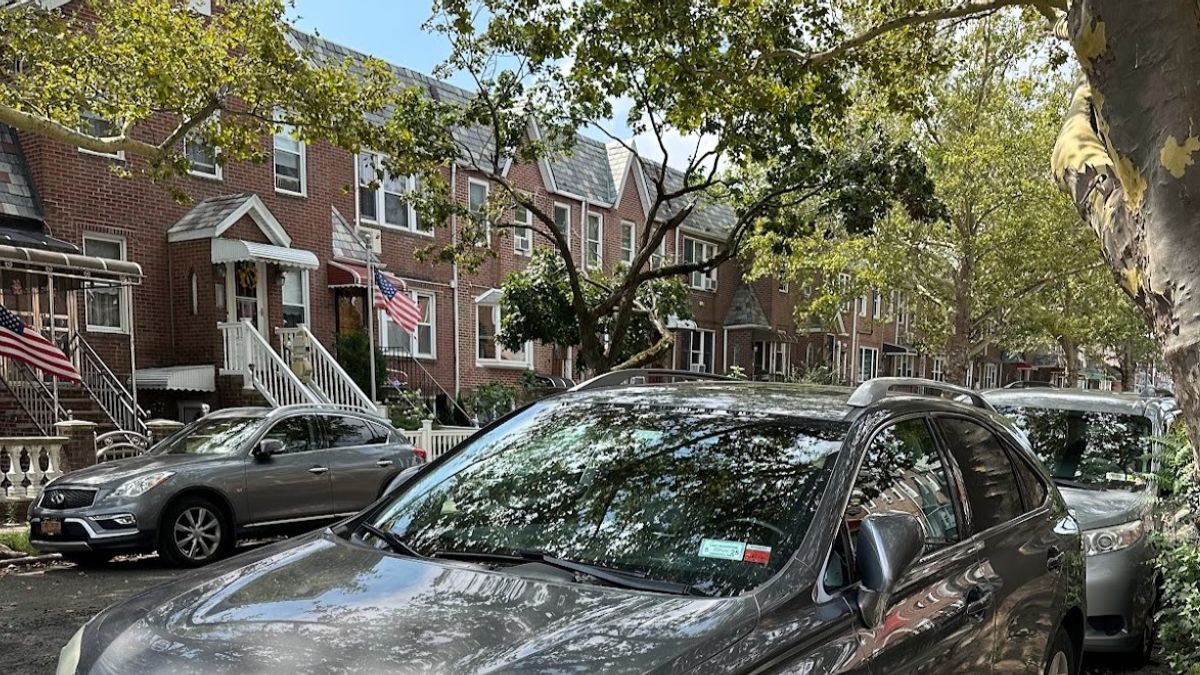
Built 1947–1965. Originally oil-fired hot air or hydronic baseboard, with central AC retrofitted in the 1980s and 90s. Common upgrades: heat pump conversion (whole-home; PSEG Long Island heat pump rebates may apply), or a high-efficiency gas furnace + new AC pair if gas is already at the meter. Watch for old, oversized supply trunks in the basement — we right-size new equipment to actual heat-loss calcs, not the existing nameplate.
2. Cape Cod and colonial homes (Garden City, Rockville Centre, Babylon, Bay Shore, Smithtown)
Built 1920s–1960s. Two stories, knee walls, narrow chases, and rarely enough room for a full second-floor duct system. Most were retrofitted with a single ducted system and a high-velocity bypass — and the second floor never cools well in August. Right answer here is usually a hybrid: keep the gas furnace + AC for the main floor, add a 2- or 3-zone ductless head set upstairs. Quiet, efficient, and the upstairs is finally usable.
3. North Shore estates (Manhasset, Sands Point, Lloyd Harbor, Centre Island, Cold Spring Harbor)
Built 1900s–present. Large square footage, multiple wings, often pool houses and guest cottages on the same property. VRV/VRF is the right answer for whole-property control: one outdoor system per wing, every room individually zoned, and a single service contract covering everything. We work with house managers, schedule around the family calendar, and provide consolidated billing across multiple buildings on one estate.
4. South Shore and waterfront homes (Long Beach, Atlantic Beach, Bay Shore, Patchogue, Westhampton)
Salt-air corrosion is the silent killer of South Shore HVAC equipment — outdoor condensers oceanfront typically last 6–8 years vs 12–15 inland. We spec coated coils, stainless fasteners, and elevated platforms above flood-zone elevations (post-Sandy code requires this in V- and AE-zones). Annual coil washes are non-negotiable for waterfront warranties to hold.
5. Hamptons summer homes (Southampton, Bridgehampton, East Hampton, Sag Harbor, Montauk)
Light-use most of the year, full-load Memorial Day through Labor Day. Oversized systems are the wrong move — short-cycling is what kills equipment in low-use applications. Modulating heat pumps or VRV are ideal: high turndown, dehumidification on shoulder season, and quiet operation that does not wake guests in the next room. We schedule pre-season commissioning every May and post-season decommissioning in October.
6. New construction (active subdivisions in Riverhead, Calverton, Yaphank, Brookhaven)
Most production builders default to single-stage gas furnace + 13 SEER AC — the legal minimum. We retrofit those systems with variable-speed heat pumps before the first energy bill arrives, and the upgrade often pays for itself in 6–8 years. New construction may also qualify for PSEG Long Island heat pump rebates — confirm the program rules before final CO.
7. Commercial spaces (Main Street retail, office parks, restaurants, light industrial)
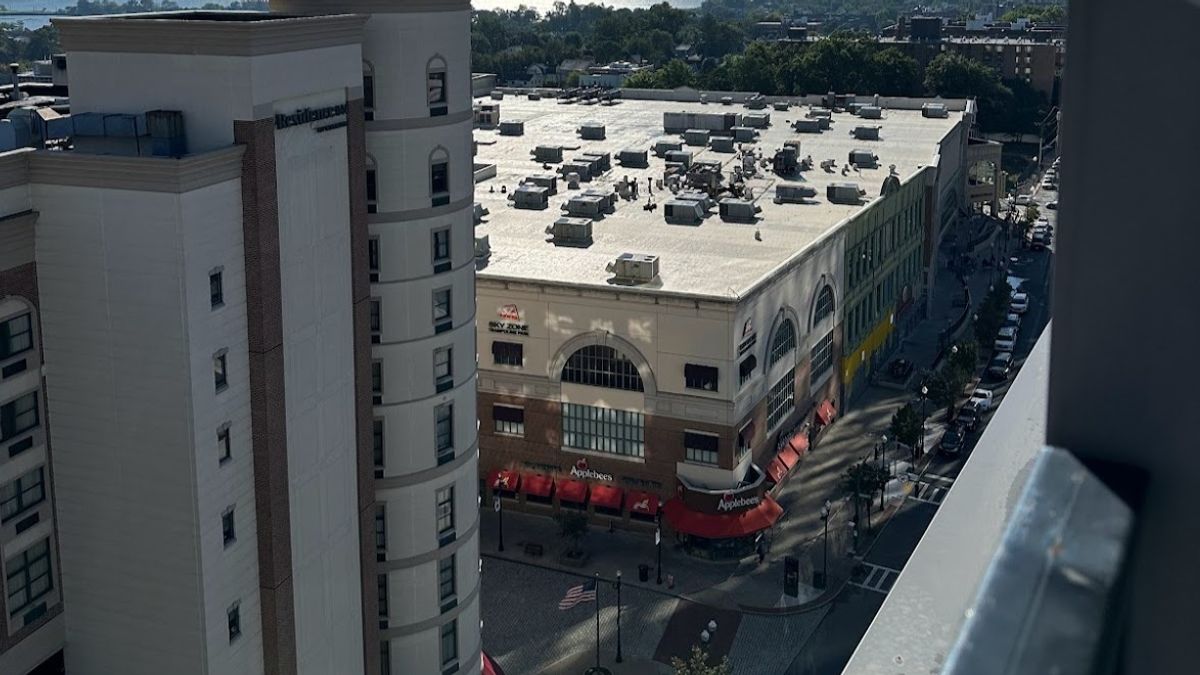
Long Island commercial runs on rooftop package units (most retail and office), split systems (smaller suites and converted homes), and central VRF in newer Class A. Restaurants are everywhere on Long Island — and they all need refrigeration, kitchen exhaust, and makeup air to pass town fire-marshal inspection. We handle every type, with town-specific permit submissions, and your lease often dictates who pays for what — which we lay out in the quote.