
Duct Inspection, Leak Testing & Air Quality Analysis
in NYC
You cannot fix what you cannot see. Our camera inspection, pressure testing, and air quality analysis reveal hidden leaks, blockages, mold, and design flaws inside your ductwork — so you stop guessing and start solving.
Camera & Video Inspection
Pressure Leak Testing
4.9★ on Google
Detailed Written Report
Something is wrong but nobody can find the problem
Your HVAC system checks out fine, your filters are clean, but rooms still do not get comfortable and your energy bills keep climbing. The answer is almost always hiding inside the ductwork.
AC works, rooms still hot
The unit checks out fine, but cool air never reaches the far rooms — the trouble is inside your ducts.
Bills that make no sense
High-efficiency system, sky-high bills — leaky ducts quietly waste 25-40% of your conditioned air.
Musty smells, more allergies
Mold, dust, and debris hiding in your ducts get pushed through every room each time the system runs.
Don't buy a system blind
Before spending $15K on a new unit, check that your ductwork can actually deliver the air it makes.
INSPECTION SERVICES
See Inside Your Ducts with Precision
We use professional diagnostic equipment — not guesswork — to map exactly what is happening inside your duct system and deliver actionable findings.
Camera & Video Duct Inspection
See What Is Really Inside
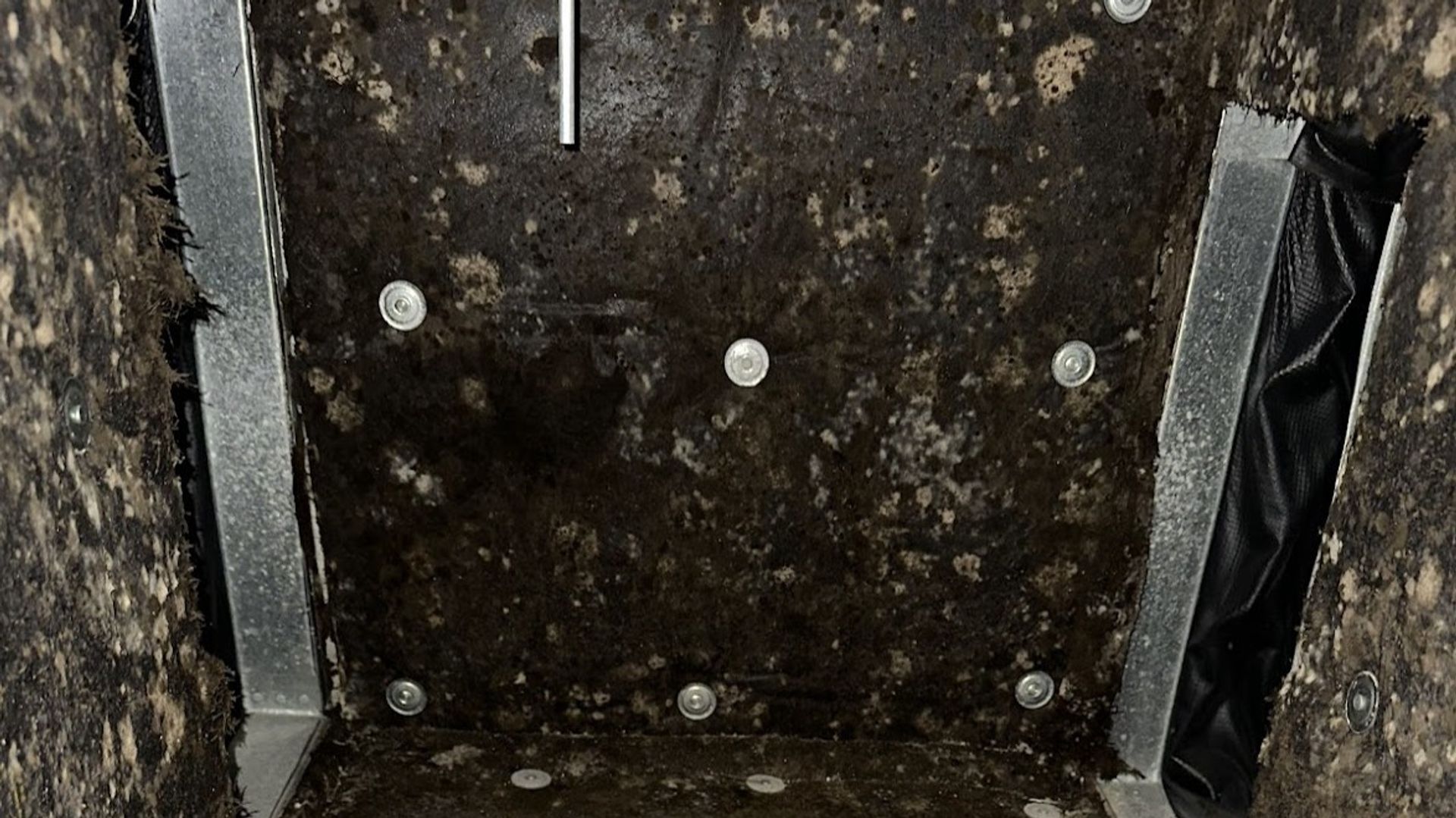
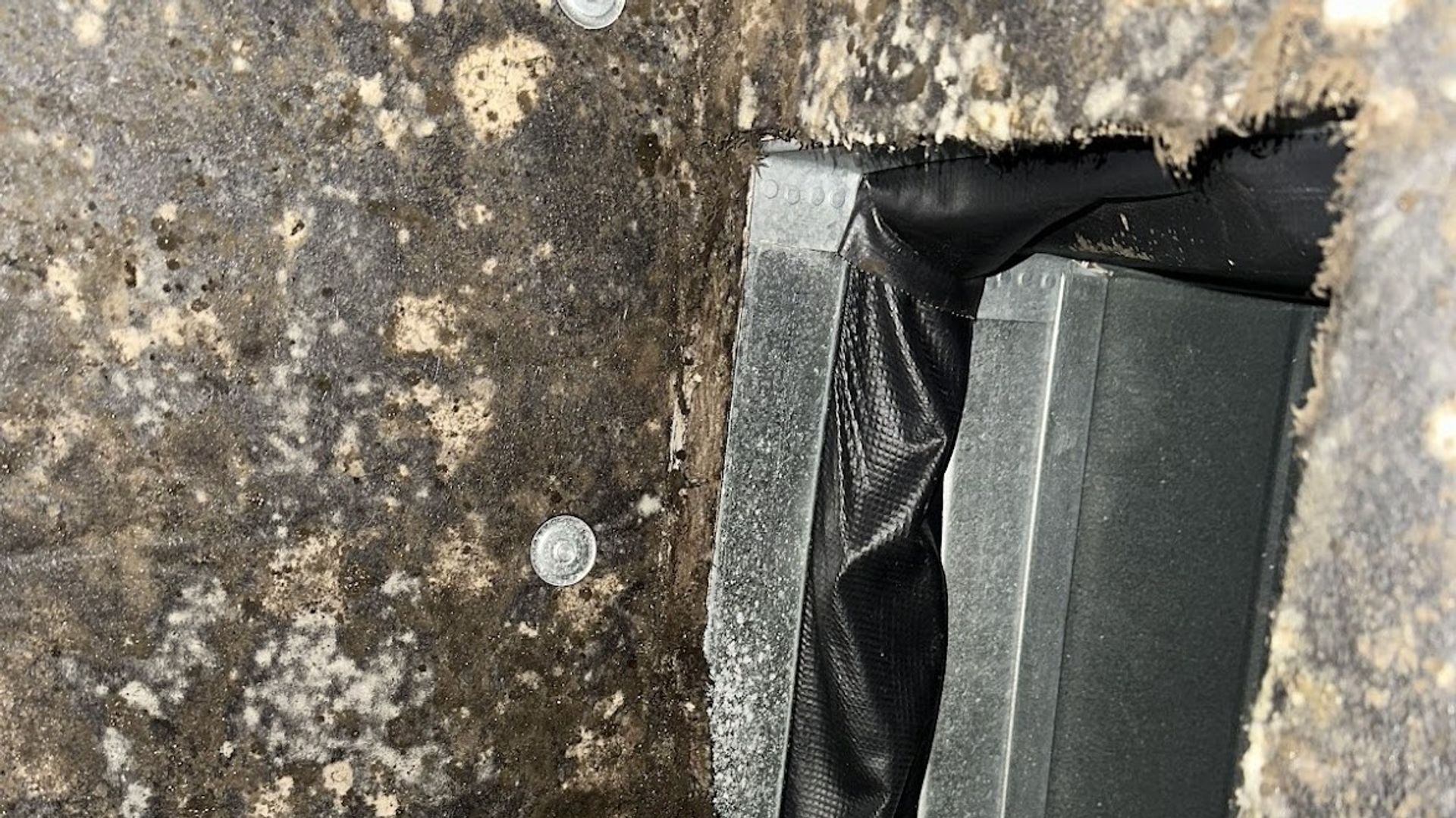
We insert a high-resolution camera into your ductwork and record everything — crushed sections, disconnected joints, mold growth, debris buildup, rodent damage, and construction leftovers. You see the footage and get a detailed written report with photos.
Duct Leakage & Pressure Testing
Quantify Exactly How Much Air You Lose
We seal your duct system and pressurize it with calibrated equipment to measure total leakage as a percentage of airflow. This tells you precisely how much conditioned air — and money — you are losing through joints, connections, and gaps.
Duct Air Quality Analysis
Test What You Are Breathing
We sample air from inside your ductwork and at your registers to test for mold spores, particulate levels, and allergens. Combined with visual inspection, this tells you exactly whether your ducts are making you sick.
PROFESSIONAL EQUIPMENT
Inspections Powered by Pro-Grade Tools
We invest in the same diagnostic equipment used by HVAC engineers and building inspectors. No flashlights-and-mirrors guesswork — only calibrated, professional-grade instruments that deliver reliable, quantifiable results.

See temperature differences through walls

Industry-standard pressurization

HD duct and pipe cameras

Precision airflow measurement

CO2, humidity, and particle testing

Refrigerant and combustion gas leak detection
CLIENT TESTIMONIALS
What Our Clients Found with ART HVAC
Real inspections. Real discoveries. Real savings.
HOW IT WORKS
From Unknown to Understood
A thorough duct inspection turns guesswork into a clear action plan — with data, photos, and prioritized recommendations.
Schedule Your Inspection
Tell us about your concerns — comfort issues, high bills, odors, or pre-purchase evaluation. We schedule a visit within the week.
Comprehensive Inspection
Our technician inspects your ductwork using camera, pressure testing, airflow measurement, and thermal imaging as needed. Every finding is documented with photos and data.
Detailed Report
You receive a written report with photos, leakage data, identified issues, and prioritized recommendations — what to fix now, what can wait, and what it will cost.
Fix or Plan
Minor issues can often be fixed on the spot. For larger repairs, we provide a detailed quote. Either way, you now have a clear picture and a plan — no more guessing.
SERVICE AREA
Areas We Serve
Proudly serving all five NYC boroughs and surrounding areas.
Brooklyn
Manhattan
Queens
Bronx
Staten Island
Long Island
Call us — we likely serve your neighborhood too.
FAQ
Questions We Hear Every Day
Practical answers about duct inspection services.
How to seal HVAC ducts properly means using mastic sealant — a brushable, fiberglass-reinforced compound — at every joint, seam, and collar connection, not standard duct tape, which fails within a few years. Foil-backed tape meeting UL 181 is acceptable for minor seams. Pressurized duct leakage testing before and after confirms the work actually reduced leakage. In NYC buildings, accessible ducts in mechanical rooms seal straightforwardly; ducts buried in walls require camera inspection to locate the worst leaks.
A duct inspection in an occupied apartment typically starts with a visual check of all accessible registers, grilles, and duct connections, followed by a camera scan through the supply and return trunk lines. Technicians use a pressure pan test or a blower-door assisted duct leakage test to quantify how much conditioned air is escaping before it reaches the rooms. The process is non-invasive and usually completed in two to four hours without moving furniture or opening walls.
Common signs that a duct system needs attention include rooms that are noticeably hotter or colder than the thermostat setting, high energy bills despite a functioning heating and cooling system, visible dust accumulation around supply registers, or a musty odor that follows air distribution patterns. In NYC co-ops and condos, uneven comfort complaints across units served by a shared air handler are a strong signal that duct leakage or blockage is redistributing airflow.
NYC's Energy Conservation Code and Local Law 97 compliance pathways increasingly require documented duct leakage testing for commercial renovation projects above certain square-footage thresholds. New commercial HVAC installations typically need a DOB permit and a licensed mechanical engineer's sign-off. For existing buildings seeking Local Law 97 carbon emission reductions, a verified duct inspection report can support the building's benchmarking submission and demonstrate system efficiency improvements.
Research consistently shows that leaky duct systems waste 20–30% of conditioned air before it reaches occupied rooms, forcing the heating and cooling equipment to run longer cycles to compensate. In a typical NYC brownstone conversion with older galvanized ductwork, leakage rates of 25–35% are not unusual. Sealing ducts identified during inspection commonly reduces heating and cooling energy use by 15–20%, often more in buildings where the ductwork runs through unconditioned basement or shaft spaces.
Still have questions? Contact us
Stop Guessing.
Start Knowing..
Book a Professional Duct Inspection.
Our technicians will inspect your ductwork with camera, pressure testing, and airflow analysis — then deliver a clear report with photos, data, and prioritized recommendations. No guesswork, no pressure.