
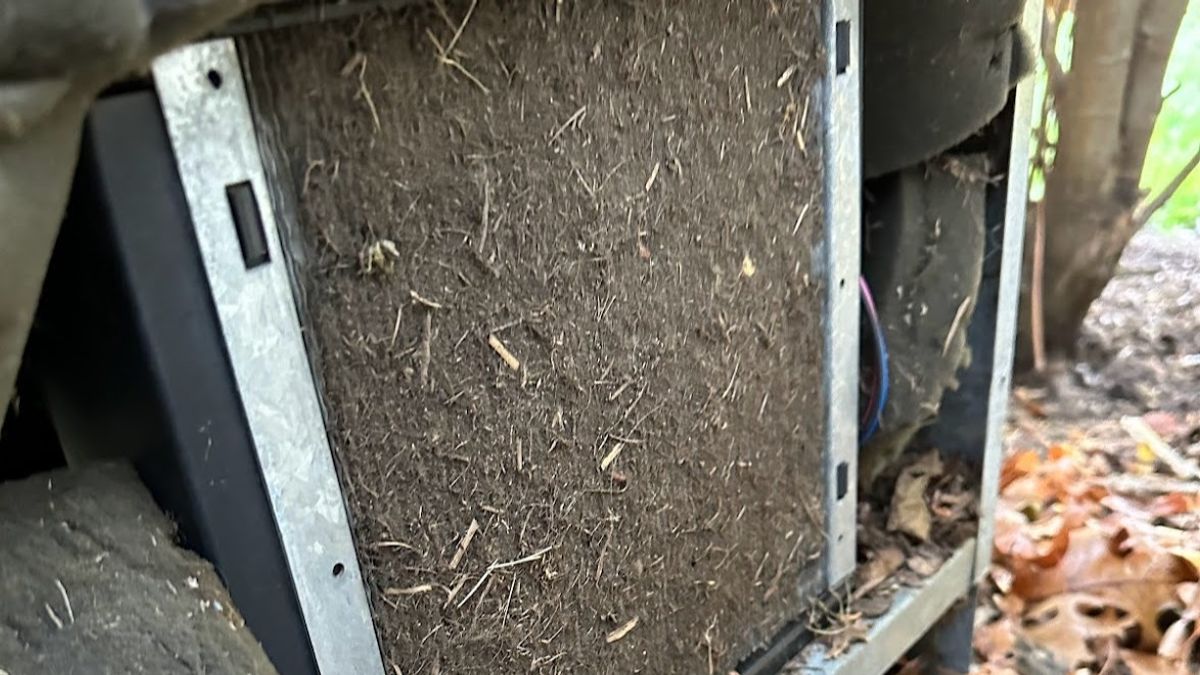
HVAC air filter replacement
Back to Blog HOME MAINTENANCE

Clean HVAC Filters: 7 Things Facility Managers Should Know

Apr 14, 2026 7 min read Alex Weber
Quick Read

This article covers:

  • Why filter selection matters more than filter replacement frequency
  • MERV ratings explained: what each level actually filters (and costs)
  • The #1 filter mistake that causes $3,000+ in HVAC repairs
  • How to build a filter replacement schedule by building type
  • Filter upgrades that improve air quality without increasing energy costs

Estimated read time: 5 minutes.

Ask most facility managers about HVAC filters and you'll get a straightforward answer: "We change them every three months." But the filter sitting in your air handler right now is doing far more than catching dust. It's the first line of defense for your HVAC equipment, your occupants' health, and your energy budget — and most buildings are getting it wrong in ways that cost thousands per year.

The wrong filter — too restrictive, too loose, wrong size, or changed too late — creates a cascade of problems: higher energy bills, premature equipment failure, poor indoor air quality, and occupant complaints that eat up your time. Here are seven things every facility manager needs to know to get HVAC filtration right.
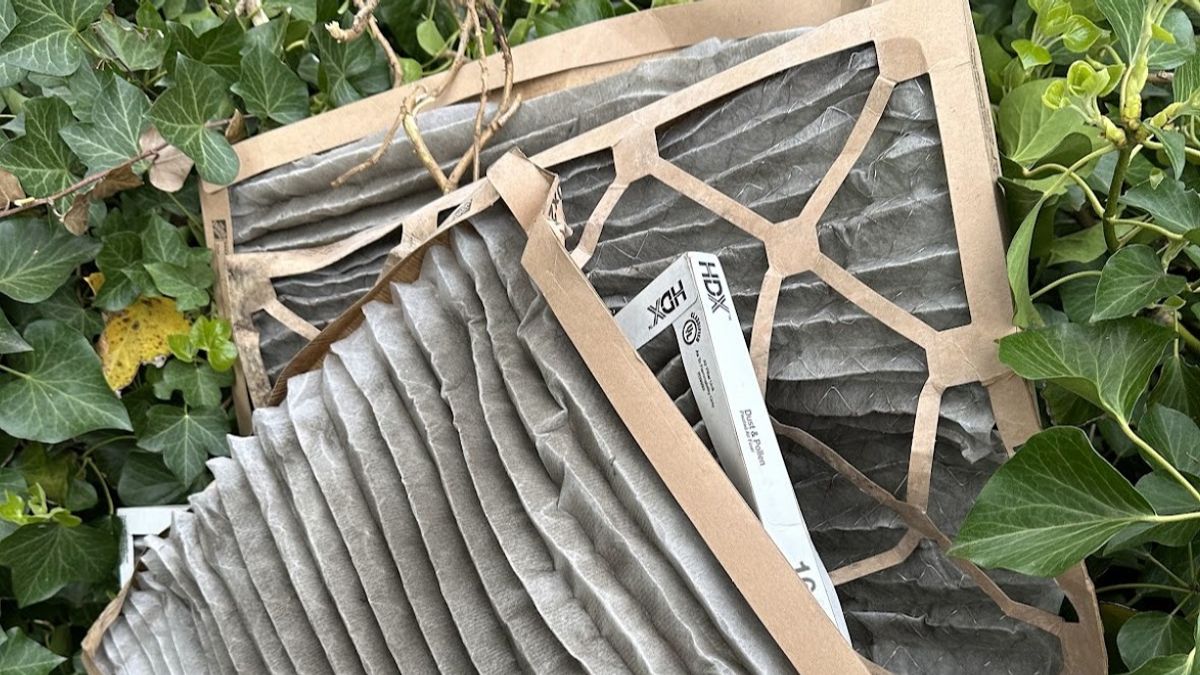
Warning Sign #01

1. MERV Rating Is Not ‘Higher Is Better’

MERV (Minimum Efficiency Reporting Value) ranges from 1 to 20. Higher MERV means finer filtration — but also more airflow restriction. Installing a MERV 13 filter in a system designed for MERV 8 can reduce airflow by 20–30%, causing frozen coils, compressor strain, and comfort complaints. Match the filter to your system's design, not to the highest MERV available.

MERV 1–4: Basic residential (pollen, dust mites)
MERV 5–8: Standard commercial (mold spores, dust)
MERV 9–12: Superior commercial (fine dust, Legionella)
MERV 13–16: Hospital/lab grade (bacteria, droplet nuclei)
Always check your HVAC manufacturer’s maximum MERV spec before upgrading
Warning Sign #02

2. A Clogged Filter Costs More Than a New HVAC System

A severely clogged filter restricts airflow to the point where the evaporator coil freezes. The compressor then works against abnormal pressures, overheating and eventually seizing. Compressor replacement costs $2,000–$6,000 for commercial systems. A $15–50 filter changed on time prevents this entirely.

Clogged filters increase energy consumption by 15–25%
A $50/month filter budget prevents $3,000+ in compressor repairs
Restricted airflow causes evaporator coil icing within 2–4 weeks
Frozen coils damage the compressor within 1–3 freeze cycles
The most expensive HVAC repair starts with the cheapest part
Warning Sign #03

3. Filter Size Matters More Than You Think

A filter that doesn't fit the frame perfectly allows unfiltered air to bypass around the edges. This bypass air carries particles directly to the coil, fouling it faster than having no filter at all (because the partial filter creates static pressure that drives more air around the gap). Even 1/4-inch gaps can allow 30–50% of air to bypass the filter.

Measure the filter slot exactly — don’t trust the old filter’s label
Gaps as small as 1/4 inch allow significant air bypass
Custom-cut filters cost only $5–10 more than standard sizes
Filter gaskets or foam tape seal minor gaps
If filters keep falling or bowing, the rack may need replacement
Warning Sign #04

4. Replacement Frequency Depends on Your Building, Not the Calendar

The standard “change every 90 days” advice is a starting point, not a rule. A medical office near a construction site may need monthly changes. A lightly occupied office in a clean suburban area might stretch to 4 months. Base your schedule on actual filter condition, not arbitrary intervals.

Restaurants/kitchens: every 30–45 days (grease + particulates)
Medical/dental offices: every 30–60 days (infection control)
Standard offices: every 60–90 days
Retail with high foot traffic: every 45–60 days
Storage/warehouse: every 90–120 days
Check filters monthly and adjust schedule based on actual loading
Warning Sign #05

5. Cheap Filters Are the Most Expensive Choice

Fiberglass panel filters ($2–5 each) capture only 20% of particles and offer almost no protection for the evaporator coil. Pleated filters ($8–20 each) capture 60–95% of particles and pay for themselves in reduced coil cleaning costs. The $15 difference per filter saves $200–$400 per year in coil cleaning and energy waste.

Fiberglass: MERV 1–4, captures 20% of particles, $2–5 each
Pleated: MERV 8–12, captures 60–95% of particles, $8–20 each
Mini-pleat (MERV 11–13): best balance of filtration + low pressure drop
Electrostatic: washable but inconsistent performance, not recommended
Always use pleated filters minimum for commercial HVAC systems
Warning Sign #06

6. Filter Pressure Drop Determines Your Energy Cost

Every filter creates resistance to airflow, measured in inches of water gauge (WG). A clean MERV 8 pleated filter creates about 0.25” WG. As it loads with particles, this rises to 0.5–1.0” WG. Every 0.1” WG increase costs approximately 2–3% more fan energy. Monitoring pressure drop — not just calendar days — tells you exactly when to change filters.

Install magnehelic gauges or differential pressure sensors across filters
Clean filter: 0.20–0.35” WG (typical MERV 8 pleated)
Change point: 0.50–0.75” WG (most manufacturers recommend)
Never exceed 1.0” WG — fan motor damage and coil icing risk
Pressure-based replacement saves 10–20% vs. calendar-based
Warning Sign #07

7. Post-COVID, Your Tenants Expect Better Filtration

ASHRAE now recommends MERV 13 or higher for commercial buildings where air handler design permits. Many tenants and employees now ask about building filtration as part of lease negotiations or return-to-office decisions. Upgrading filtration is no longer just maintenance — it's a competitive advantage for tenant retention.

ASHRAE 241-2023 sets minimum filtration for infection risk management
MERV 13 captures 85%+ of particles in the 1–3 micron range
Upgrade path: MERV 8 → MERV 11 → MERV 13 (verify system capacity at each step)
Combine filter upgrades with UV-C disinfection for layered protection
Document filtration specs for tenant communications and lease discussions
The Filter ROI Calculation

A 10-unit commercial building using MERV 8 pleated filters at $12 each, changed every 60 days, spends about $360/year on filters. Switching to fiberglass at $3 each would save $180/year in filter costs — but add $400–$800/year in additional coil cleaning and $300–$600/year in excess energy consumption. The “cheap” choice costs $500–$1,200 more per year. Quality filters are an investment with measurable returns.

ANNUAL FILTER COSTS PER HVAC UNIT

True Cost of Each Filter Strategy

Pleated MERV 8–11 (Recommended)$150–$280/yr
Mini-Pleat MERV 13 (Premium)$250–$450/yr
Fiberglass MERV 1–4 (Budget)$240–$420/yr total*
No Filter / Skipped Changes$800–$3,000+/yr

* Based on one commercial HVAC unit with bi-monthly filter changes. Includes filter cost, labor, additional coil cleaning, and energy impact.

Proper Filtration vs. Filter Neglect

Proper Filter Program (Recommended)
Energy costs stay within 5% of rated efficiency
Evaporator coils stay clean 2–3x longer between professional cleanings
Indoor air quality meets ASHRAE standards for occupant health
Equipment runs at designed pressures, extending compressor life
Tenant satisfaction — no dust, no odors, no complaints
Documented filtration program satisfies lease and compliance requirements
Neglected or Wrong Filters (Not Recommended)
Energy costs increase 15–25% from restricted or bypassing airflow
Coils foul rapidly, requiring $250–$600 cleaning every 6 months
Poor air quality triggers occupant complaints and potential liability
Compressor runs at elevated pressures, failing 5–8 years early
Dust accumulation visible on surfaces, damaging building reputation
No filtration records = compliance gaps and insurance exposure

Building a Filter Replacement Schedule That Actually Works

The best filter programs combine calendar-based schedules with condition-based monitoring. Here's how to set one up as part of your preventative HVAC maintenance program:

  1. Month 1: Baseline. Install new filters across all units. Record the initial pressure drop with a magnehelic gauge or manometer. This is your clean-filter baseline.
  2. Monthly: Check. Read the pressure drop. If it's doubled from baseline or exceeds 0.5” WG, change the filter regardless of calendar date.
  3. Calendar max: Replace. Even if the pressure drop hasn't reached the change point, replace filters at the calendar maximum for your building type (30–120 days depending on environment).
  4. Quarterly: Review. Analyze the data. If filters consistently load in 30 days but your schedule says 90, adjust the schedule. If they're still clean at 90 days, you might be able to extend to 120.

Keep a log of every filter change: date, pressure drop at removal, filter type, and unit served. This data — combined with periodic duct inspections — gives you the evidence to optimize your filtration program and defend your maintenance decisions to building owners.

The goal isn't to change filters as often as possible — it's to change them at exactly the right time. Too early wastes money on filters that still have capacity. Too late wastes money on energy, repairs, and air quality complaints.
Upgrading to MERV 13: When and How

Before upgrading to MERV 13 filters (now recommended by ASHRAE for most commercial buildings), verify your system can handle the additional pressure drop. Step 1: Check the AHU (air handling unit) fan capacity and static pressure budget in the equipment manual. Step 2: Install the MERV 13 filter and measure the actual pressure drop. Step 3: If the total system static pressure exceeds the fan's rated capacity, consider a mini-pleat MERV 13 (lower pressure drop than standard pleated) or upgrading the fan motor. Never just swap filters without checking — the energy penalty of an undersized fan fighting a high-MERV filter can exceed the air quality benefit.

HVAC FILTERS

Frequently Asked Questions

Find answers to common questions about our HVAC, plumbing, and refrigeration services.

It depends on your building type and environment. Restaurants and medical offices: every 30–60 days. Standard offices with moderate occupancy: every 60–90 days. Light-use spaces like storage areas: every 90–120 days. The best approach is to check pressure drop monthly and change when it doubles from the clean-filter baseline, regardless of calendar date.

MERV 8 is the minimum for commercial HVAC systems. MERV 11 is ideal for most office and retail environments — it captures fine dust, mold spores, and most allergens without excessive airflow restriction. MERV 13 is now recommended by ASHRAE for enhanced infection control, but verify your system's fan capacity can handle the additional pressure drop before upgrading.

Yes — in two ways. A filter that's too restrictive (too high MERV for your system) reduces airflow, causing evaporator coil freezing and compressor strain. A filter that's too loose (fiberglass or wrong size with gaps) allows particles to foul the coil directly, reducing efficiency and creating biological growth. Both scenarios can lead to repairs costing $1,000–$6,000. Match the filter to your system's specifications.

Generally not recommended for commercial applications. Washable electrostatic filters have inconsistent filtration efficiency (especially after multiple washes), require careful cleaning and complete drying to prevent mold, and typically perform at MERV 4–6 levels. The labor cost of washing and drying outweighs the filter savings. Disposable pleated filters at MERV 8–11 provide better, more consistent performance at a lower total cost.

Watch for these signs: reduced airflow from vents, longer run cycles to reach setpoint, ice formation on the evaporator coil, and increased noise from the blower fan working harder. Measure the static pressure across the filter — if a new filter creates more than 0.35” WG initial pressure drop, it may be too restrictive for your system. Check the AHU fan curve in your equipment manual for the maximum allowable external static pressure.

Limited Availability

Stop Guessing, Start Measuring — Optimize Your Filtration

We help facility managers build filter programs that protect equipment, improve air quality, and reduce operating costs. From MERV selection to pressure monitoring to quarterly maintenance — we'll design a filtration strategy that fits your building and budget.

Alex Weber

Marketing and Sales dept