Importance of Commercial Duct Cleaning Guide by Art HVAC NYC Licensed Commercial Ductwork and IAQ Contractor Team
Back to Blog HVAC TIPS

The Importance of Duct Cleaning & Inspection for Your NYC Home

Feb 1, 2026 8 min read Alex Weber
Quick Read

This article covers:

  • Why dirty ducts hurt air quality and energy bills
  • Warning signs your ducts need cleaning now
  • What professional duct cleaning actually involves
  • How often NYC homes and businesses should schedule cleaning
  • The connection between duct hygiene and HVAC system lifespan

Estimated read time: 5 minutes.

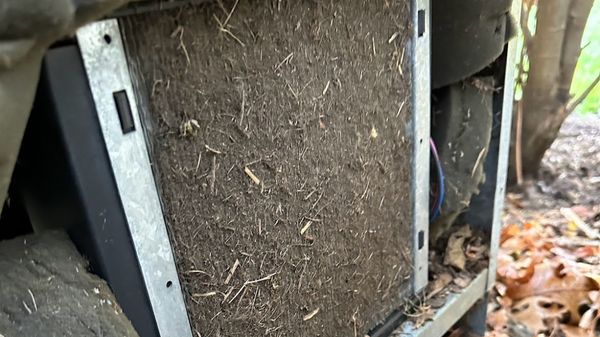
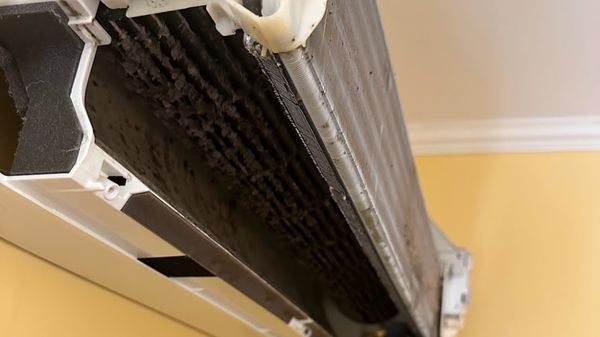
Your HVAC system pushes air through ductwork hundreds of times a day — and everything in those ducts comes along for the ride. Dust, pollen, pet dander, mold spores, and even construction debris accumulate over months and years, turning your duct system into a hidden reservoir of contaminants that circulate through every room in your home or office.

The EPA estimates that indoor air can be 2 to 5 times more polluted than outdoor air — and your ductwork is often the biggest contributor. For NYC buildings, where windows stay closed for months during winter and summer, this problem is amplified. Regular duct cleaning isn't just about comfort; it's about protecting your health, your equipment, and your wallet.
Why Duct Cleaning Matters More Than You Think

Most homeowners don't think about their ductwork until something goes visibly wrong — a musty smell, visible dust blowing from vents, or unexplained allergy symptoms. By that point, the problem has usually been building for years.

Air Quality Degradation

Every cycle of your HVAC system pushes accumulated particles back into your living space. Dust mites, mold spores, bacteria, and volatile organic compounds get trapped in ductwork and recirculated constantly. For families with asthma, allergies, or young children, this creates continuous low-level exposure that worsens symptoms over time.

Energy Waste and Higher Bills

The U.S. Department of Energy reports that 25 to 40 percent of HVAC energy is wasted due to contaminants in the system. Dirty ducts force your blower motor to work harder, reduce airflow, and make the system run longer cycles. In NYC, where energy costs are among the highest in the nation, even a 15 percent efficiency drop can add $300 to $500 to your annual utility bill.

Equipment Damage and Shortened Lifespan

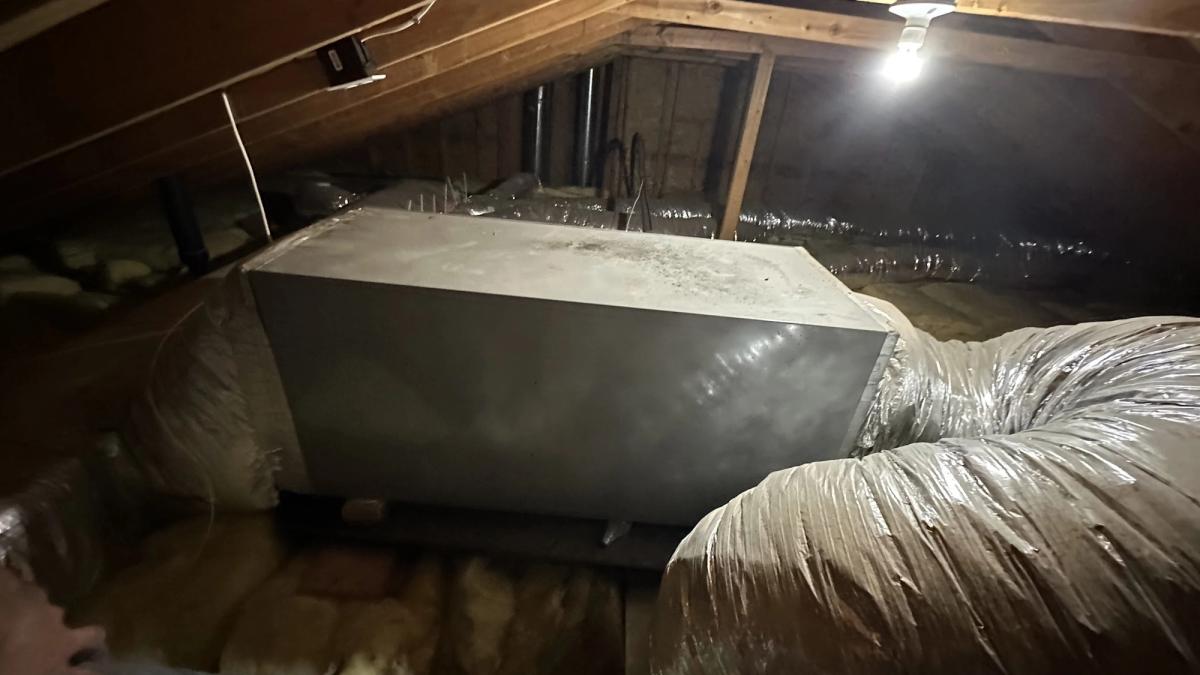
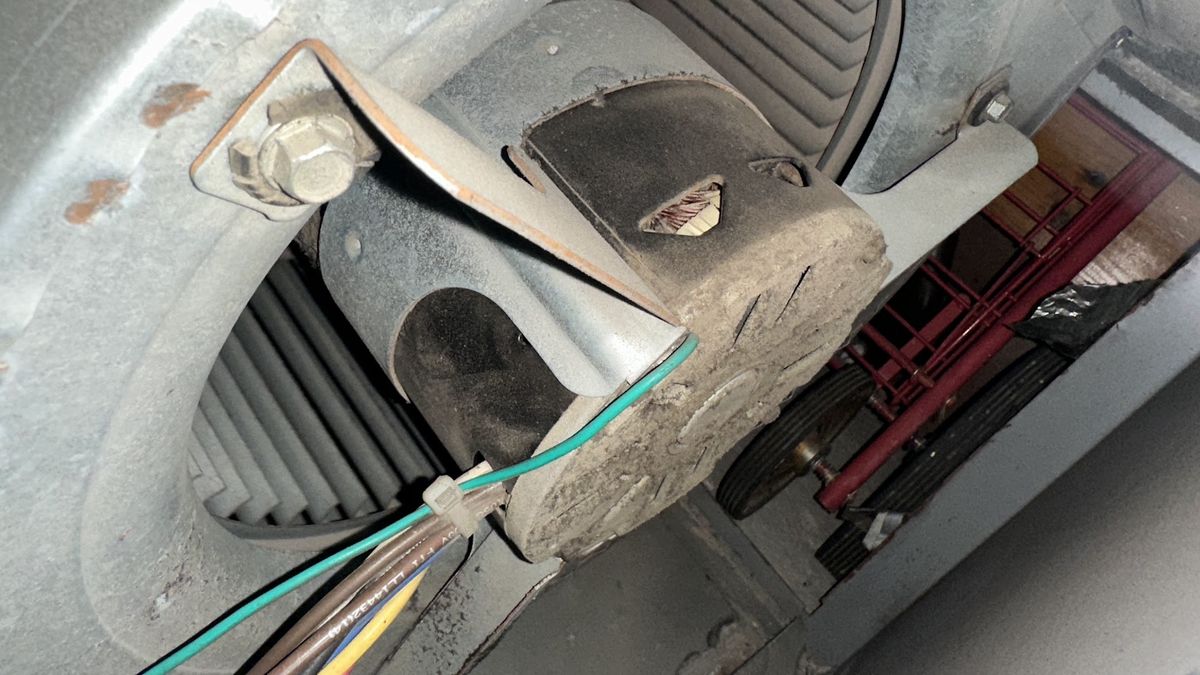
Dust and debris migrate into your air handler, coat the evaporator coil, clog the condensate drain, and reduce heat transfer. Systems with neglected ductwork need replacement 3 to 5 years earlier than properly maintained ones. Regular HVAC maintenance combined with duct cleaning protects your investment.

6 Warning Signs Your Ducts Need Cleaning

Don't wait for a crisis. Watch for these indicators:

  1. Visible dust around vents. Dark streaks or dust buildup around supply registers is a clear sign your ducts are pushing contaminated air.
  2. Musty or stale odors. A persistent smell when the system runs suggests mold growth or trapped organic matter.
  3. Unexplained allergy flare-ups. If symptoms improve when you leave and return when you come back, airborne contaminants are likely.
  4. Uneven airflow between rooms. Debris blockages restrict airflow to specific zones, creating hot and cold spots.
  5. Recent renovation or construction. Drywall dust and sawdust settle heavily in open ductwork during renovations.
  6. You've never had them cleaned. If your building is more than 3 years old and the ducts haven't been serviced, contamination is virtually guaranteed.

What Professional Duct Cleaning Actually Involves

Professional duct cleaning is far more than running a vacuum through your vents. A thorough service follows a systematic process:

Inspection and Assessment

Technicians begin with a full duct inspection using cameras to document contamination levels, identify damage, and map the duct layout.

Negative Pressure and Agitation

A high-powered vacuum creates negative pressure throughout the system, preventing debris from entering living spaces. Technicians use rotating brushes, compressed air, and manual agitation to break loose caked-on deposits.

Component Cleaning

A proper service includes cleaning supply and return registers, grilles, the blower motor housing, and the evaporator coil access area. These components collect the same contaminants and will recontaminate clean ducts if left dirty.

Sanitization (When Needed)

If mold or bacterial contamination is found, EPA-approved antimicrobial treatments are applied after mechanical cleaning. Reputable companies never recommend sanitization without first confirming contamination through inspection.

Note

How Often Should You Clean Your Ducts?

The NADCA recommends cleaning every 3 to 5 years for residential properties. However, several factors shorten that interval:

  • Pets: Every 2 to 3 years. Pet hair and dander accumulate rapidly.
  • Allergies or asthma: Every 2 years. Sensitive individuals benefit significantly from cleaner ducts.
  • Smokers in the home: Every 2 years. Tobacco residue coats duct interiors.
  • Post-renovation: Immediately after any major construction work.
  • NYC pre-war buildings: Every 2 to 3 years. Older ductwork with more joints and rough surfaces traps debris faster.

For commercial properties — restaurants, medical offices, retail — annual inspection and cleaning every 1 to 2 years is standard.

Professional Cleaning vs. DIY: What Actually Works

Vacuuming visible dust from vent covers is fine for upkeep, but it does almost nothing for the ductwork itself:

  • DIY: Clean register covers, change filters regularly, keep return vents unobstructed. Valuable but doesn't address what's inside the ducts.
  • Professional: HEPA vacuums, rotary brush systems, and compressed air tools reach the full length of every duct run. Professionals can also identify and seal leaks and insulation damage.
Note

How Clean Ducts Extend Your HVAC System's Life

Think of duct cleaning as part of your overall HVAC maintenance strategy. When ducts are clean, your system benefits measurably:

  • Reduced blower motor strain. Less debris means less resistance, so the motor lasts longer.
  • Cleaner evaporator coils. Heat transfer stays efficient and the risk of coil freeze-ups drops.
  • Fewer filter replacements. Clean ducts mean filters don't clog as fast.
  • Better drainage. Dust and biological growth are the top causes of clogged condensate drains.

A $500–$1,000 duct cleaning every 3–5 years can prevent thousands in premature repairs and extend your system's life by several years. It's one of the highest-ROI maintenance investments you can make.

DUCT CLEANING

Frequently Asked Questions

Find answers to common questions about our HVAC, plumbing, and refrigeration services.

For a typical NYC apartment (1–2 bedrooms), expect 2 to 3 hours. A full house with multiple zones takes 4 to 6 hours. The process should not be rushed — faster is not better when it comes to thorough duct cleaning.

When done properly, professional duct cleaning creates no mess. The negative pressure system contains all debris within the vacuum collection unit. Technicians cover floors and furniture near access points.

Yes. Removing accumulated allergens from ductwork significantly reduces airborne particle counts. Many allergy sufferers report noticeable improvement within days. Combine with MERV 11+ filters for best results.

Expect $400–$700 for a standard NYC apartment, and $700–$1,200 for a full house. Be wary of prices significantly below these ranges — quality duct cleaning requires professional equipment and trained technicians.

Typically yes. Clean ducts improve airflow efficiency by 20–30 percent in heavily contaminated systems. Most homeowners see measurable savings within the first billing cycle after cleaning.

Limited Availability

Schedule Your Duct Cleaning — Breathe Easier Today

Join 2,000+ New York homeowners and businesses who chose Art HVAC for reliable, same-day service. Book your free on-site estimate now — no obligations, no hidden fees, just honest expert advice.

Alex Weber