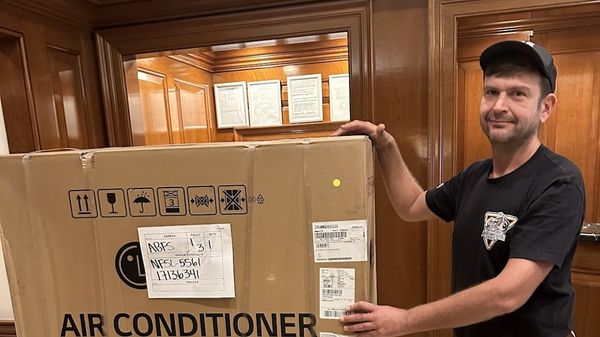
Art HVAC team installing a new central air conditioning system in a NYC home
Back to Blog ENERGY SAVINGS

How Much Does an HVAC System Cost? A 2026 NYC Price Guide

Jun 29, 2026 10 min read Alex Weber
Quick Read

This article covers:

  • Realistic installed price ranges for every common HVAC system type in NYC
  • The five factors that move a quote by thousands of dollars
  • The hidden costs that surprise homeowners — rigging, disposal, permits
  • Rebates and tax credits that meaningfully cut the price
  • How to read a quote and spot one that is too good to be true

Estimated read time: 5 minutes.

The honest answer is that a new HVAC system in NYC usually costs between $7,000 and $15,000 for a standard residential setup — but the full range runs from around $5,000 for a single equipment swap to well over $45,000 for multi-zone or commercial work. Anyone who quotes a firm number before seeing your home is guessing.

Price depends on what you are installing, the condition of what is already there, and the realities of your building — and in NYC those realities (walk-ups, roof access, co-op rules, and permit requirements) add cost you would not see in a suburban install. Below is what the money actually buys, what changes the number, and how to tell a fair quote from a bad one. For published service pricing, see our prices page.

Warning Sign #01

1. System Type & Capacity

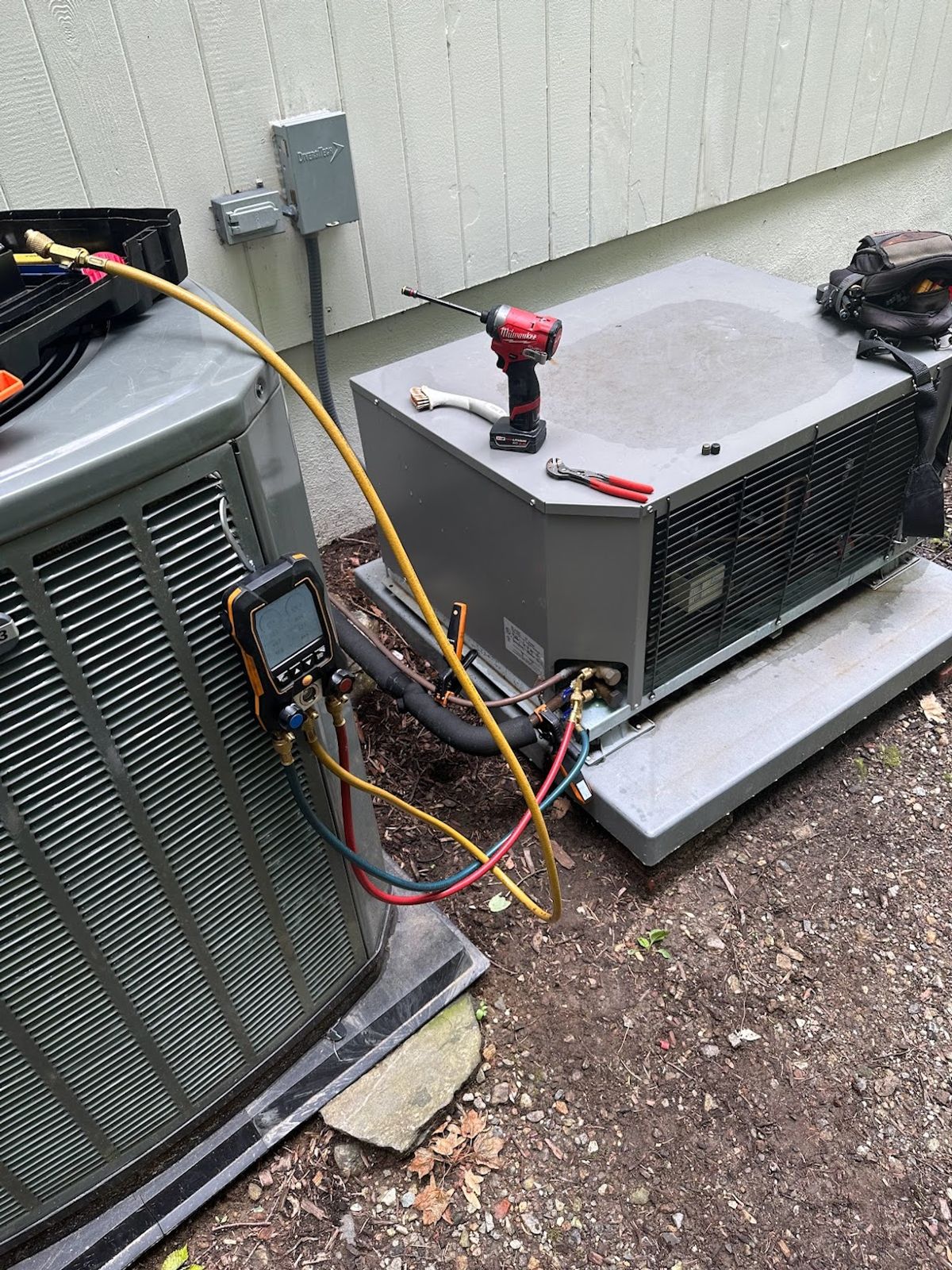
Equipment is the single biggest line item, and it scales with capacity. A small apartment system and a whole-house multi-zone setup are different machines at different prices. Higher efficiency tiers — SEER2 for cooling, AFUE or HSPF for heating — cost more upfront but lower your bills for years.

Equipment is the largest single cost
Capacity (tonnage/BTU) scales the price
Higher SEER2 / AFUE costs more upfront
Heat pumps and VRF sit at the top end
Right-sizing matters more than brand
Warning Sign #02

2. Ductwork: Reuse, Repair, or New

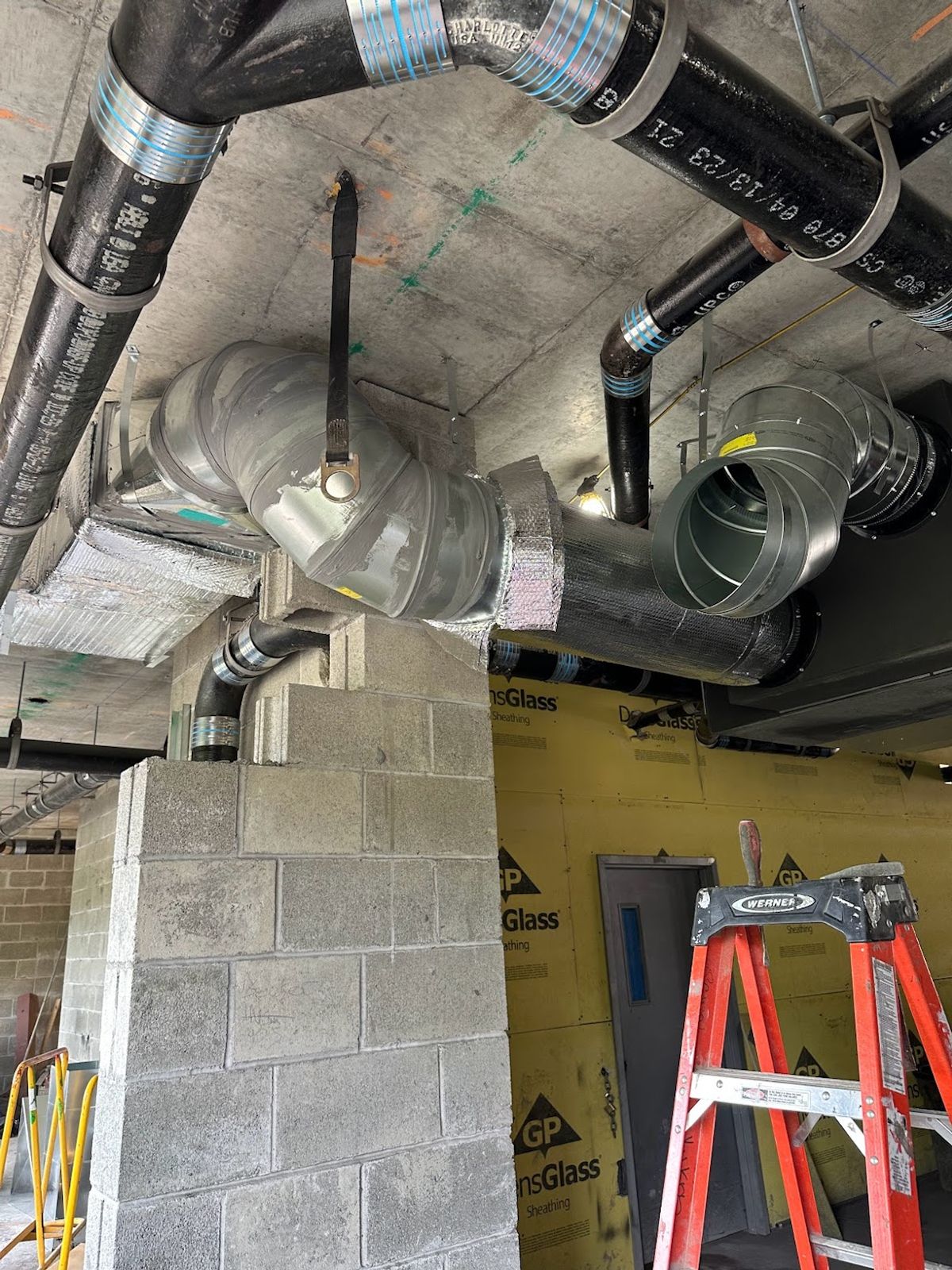
If sound ducts already exist, you reuse them and save thousands. If they leak, are undersized, or do not exist, new ductwork is one of the most expensive parts of the job — especially when it means opening plaster walls in an older NYC home.

Reusing good ducts saves the most
Leaky or undersized ducts need rework
New ducts in plaster walls are costly
Ductless avoids ductwork entirely
Have ducts inspected before quoting
Warning Sign #03

3. Electrical & Fuel Work

Modern systems often need electrical upgrades — a dedicated circuit, or a panel upgrade for an all-electric heat pump. Gas equipment may need a new or resized gas line. This behind-the-walls work is invisible on the spec sheet but real on the invoice.

Heat pumps may need a panel upgrade
Dedicated circuits for new equipment
Gas line work for furnaces/boilers
Older buildings need more electrical work
Easy to underestimate before inspection
Warning Sign #04

4. Access, Rigging & Removal

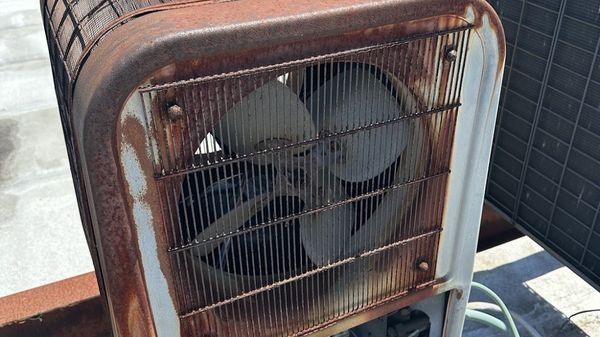
Getting equipment into place is its own cost in NYC. Rooftop condensers may need a crane or hoist; walk-ups add labor; and the old system has to be removed and disposed of — occasionally with asbestos abatement on very old duct insulation.

Crane or hoist for rooftop condensers
Walk-up and tight-access labor adds up
Old-equipment removal and disposal
Possible asbestos abatement (old systems)
City logistics raise the labor figure
Warning Sign #05

5. Permits, Filings & Co-op Approval

Done right, an install includes DOB permits and inspections, and in a co-op or condo, board approval before any work begins. These steps add time and cost — but skipping them creates resale and liability problems that cost far more later.

DOB permits and inspections
Co-op / condo board approval
Filings add time to the schedule
Skipping permits is a liability, not savings
Proper paperwork protects resale
A Quick Rule of Thumb

For a straightforward NYC home, budget roughly $7,000–$12,000 to replace a central system with like-for-like equipment, and add $3,000–$8,000 if the ductwork, electrical panel, or condenser access needs work. If a quote comes in far below that, something is usually missing — undersized equipment, skipped permits, or no load calculation. Cheap now often means expensive later.

TYPICAL INSTALLED COST, NYC (2026)

What a New HVAC System Costs in NYC (Installed)

AC or Furnace, Replaced$5,000–$9,000
Full Central System$10,000–$18,000
Heat Pump / Ductless$12,000–$28,000
Commercial / VRF$30,000–$100,000+

* Installed NYC prices including equipment, distribution, and basic electrical — not the equipment-only figures you see online. Ductless multi-zone overlaps the central range; see our detailed ductless cost guide for line-item pricing.

Repair the Old System or Replace It?

Repair What You Have
Lowest upfront cost — often a few hundred dollars
Makes sense for systems under ~10 years old
No permits, rebates, or downtime
Efficiency and energy bills stay where they are
Risk of repeat failures on aging equipment
Best when the failure is minor and isolated
Replace With New
$7,000–$18,000+ upfront, but qualifies for rebates
Best for systems over 12–15 years old
20–40% lower energy bills with modern efficiency
A fresh warranty and years of reliability
A chance to right-size and add zoning
Best when repairs keep stacking up

How to Read an HVAC Quote (and Spot a Bad One)

Two quotes for the “same” job can differ by $5,000 — and the difference is almost never the equipment. It is the scope. Here is what a fair, professional quote includes:

  1. It starts with a load calculation. A proper quote follows a Manual J load calculation that sizes equipment to your home — not a guess from square footage. Oversized systems short-cycle and waste money; undersized ones never keep up. If no one measured, be cautious. See how to choose the right system.
  2. Equipment is itemized. A fair quote names the exact make, model, capacity, and efficiency (SEER2 for cooling, AFUE or HSPF for heating). Vague line items like “new AC system” hide what you are actually buying.
  3. Scope is spelled out. Ductwork, electrical, permits, removal, and warranty should each appear. The gap between a $9,000 and a $14,000 quote usually lives here — so compare what is included, not just the bottom line.
  4. Permits are included, not skipped. A quote that “saves” you money by skipping DOB permits or co-op filings is creating a liability, not a discount. Proper installation and replacement includes the paperwork.
The cheapest quote and the best value are rarely the same number. Compare scope line by line, not just the total.

We give itemized, no-surprise quotes across Manhattan, Brooklyn, Queens, and Staten Island — and we will tell you honestly when a repair makes more sense than a replacement, or when it is genuinely time to replace.

Rebates & Tax Credits That Lower the Price

A system’s sticker price is not always what you pay. Heat pumps qualify for Con Edison and NYSERDA Clean Heat rebates, and the federal 25C tax credit covers up to 30% of qualifying high-efficiency equipment (capped annually). For owners, a heat pump also helps your building meet Local Law 97 carbon limits. These incentives can cut thousands off an efficient install — see our rebate information and our comparison of heat pumps vs. traditional systems to understand which equipment qualifies.

HVAC SYSTEM COST

Frequently Asked Questions

Find answers to common questions about our HVAC, plumbing, and refrigeration services.

Most NYC homeowners spend $7,000–$15,000 to install a new residential HVAC system, with simple equipment swaps starting near $5,000 and multi-zone or commercial systems running $30,000 and up. The final price depends on system type, capacity, ductwork, electrical work, and your building’s access and permit requirements.

Replacing a single piece of equipment — just the AC condenser and coil, or just the furnace — typically runs $5,000–$9,000 installed in NYC. Doing both at once costs more upfront but less than two separate visits, since the labor, permits, and access are shared.

NYC adds costs you would not see in the suburbs: walk-up labor, crane or hoist rigging to place rooftop condensers, DOB permits, co-op and condo board filings, and tight spaces that slow the work. The equipment costs the same; the labor and logistics of installing it in the city are what raise the price.

Yes. Heat pumps qualify for Con Edison and NYSERDA Clean Heat rebates, and the federal 25C tax credit covers up to 30% of qualifying high-efficiency equipment. These can reduce an efficient install by thousands of dollars. Standard gas equipment generally does not qualify, which is part of why heat pumps are increasingly cost-competitive.

If your system is under about 10 years old and the failure is minor, repair is almost always cheaper. Once a system passes 12–15 years, needs a major part like a compressor, or the repairs start stacking up, replacement usually wins on total cost because of lower energy bills, a fresh warranty, and rebate eligibility.

A well-maintained system lasts 15–20 years for furnaces and heat pumps, and 12–18 years for AC condensers. Regular maintenance is the single biggest factor — skipping it can cut years off the lifespan and erase the value of the money you spent installing it.

Want a Real Number for Your Home?

Stop guessing from online averages. We will assess your home, size the system properly, and give you an itemized, no-surprise quote — including any rebates you qualify for. Free in-home estimates across NYC and Long Island.

Alex Weber