When to Replace Your AC Unit Guide by Art HVAC NYC Licensed Commercial AC Unit Replacement and Installation Contractor
Back to Blog HVAC TIPS

When to Replace Your AC Unit — 5 Warning Signs You Cannot Ignore

Mar 10, 2026 5 min read Alex Weber
The R-22 Factor

If your system still uses R-22 (Freon), replacement is strongly recommended. R-22 was officially phased out in 2020, and remaining supply prices have skyrocketed — sometimes $100–$175 per pound. Switching to a modern R-410A or R-32 system eliminates this cost entirely.

Your air conditioner doesn't come with an expiration date stamped on the side. But just like any major appliance, there comes a point where keeping it alive costs more than starting fresh. The tricky part? Knowing when you've crossed that line.

We've been installing and servicing AC systems across New York for over 15 years, and we see the same patterns repeat. Here are the five clearest signals that your unit is telling you it's time to move on — and what to do about it.
Why Upgrading Is Worth the Investment

Up to 60% Energy Savings

Modern systems with SEER 20+ dramatically cut your cooling costs.

Smart Home Integration

Wi-Fi thermostats, zoning, and app control come standard.

Eco-Friendly Refrigerants

No more R-22 surcharges — new units use R-410A or R-32.

10-Year Manufacturer Warranty

Peace of mind with extended coverage on parts & compressor.

The 5 Warning Signs

1. Your Energy Bills Keep Climbing. If your electricity bill has jumped 20–30% compared to last year — and your usage hasn't changed — your AC is likely losing efficiency.

2. Repairs Are Becoming a Habit. The "$300 here, $500 there" pattern adds up fast. Industry experts recommend the 50% rule: if a single repair costs more than 50% of a new system, it's time to replace.

3. Strange Sounds & Odors. Grinding, squealing, or banging signal failing bearings, loose parts, or a dying compressor.

4. Hot Spots & Uneven Cooling. When your AC can't maintain consistent temperatures, the compressor or refrigerant charge may be failing.

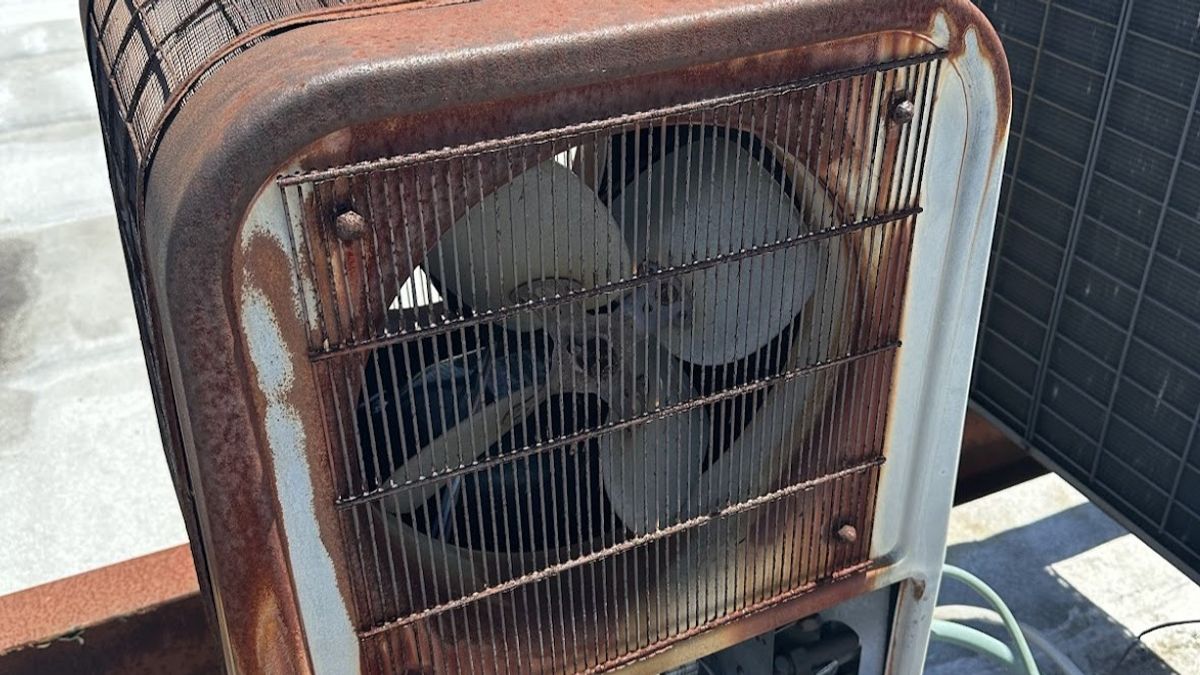
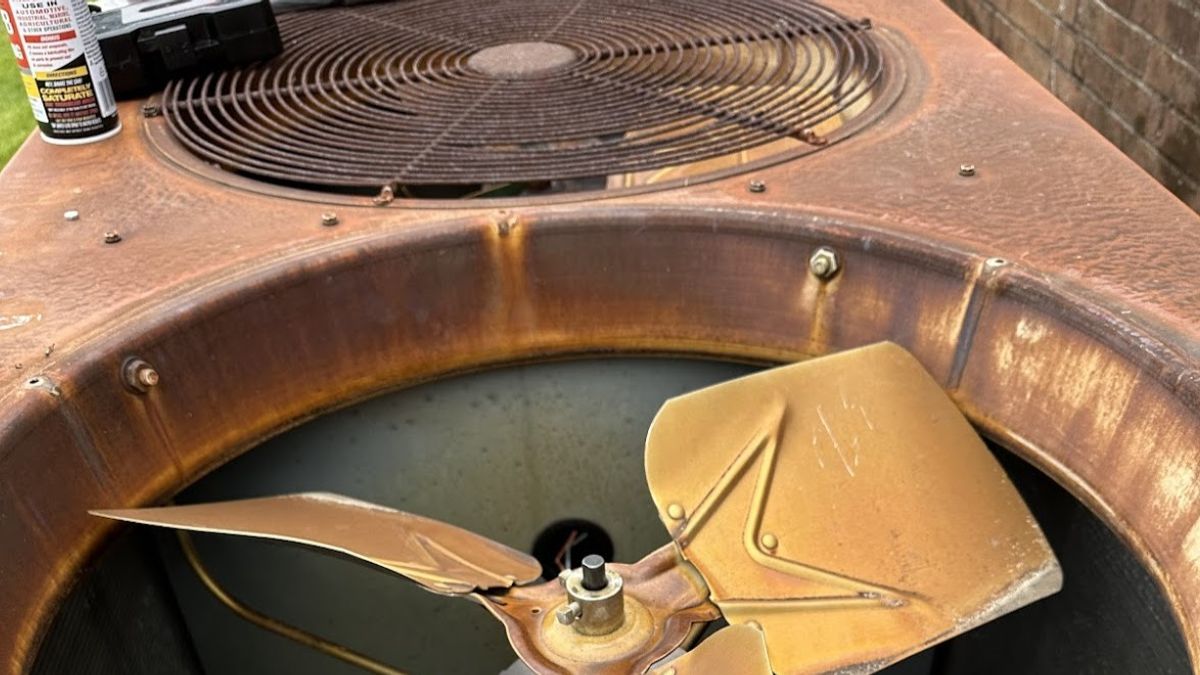
5. Your System Is Over 10–15 Years Old. AC units have a typical lifespan of 10–15 years. A 15-year-old unit may operate at only 60% of its original efficiency.

Warning Sign #01

Your Energy Bills Keep Climbing

If your electricity bill has jumped 20–30% compared to last year — and your usage hasn't changed — your AC is likely losing efficiency. Older compressors work harder to produce the same cooling, consuming significantly more power.

Compare your utility bills year-over-year for the same months
Check if your SEER rating is below 13 (modern units are 16–25+)
Request an energy audit from your utility provider
Warning Sign #02

Repairs Are Becoming a Habit

The "$300 here, $500 there" pattern adds up fast. Industry experts recommend the 50% rule: if a single repair costs more than 50% of a new system — or you've called for service 3+ times this year — it's time to replace.

Keep a repair log with dates and costs
Apply the 50% rule to your next repair quote
Factor in R-22 refrigerant costs (being phased out, prices surging)
Warning Sign #03

Strange Sounds & Odors

Grinding, squealing, rattling, or banging? These aren't quirky personality traits — they signal failing bearings, loose parts, or a dying compressor. Musty or burning smells can indicate mold in ducts or electrical issues.

Grinding = worn bearings or motor issues
Banging = loose or broken internal component
Musty smell = mold growth inside the unit or ducts
Burning odor = electrical wiring problem (turn off immediately)

What To Do Next

If you're experiencing two or more of these signs, here's what we recommend:

The best time to replace your AC? Before it fails on the hottest day of the year. Plan ahead and invest in a system that'll keep your home comfortable for the next 15+ years.

A good HVAC company won't push you toward replacement if a repair makes sense — and at Art HVAC, we always give you both options with transparent pricing.

Should You Repair or Replace?

Keep Repairing
Unit is less than 8 years old
First major repair
Repair cost < 50% of new unit
Still uses modern refrigerant (R-410A)
Overall system in good condition
Time to Replace
Unit is 10–15+ years old
3+ repairs in the past 12 months
Uses R-22 refrigerant (phased out)
Energy bills rising year over year
Uneven cooling or humidity issues
ANNUAL ENERGY COST COMPARISON

What You're Actually Paying to Cool Your Home

Old AC (SEER 10)$1,800/yr
Mid-range (SEER 16)$1,120/yr
High-eff. (SEER 22)$810/yr

* Based on a 2,000 sq ft home in a moderate climate zone, cooling 6 months/year. Actual costs vary.

AC Replacement

Frequently Asked Questions

Find answers to common questions about our HVAC, plumbing, and refrigeration services.

A new residential AC system typically costs between $3,500 and $7,500 installed, depending on the size, efficiency rating, and brand.

A standard replacement takes 4–8 hours for a straightforward swap. If ductwork modifications are needed, it may take 1–2 days.

Yes! Many utility companies offer rebates for high-efficiency systems. Federal tax credits of up to $2,000 may also be available for qualifying ENERGY STAR equipment.

Limited Availability

Ready to Get Started?

Contact us today for a free estimate. Our expert technicians are ready to help with all your HVAC, plumbing, and refrigeration needs.

Alex Weber