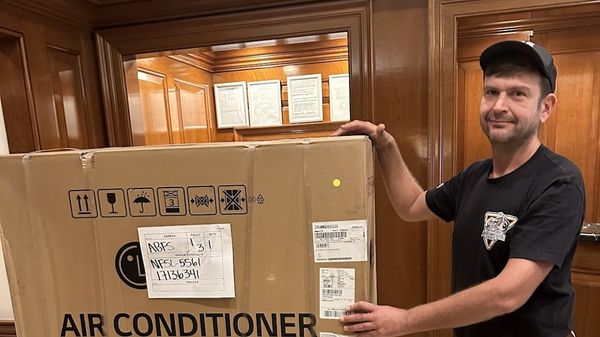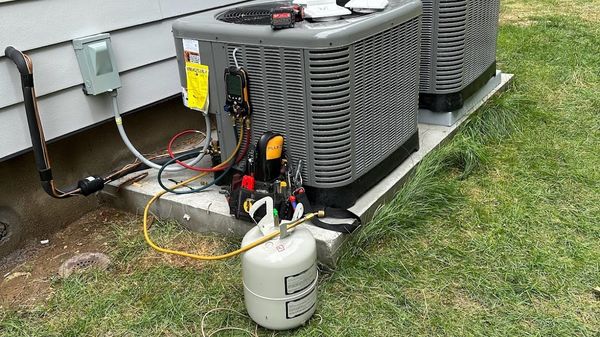
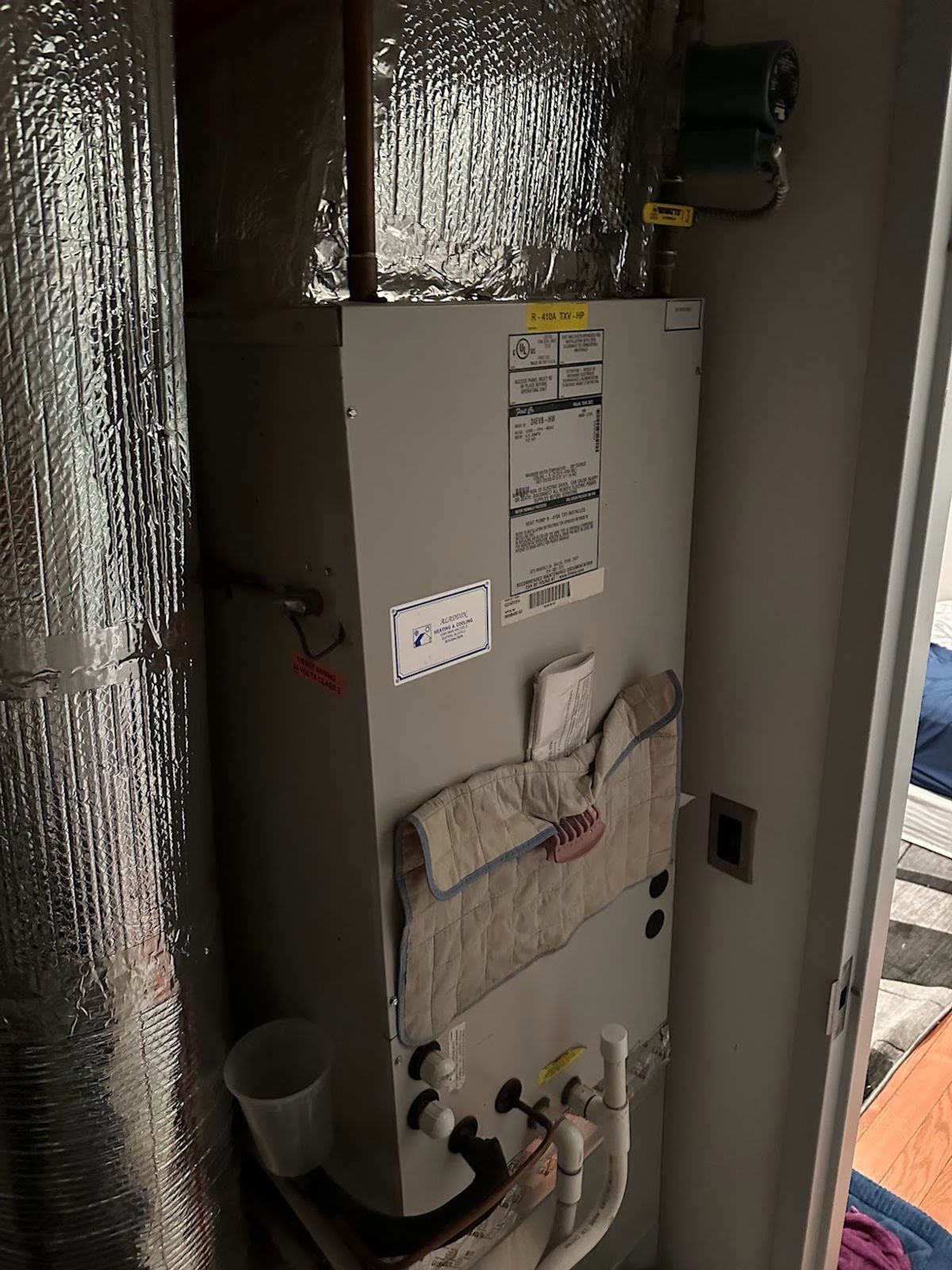
Art HVAC technician installing a complete central heating and cooling system in a NYC home
Back to Blog HVAC TIPS

What Does HVAC Stand For? Heating, Ventilation & Air Conditioning Explained

Jun 29, 2026 8 min read Alex Weber
Quick Read

This article covers:

  • Exactly what the letters H, V, and AC stand for
  • What each of the three systems does — and the equipment behind it
  • How heating, ventilation, and air conditioning work as one connected system
  • The common HVAC system types you’ll find in NYC homes and buildings
  • Why understanding the parts helps you maintain, run, and replace yours wisely

Estimated read time: 5 minutes.

HVAC stands for Heating, Ventilation, and Air Conditioning — the combined systems that control the temperature, air movement, and air quality inside a building. It is usually said letter by letter (“H-V-A-C”), though you will occasionally hear it pronounced “H-vack.” Whenever a contractor, listing, or thermostat manual mentions “the HVAC system,” they mean the equipment that keeps a space warm in winter, cool in summer, and supplied with fresh, filtered air year-round.

It is easy to assume HVAC is just a fancier word for air conditioning, but cooling is only one of three jobs. Heating and ventilation are equally part of the definition — and in a city like New York, with steam-heated pre-war apartments, ducted brownstones, and ductless mini-split retrofits all on the same block, the way those three jobs are handled varies enormously from one building to the next.
Warning Sign #01

H — Heating

The “H” covers everything that adds warmth. In NYC that might be a gas furnace blowing heated air through ducts, a steam or hot-water boiler feeding radiators, or a heat pump that moves heat rather than burning fuel. The heating source shapes much of how the rest of your system is laid out.

Furnace: heats air, distributes through ducts
Boiler: heats water or steam for radiators
Heat pump: moves heat, no combustion
Fuel: natural gas, oil, or electricity
The heat source shapes the whole system
Warning Sign #02

V — Ventilation

The “V” is the most overlooked letter. Ventilation is the controlled movement and exchange of air — bringing in fresh outdoor air, exhausting stale air, and filtering what circulates. It manages humidity, odors, and pollutants, and it is the difference between a building that feels fresh and one that feels stuffy.

Supply and return ducts move air
Fresh-air intake dilutes indoor pollutants
Exhaust removes moisture and odors
Filters trap dust, pollen, and particulates
Drives indoor air quality and humidity
Warning Sign #03

AC — Air Conditioning

The “AC” removes heat and humidity to cool the space. A refrigerant cycle absorbs heat indoors and releases it outside through the condenser — the unit you hear humming on a roof or in a backyard. It is the part most people picture when they hear “HVAC,” yet it only runs a few months of the NYC year.

Refrigerant absorbs indoor heat
Condenser releases that heat outdoors
Compressor drives the cycle
Dehumidifies the air as it cools
Central, packaged, or ductless designs
Warning Sign #04

The Shared Core: Air Handler & Ducts

In a ducted home, heating and cooling usually share the same air handler, blower, and duct network — the furnace and the AC coil sit in one cabinet, and a single set of ducts delivers warm or cool air depending on the season. This shared backbone is why HVAC is treated as one system rather than three separate machines.

One blower moves both warm and cool air
Furnace and AC coil share a cabinet
The same ducts deliver heating and cooling
Ductless systems skip ducts entirely
Shared core = one integrated system
Warning Sign #05

The Controls: Thermostat & Zoning

The thermostat is the brain that tells the system when to heat, cool, or circulate air. Modern setups add zoning — independent control of different floors or rooms — and smart thermostats that learn your schedule. Good controls are what turn raw equipment into actual comfort.

Thermostat senses and commands the system
Zoning controls floors or rooms separately
Smart thermostats learn and schedule
Poor controls waste energy and comfort
The link between you and the hardware
The Easiest Way to Remember It

Read the letters as a sentence: a building needs to be Heated in winter, Ventilated all year, and Air Conditioned in summer. If a piece of equipment does one of those three jobs — a furnace, a network of ducts and filters, or a condenser outside — it is part of the HVAC system. If it does none of them, it is not.

TYPICAL INSTALLED COST BY SYSTEM TYPE, NYC

What a Full HVAC System Costs by Type (NYC, Installed)

Furnace or AC, Replaced$5,000–$9,000
Full Central System$10,000–$18,000
Ductless Multi-Zone$11,000–$28,000
Heat Pump / Commercial$15,000–$45,000+

* NYC installed ranges covering equipment, distribution, and basic electrical. The exact figure depends on system type, capacity, and your building. For a full line-item breakdown, see our guide on what a new HVAC system costs.

Ducted Central HVAC vs. Ductless

Ducted Central HVAC
One furnace and AC share ducts through the whole home
Even, whole-home heating and cooling from one system
Hidden in walls, ceilings, and basements
Needs duct space — easier in houses than apartments
Filtration and fresh air handled centrally
Common in brownstones, houses, and new construction
Ductless Mini-Split HVAC
Wall heads connect to an outdoor unit — no ducts
Room-by-room zoning and independent control
Visible indoor heads, minimal construction
Fits apartments and co-ops with no duct space
Each head filters its own room’s air
Common in NYC apartments and home additions

Which Type of HVAC System Do NYC Homes Actually Have?

New York’s housing stock is unusually varied, so “the HVAC system” means very different things across the city. Four setups cover most homes:

  1. Steam or hot-water boiler heat. Most pre-war apartments and brownstones heat with radiators fed by a building boiler — heating with no cooling ducts at all, which is why so many New Yorkers add window units or mini-splits for summer.
  2. Forced-air central systems. Many houses and gut-renovated homes use a furnace and AC sharing one duct network — the classic central HVAC that both heats and cools. Our guide to residential heating and cooling systems breaks down the options.
  3. Ductless mini-splits and heat pumps. Increasingly common across Manhattan and Brooklyn, these handle both heating and cooling without ducts and qualify for city electrification rebates.
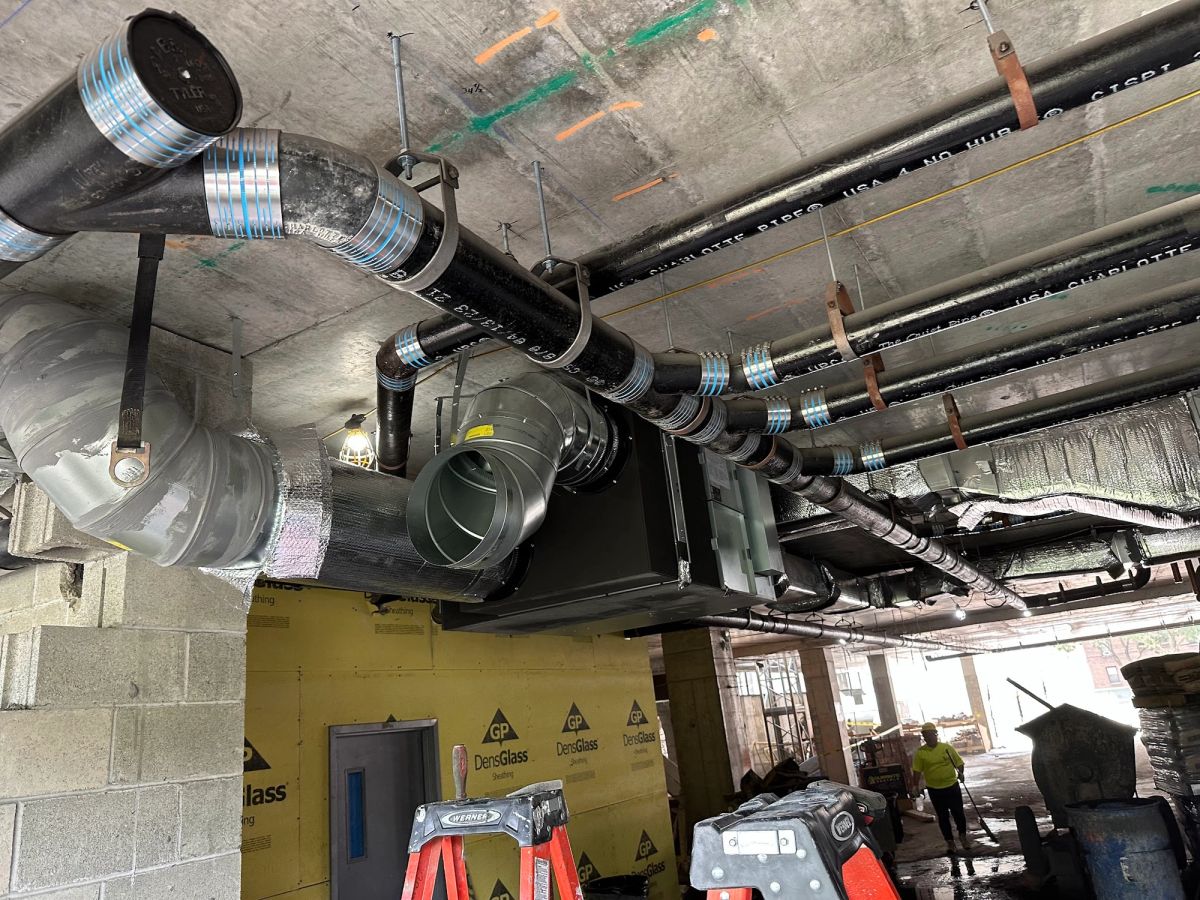
  4. Packaged and rooftop units. Commercial and mixed-use buildings often place a single packaged unit on the roof, combining heating, cooling, and ventilation in one cabinet — sometimes scaled up to a VRF/VRV system.
Knowing which of these you have changes everything about how you maintain it, what it costs to run, and what replacing it will involve.

If you are not sure what you have, an honest assessment is the place to start. We service every one of these system types — from duct inspection and indoor air quality work to full replacements — across Queens, the Bronx, and Long Island.

Why Knowing Your HVAC Setup Pays Off

Understanding the three parts is not trivia — it saves money. A system that heats well but ventilates poorly leaves you with stale air and high humidity; one that cools efficiently but is paired with leaky ducts wastes a third of what you pay for. When you can tell whether a comfort problem is a heating, ventilation, or air-conditioning issue, you describe it accurately, get a faster diagnosis, and avoid paying to “fix” the wrong part. Routine preventative maintenance on all three keeps the whole system efficient — see our piece on the ROI of proactive maintenance.

WHAT DOES HVAC STAND FOR

Frequently Asked Questions

Find answers to common questions about our HVAC, plumbing, and refrigeration services.

HVAC stands for Heating, Ventilation, and Air Conditioning. Together, these three systems control a building’s temperature, air movement, and air quality. The term refers to all of the equipment that heats, ventilates, and cools a space — not just the air conditioner.

Most professionals say it letter by letter: “H-V-A-C.” You will sometimes hear it pronounced as a single word, “H-vack,” especially in casual conversation. Both are understood, but spelling out the letters is more common in the trade.

No. Air conditioning is only the “AC” in HVAC — the part that cools. HVAC also includes heating (furnaces, boilers, heat pumps) and ventilation (air movement, fresh air, and filtration). Calling a whole system “the AC” is common shorthand, but technically inaccurate.

Yes. The “H” is heating, and it is a core part of the definition. A furnace, boiler, or heat pump that warms your home is just as much part of the HVAC system as the air conditioner. In many NYC homes, the heating and cooling even share the same ducts and blower.

No. Ducted systems use a network of ducts to distribute air, but ductless mini-splits deliver heating and cooling directly through wall-mounted heads with no ducts at all. Ductless systems are especially common in NYC apartments and co-ops where there is no room for ducts.

A furnace is one component — the part that produces heat. HVAC is the entire system the furnace belongs to, including the air conditioner, ventilation, ducts, and controls. Every furnace is part of an HVAC system, but an HVAC system is much more than a furnace.

Not Sure What HVAC System You Have?

Whether you have radiators and window units, a ducted central system, or ductless mini-splits, we will assess what you have, explain it in plain terms, and recommend only what actually improves your comfort. Free, no-pressure in-home assessment across NYC and Long Island.

Alex Weber