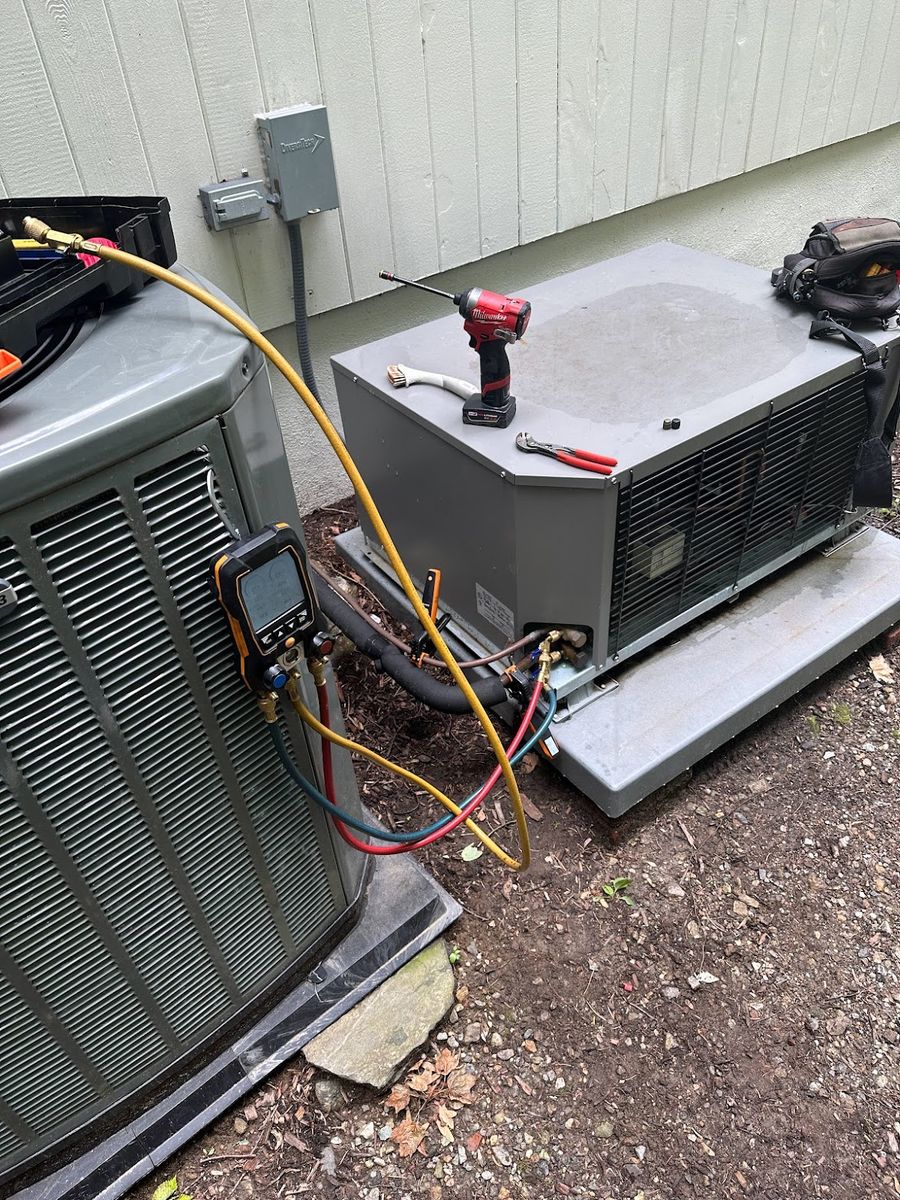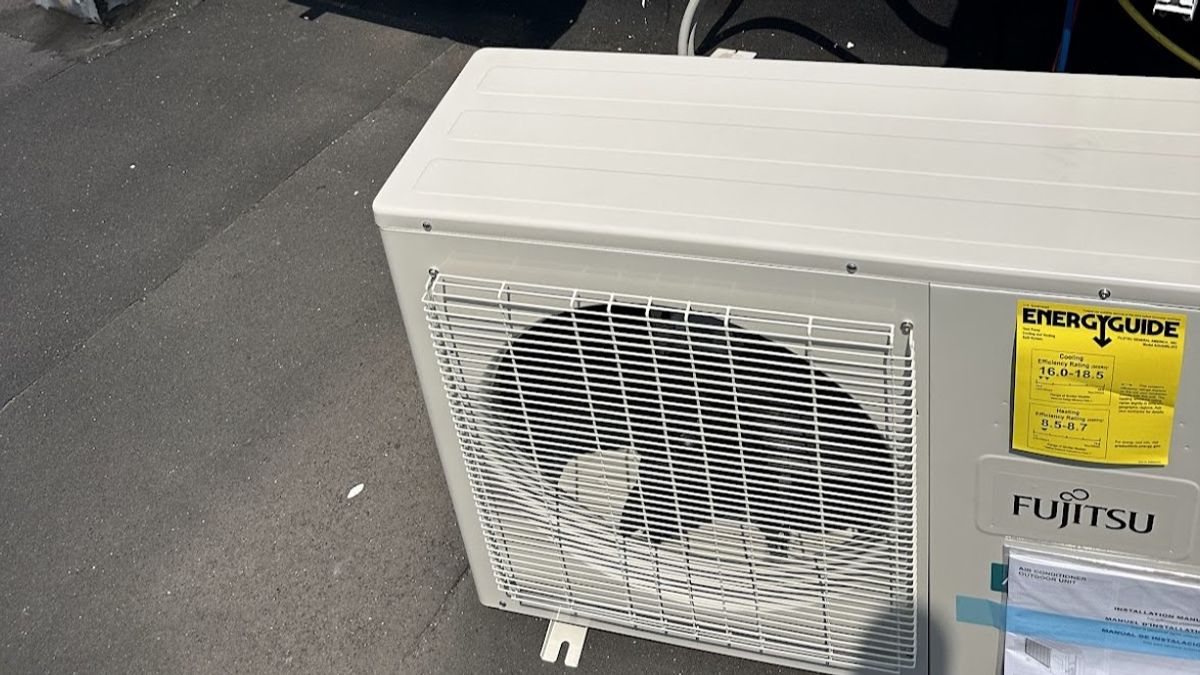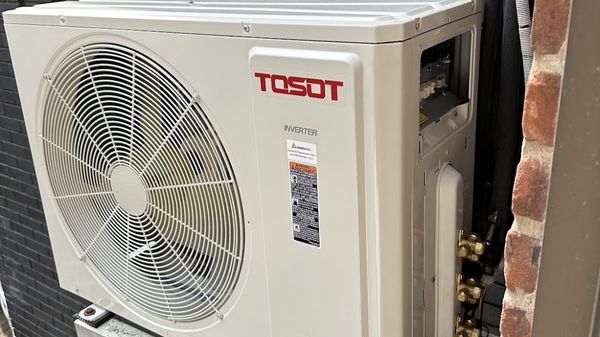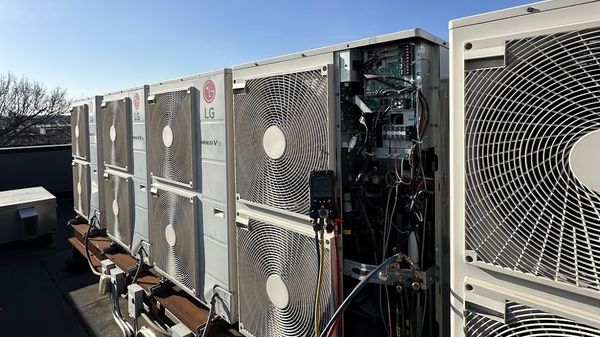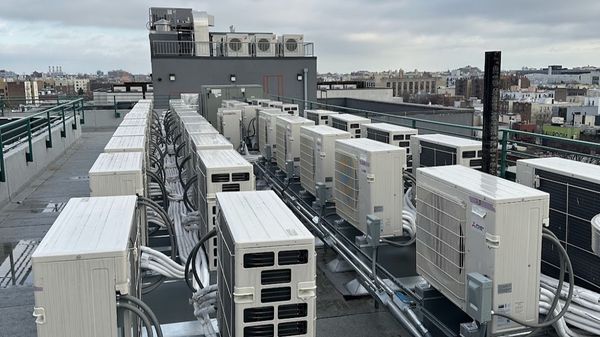
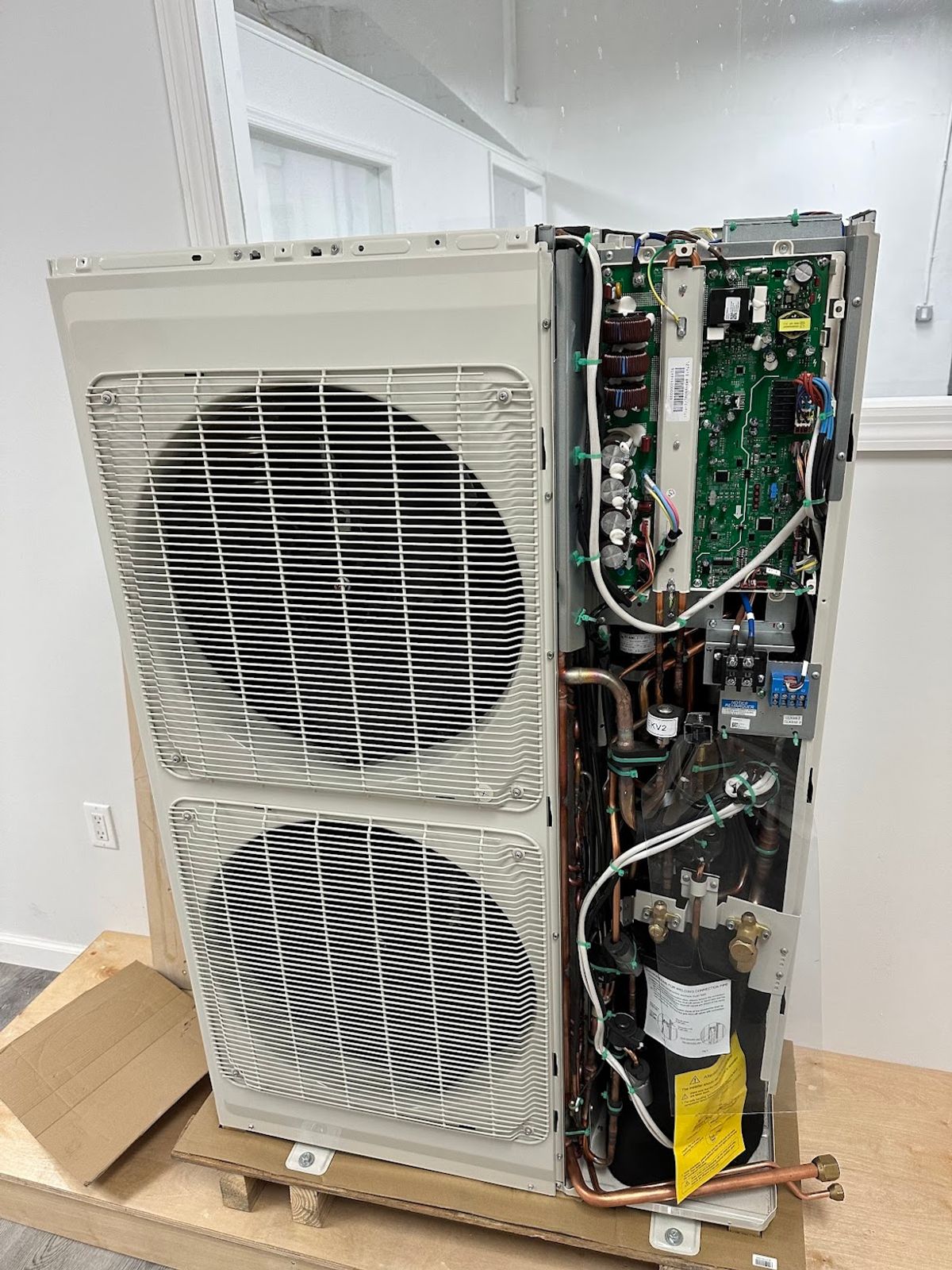
A heat pump is a heating and cooling system that moves heat from one place to another instead of burning something to create it. In summer it pulls heat out of your rooms and releases it outdoors — which is exactly what an air conditioner does. In winter it runs the same cycle in reverse: it pulls heat out of the outdoor air and brings it inside.
That second sentence is where most people stop and squint. If it is 25°F outside, what heat is there to collect? More than you would think. Cold air still holds thermal energy; physics only runs out of heat at absolute zero, around −460°F. A heat pump circulates refrigerant that boils far below freezing, so outdoor air at 25°F is more than warm enough to boil it and start the transfer.
The practical consequence is efficiency. A very good gas furnace turns roughly 95–98% of the fuel it burns into usable heat — it can never exceed 100%, because it is converting. A heat pump converts nothing. It relocates heat that already exists, so for every unit of electricity it draws it can deliver two to four units of heat into the house. That single fact is why heat pumps sit at the center of every serious conversation about lower heating bills and building decarbonization.