
HVAC Maintenance in Brooklyn: Boiler, Furnace and AC Tune-Ups
A tune-up is a visit of cleaning, measuring and testing that decides how your heating and cooling get through the next season. In Brooklyn that means a wide spread of equipment: steam and hot-water boilers in brownstones and rowhouses, gas furnaces and central air in detached houses, heat pumps, mini-splits, and rooftop units on stores. Below is what the visit covers on each one, when to book it, what it costs, and what you can safely do yourself in between.

- Central AC and heat pump tune-ups $250–$450
- Boiler and furnace maintenance quoted on site
- A written condition report after the visit
- Repairs priced separately, done only with your OK
Why the Visit Matters: Manuals, Combustion and Warranties
Equipment wears quietly. Dust settles on a coil week by week, a boiler loses a little water, a drain line slowly closes up. A yearly visit catches that while the fix is still cleaning and adjusting, not a repair.
The manufacturers write it into the manual
Weil-McLain’s manual for its gas steam boilers asks for an inspection and start-up every year at the beginning of the heating season. Carrier asks for a professional check-up of its gas furnaces annually, and for regular inspections of its heat pumps by a trained technician on top of the owner’s own upkeep. The checklist below gives each manual’s schedule.
Anything that burns gas gets a combustion check
ENERGY STAR’s tune-up list for heating includes the gas connections, gas pressure, burner combustion and the heat exchanger, because a dirty burner or a cracked heat exchanger makes equipment run less safely. NYC Health lists unvented furnaces and boilers, and clogged chimneys and exhaust vents, among the household sources of carbon monoxide. On a boiler or furnace visit we inspect the vent and the flame and, where the equipment allows it, run a combustion analysis that measures the carbon monoxide in the flue gas.
Dirt costs fuel, electricity and parts
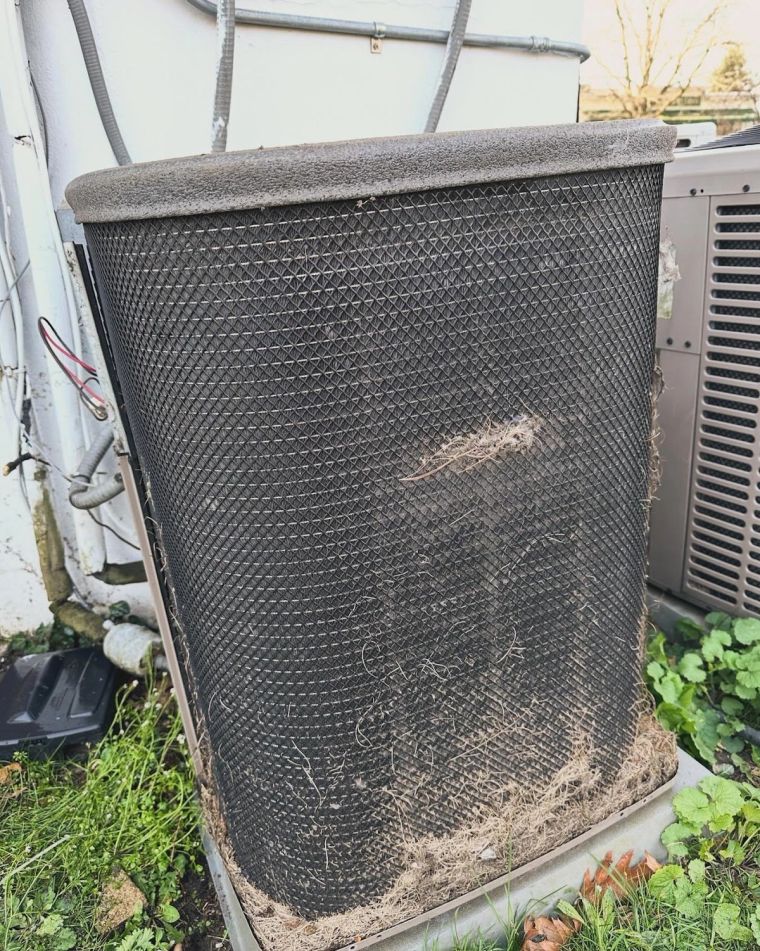
ENERGY STAR puts it plainly: dirty coils make a system run longer, which raises energy costs and shortens its life, and airflow problems can cut efficiency by up to 15 percent. A plugged condensate drain, on the same list, can cause water damage in the house.
Warranties expect the upkeep, and don’t pay for it
Daikin’s certificate for its DX and DZ central air conditioners and heat pumps gives up to five years on parts, or up to 12 years when the system is registered online within 60 days of installation. Its replacement of the whole unit, offered once if the compressor fails in the first six years, applies only when the owner named a contractor for annual maintenance at registration, had the unit serviced every year and kept written records. The same certificate excludes normal maintenance such as coil cleaning, filters and lubrication. Fujitsu’s warranty for its H‑Series mini‑splits excludes a system that wasn’t serviced and maintained according to its manuals, and covers no labor.
We register the manufacturer warranty on systems we install. File the written report from each maintenance visit with those papers: it is the kind of record a claim can ask for.
What the Tune-Up Covers on Your System
Brooklyn houses run on very different equipment, so the visit is different too. Pick yours: when it is due, what we do on the visit, what you can handle in between, and what its manufacturer’s manual asks for.
Steam boilers in brownstones and rowhouses
Usually one pipe to each radiator, a gauge glass on the boiler and a low-water cutoff that stops the burner when the water drops. Most of the visit is about water: the right level, the safety that guards it, and where any lost water goes.
When Every year, before the heat comes on in the fall
On the visit
- Waterline checked at about halfway up the gauge glass; glass flushed clean
- Low-water cutoff cleared of sediment and tested until the burner shuts off
- Pressure control turned down to prove the boiler cycles off
- Burners, pilot and heating surfaces inspected and cleaned of soot
- Flue, chimney connection, main vents and radiator vents checked
- Relief valve and gas piping checked, combustion analyzed where the boiler allows
Between visits, you can
- Check the gauge glass with the boiler cool. Empty while it’s hot? Don’t add water: cold water can crack a hot boiler.
- Keep the boiler area clear of boxes, paint, cleaners and anything flammable.
- Adding water often? Note the dates. Frequent refills point to a leak in the boiler or the piping.
What the manual asks for
Weil-McLain, for its gas steam boilers: an inspection and start-up by a qualified technician every year at the start of the heating season, and a low-water cutoff test every three months during it.
Steam boiler maintenance Quoted on site Depends on the boiler and what the inspection finds. Parts and repairs are priced separately.
Getting a boiler ready for October 1Hot-water boilers, zones and combis
Water instead of steam, moved by circulator pumps through radiators or baseboards, sometimes split into zones by floor. A combi boiler heats the tap water too. The visit is about pressure, air and the parts that control both.
When Every year before the heating season; a combi works all year, so any month suits it
On the visit
- Pressure and temperature read; expansion tank and its air charge checked
- Relief valve, high limit and any low-water cutoff tested
- Circulators, zone valves and air vents checked; trapped air bled
- Burner, ignition and flame sensing inspected; flue checked for blockage and corrosion
- Combis: tap-water heat exchanger descaled as needed, inlet filter and condensate trap cleaned
- Combustion analysis where the boiler allows it
Between visits, you can
- Glance at the pressure gauge. Weil-McLain says its water boilers shouldn’t read above 24 psi; higher can point to the expansion tank.
- Once a month, check the end of the relief valve’s discharge pipe for drips.
- Warm at the bottom, cool at the top? Bleed that radiator with a radiator key until water appears.
What the manual asks for
Weil-McLain: a yearly start-up by a qualified technician, the relief valve and air vents checked monthly, the relief valve operated every six months. Navien, for its NCB-E combis: valves on the tap-water heat exchanger so it can be flushed of hard-water buildup.
Hot-water or combi boiler maintenance Quoted on site Depends on the boiler and whether the tap-water side needs descaling.
Radiators, boilers and your heating billGas furnaces in detached houses
Many of the ones we service are in detached houses with basements and ducts, from Kensington down to Sheepshead Bay. A furnace lights through a chain of safeties, and a high-efficiency one also makes water that has to drain.
When Every year before the heating season; if central air shares the ducts, again in spring
On the visit
- Burners, igniter and flame sensor inspected and cleaned
- Inducer, pressure switch and limit switches tested through a full cycle
- Heat exchanger inspected for cracks and rust
- Gas connections and pressure checked, combustion analyzed
- Vent and combustion-air pipes checked inside and at the outside end; blower and filter serviced
- High-efficiency furnaces: condensate trap, drain tubes and any pump cleaned
Between visits, you can
- Check the filter monthly; change it when it looks dirty, and at least every three months.
- Before the season, look along the vent pipes for sags or loose joints, and keep the outside vent end clear.
- Store bleach, paint and laundry chemicals away from the furnace: Carrier warns their fumes can damage its heat exchangers.
What the manual asks for
Carrier, for its condensing gas furnaces: a professional check-up every year, from the burners and heat exchangers to the vent, gas piping and blower, plus a yearly cleaning of the condensate system.
Furnace maintenance Quoted on site If central air shares the ducts, its side is the AC tune-up on our price list, $250–$450.
Gas furnace service and replacementCentral air and ducted heat pumps
An outdoor unit on a pad, bracket or roof, and an indoor coil over the furnace or in an air handler in the attic or a closet. A heat pump is the same pair working in both seasons, so it gets a heating check too.
When Every spring for cooling; a heat pump again before the heating season
On the visit
- Indoor and outdoor coils inspected and cleaned
- Refrigerant pressures, superheat and subcooling measured; a low charge means a leak, priced before any repair
- Connections tightened; capacitors, contactor and outdoor disconnect tested
- Blower inspected, filter replaced, condensate pan, trap and drain line cleaned
- Heat pumps: heating mode, defrost and reversing valve checked
- Thermostat and a full start, run and stop cycle checked
Between visits, you can
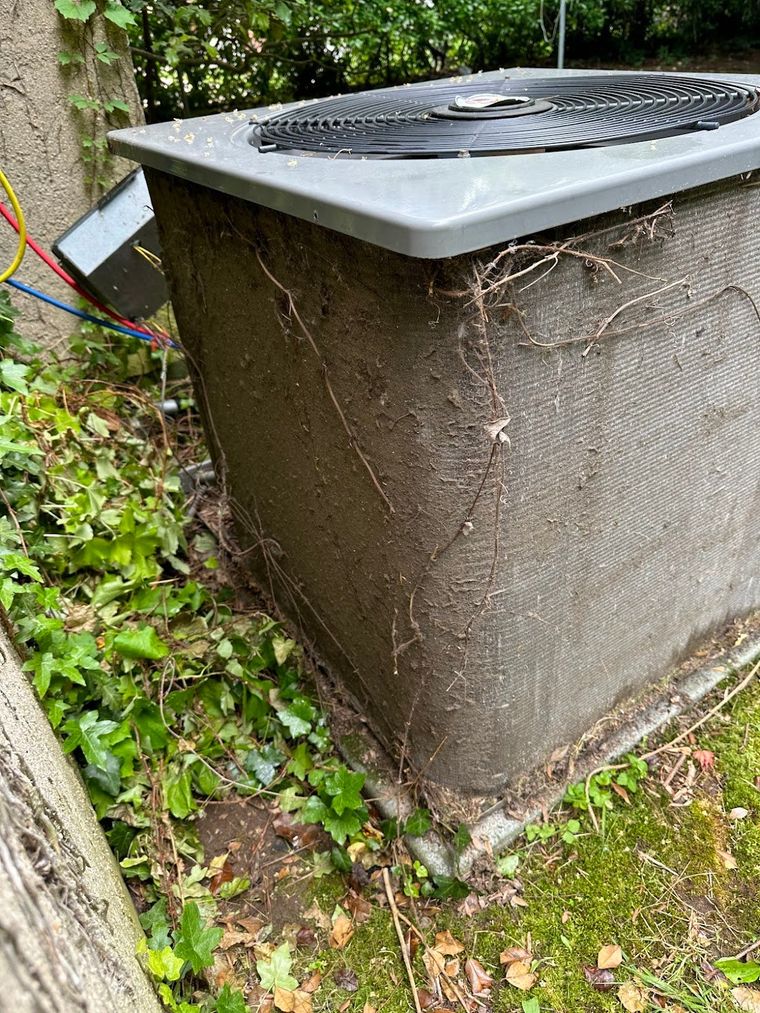
- Keep a foot of open space around the outdoor unit: no vines, shrubs or leaves, nothing stored on top.
- In summer, check that water trickles from the condensate drain a few minutes into cooling.
- Near the ocean, rinse the outdoor coil with a garden hose every few months, power off. No pressure washer, no harsh chemicals.
What the manual asks for
Carrier, for its 25VNA heat pump: plants and debris cleared from the outdoor unit monthly, a technician’s inspection yearly, and near the sea the outdoor coil washed about every three months.
AC or heat pump tune-up $250–$450 Our NYC price list: filter, both coils, refrigerant pressures, electrical, condensate drain and a written condition report.
Heat pump or plain AC? How to tellMini-splits, wall units and ceiling cassettes
Each indoor unit pulls room air through a washable filter and over a coil a few feet from your bed or sofa; the water it takes out of the air leaves through a thin drain line or a small pump. A deep cleaning takes the unit apart when the fan and coil are coated.
When Spring before cooling, and a fall check if it heats the house
On the visit
- Filters washed, coil and blower wheel inspected
- Drain pan, line and any condensate pump cleaned and tested
- Outdoor coil cleaned, refrigerant pressures and wiring checked
- Cooling and heating run, error history read
- When needed, a deep cleaning: covers off, coil and blower wheel washed inside a bag
Between visits, you can
- Wash the filters about every two weeks while you use the system: unit off, filters out, rinse, dry, back in.
- Leave the outdoor unit uncovered in winter; clear snow from around and under it.
- Don’t spray anything into the indoor unit or touch the coil’s thin aluminum fins.
What the manual asks for
Daikin, for its wall units: filters cleaned about every two weeks; for anything inside the unit, the manual says to contact the dealer. Fujitsu: hands off the coil’s aluminum fins.
Mini-split service or deep cleaning Quoted on site Depends on how many indoor units there are and whether they come apart.
Deep cleaning and repairs on our Brooklyn mini-split pageRooftop units on stores and small buildings
A packaged unit with cooling and a gas furnace section in one cabinet, on the roof of a shop, restaurant or office. It runs long hours, and its belts, bearings and filters wear on their own schedule.
When Before cooling and before heating, with quarterly checks on units that work hard
On the visit
- Filters replaced, outside-air screens cleaned
- Belts, pulleys and bearings checked and adjusted
- Coils cleaned, drain pan and condensate line flushed
- Refrigerant pressures and motor amperage measured
- Heating section: burners, flue passages, heat exchanger, gas pressure and temperature rise checked
Between visits, you can
- Keep the roof around the unit clear and the hatch or ladder usable.
- Note new noises, drips under the unit or a thermostat that can’t hold its setting, and tell us at the visit.
What the manual asks for
Carrier, for its 48TC units: filters, belts, bearings, condenser coil and drain every quarter and 30 days after start-up, plus cooling and heating checks at the start of each season.
Rooftop unit maintenance Quoted on site Per visit or on an agreement, by tonnage, roof access and visits per year.
Maintenance agreements for buildings and businessesEvery visit ends with a written condition report. Anything that needs a part or a repair is priced separately and done only with your approval.
A Brooklyn Maintenance Calendar, Season by Season
ENERGY STAR’s rule of thumb: check the cooling in spring and the heating in fall. Here is how that plays out over a year, and who does what.
-
March to May: the cooling visit
ART HVAC
Central air, heat pumps and ductless units, before you need them. Coils, drains, refrigerant pressures and electrical parts get checked while any problem is still small.
-
June to September: keep the air moving
You
Look at the filter each month, keep the outdoor unit clear and watch for water at the condensate drain. Units near the ocean get a fresh-water rinse every few months.
-
September: the heating visit
ART HVAC
Boilers and furnaces before the heat comes on. If you rent part of your house to a tenant, the city’s heat season starts October 1.
-
October to May: heat season
You
Watch the gauge glass or the pressure gauge, bleed cold radiators if your heat is hot water, test carbon monoxide alarms monthly, and keep snow off a heat pump’s outdoor unit without covering it.
-
All year: stores and restaurants
ART HVAC
Rooftop units that run long hours get a quarterly visit for filters, belts and drains, on top of the seasonal cooling and heating checks.
-
After every visit: the paperwork
You
Keep our written report with the installation and registration papers. A warranty claim can ask for proof of yearly maintenance.
What Maintenance Costs, and What a Tune-Up Leaves Out
The central air and heat pump tune-up is on our NYC price list. Boilers, furnaces, ductless units and rooftop units depend on the equipment, so we quote them once we know what you have. A photo of the rating plate helps.
- AC or heat pump tune-up
- $250–$450
- Filter, both coils, refrigerant pressures, electrical, drain, thermostat and a written condition report.
- Boiler maintenance, steam or hot water
- Quoted on site
- Combi boilers too, including descaling the side that heats your tap water when it needs it.
- Furnace maintenance
- Quoted on site
- Burners, ignition, heat exchanger, venting and a combustion check.
- Mini-split service or deep cleaning
- Quoted on site
- Depends on the number of indoor units and how far each comes apart.
- Rooftop units and maintenance agreements
- Quoted on site
- One visit, twice a year or quarterly.
What moves the price
- How many systems
- A boiler, central air upstairs and a ductless unit in the attic bedroom are three tune-ups, not one.
- Reaching the equipment
- An air handler in a tight attic or a unit on a roof with no hatch takes longer to service.
- Condition
- A coil or drain left for years takes longer than one cleaned last season, and a heavily coated wall unit may need a deep cleaning instead.
What a tune-up doesn’t include. The visit is cleaning, measuring, adjusting and testing. Our maintenance agreements spell out what falls outside it: refrigerant and leak repairs, electrical repairs, replacement parts such as igniters, flame sensors, belts and motors, heat exchanger and gas piping repairs, chimney cleaning, ductwork repairs, a crane for a rooftop unit, and a coil wash that means taking the equipment apart. When the visit turns one of these up, you get a written price and decide. Repair ranges are on our price list.
One visit or an agreement. You can book a visit at a time, or put the equipment on a maintenance agreement with set visits, the way we look after a Trane rooftop unit in Midwood with a spring visit before cooling and a fall visit before heating. Agreements for larger buildings across the city are on our maintenance page.
Between Visits: Safe Upkeep You Can Do Yourself
None of this needs more than a radiator key and a garden hose, and none of it opens a panel with wiring or gas behind it. Turn the system off at its switch before you touch a filter or the outdoor unit.
Filters
ENERGY STAR’s advice is to check the filter every month, especially in winter and summer, change it when it looks dirty, and at the least every three months. Use the size and type the equipment calls for: Carrier warns against filters so dense that air can’t pass easily through them.
The outdoor unit
Give it a foot of open space, as Carrier’s heat pump manual asks: pull vines and weeds, rake out leaves, and never store anything on top. Don’t cover it for winter. After a snowfall, clear around and under it so the defrost water can drain; the state’s Clean Heat program puts the snow depth to plan for at 6 inches across Brooklyn, and asks for outdoor units to be installed above the local snow line. Steam or fog rising from a heat pump on a cold day is its defrost cycle, which Carrier calls normal.
Radiators and the boiler
On a hot-water system, a radiator cool at the top needs bleeding: open its valve with a radiator key over a cloth and close it once water appears. On steam, check the gauge glass with the boiler cool; Weil-McLain marks the normal waterline at about halfway up. On either, keep the boiler room clear of storage, paint and cleaning products, and look at the relief valve’s discharge pipe once a month for drips.
Thermostat and alarms
Change thermostat or remote batteries when they warn you: a dead thermostat sends no call for heat and looks like a dead boiler. Test every carbon monoxide and smoke alarm monthly and change their batteries at least twice a year, the routine HPD sets out for tenants. Carbon monoxide alarms also have a useful life; when it runs out, the owner replaces them.
Skipped Maintenance Comes Back as These Repair Calls
Many of the problems on our repair page for the borough begin as upkeep that didn’t happen. The usual chains:
- Filter to shutdown. A clogged filter starves a furnace of air until, as Carrier’s manual puts it, it overheats and shuts itself down.
- Drain to ceiling stain. A condensate line that closes up overflows the pan. In Williamsburg we found two slim duct units whose filters and drain pump areas were so clogged the water couldn’t get out.
- Coil to a higher bill. Dust on the coils cuts the airflow, and the system runs longer for the same comfort.
- Fresh water to a cracked section. The Weil‑McLain manual warns that a steady supply of fresh water brings in minerals that build up, overheat the cast iron and can make a section fail.
- Untested safeties. A low-water cutoff full of sediment or a relief valve nobody has lifted in years is a safety you are trusting without proof.
When something has already gone wrong, the repair page goes symptom by symptom, starting from the $200 service call credited in full toward the repair.
Maintenance Visits From Williamsburg to Sheepshead Bay
Maintenance our crew has finished around Brooklyn, listed north to south. Each line names the equipment and what the visit covered.


North
-
Williamsburg
- Rooftop unit, 15 tons: filters replaced, condenser coil cleaned, refrigerant pressures and amperage checked
- Two Mitsubishi slim duct units: clogged filters and drain pump areas cleaned until the condensate drained again
- Mitsubishi Electric VRF system: deep cleaning of the air handler and two wall units
-
Brooklyn Heights / DUMBO
- Hot-water boiler, annual service: relief valve, low-water cutoff, high limit and expansion tank tested, burner and flue inspected
- Deep cleaning of two air handlers, and a chiller serviced on the same contract
-
Boerum Hill
- Rooftop unit: filters, both coils, condensate pans and drains, belts and blower serviced
-
Bedford-Stuyvesant
- Mini-split deep cleaning: panels off, coil and blower wheel washed, mold treated, drain pan and line flushed
-
Prospect Heights
- Three Navien combi boilers: descaled on the tap water side, inlet filters and condensate traps cleaned, an expansion tank replaced
- Daikin ceiling cassette and two wall units: preventive maintenance with a deep cleaning
- Trane commercial ducted unit: preventive maintenance and an evaporator coil deep cleaning
-
Park Slope
- Two boilers and an indirect water heater descaled, main circulator replaced, isolation valves added for future service
-
East New York
- Boiler tune-up with a system flush
-
Kensington
- Gas furnace and central air in one visit: burner, ignition, heat exchanger, coils and pressures checked
- Ducted air conditioner: filters replaced, drain pump cleaned
- Deep cleaning of two Mitsubishi wall units
- Mitsubishi ducted indoor unit: failed condensate pump replaced during maintenance
-
Midwood / Flatlands
- Trane rooftop unit on a plan with two visits a year: spring before cooling, fall before heating
- Multi-zone system with five wall units: coils cleaned, drains cleared, refrigerant level checked
-
Marine Park / Mill Basin
- Wall-mounted mini-split: deep cleaning inside and out, a refrigerant leak found, repaired and recharged
-
Gravesend
- Seven central air systems and two rooftop units on a maintenance agreement, with a winter visit for the heating side
-
Sheepshead Bay / Homecrest
- Steam boiler maintenance
- Boiler inspection: burners cleaned, thermocouple replaced
South
Owners on Their Maintenance Visits
All reviews on GoogleStan did an amazing job with the maintenance on my boiler. He was professional, knowledgeable, and efficient from start to finish. He explained everything he was doing in a way I could easily understand and made sure all my questions were answered. The boiler is now running perfectly, and I feel confident in the quality of his work. What stood out the most was his punctuality and attention to detail--he went above and beyond to ensure everything was in great condition. If you're looking for someone reliable and skilled for any HVAC services, I highly recommend Stan. I'll definitely be using his services again in the future!
I had an excellent experience with Artem from ART HVAC! He serviced my furnace, and everything went smoothly from start to finish. He was professional, knowledgeable, and efficient, ensuring everything was running perfectly before he left. The service was top-notch, and I couldn't be happier with the results. ART HVAC is now my go-to company for any HVAC-related needs. Highly recommend!
Art HVAC offers excellent and thorough service. They are clear about repairs, consistent with their communications and have the best deep cleaning/maintenance etiquette. They are one of the best HVAC techs I have used over the 10 years of interacting with HVAC technicians. Pricing is fair and reasonable.
Excellent service from start to finish! The HVAC cleanup was thorough and done with great attention to detail. Not only is the system running noticeably better, but the technician also had such a pleasant and professional demeanor. It's refreshing to have someone who's both skilled and kind—made the whole experience smooth and comfortable. Highly recommend 5⭐️
What Brooklyn Owners Ask About Tune-Ups
How often does a heating and cooling system need maintenance?
Once a year for each side: heating before the fall, cooling before summer, as ENERGY STAR recommends. A heat pump or mini-split that heats and cools gets both checks. Boiler makers such as Weil-McLain call for an inspection and start-up at the beginning of every heating season. Rooftop units on stores need more: Carrier’s manual for its 48TC units lists filters, belts, coils and drains every quarter.
Is maintenance worth it on a system that is only a year or two old?
Yes. New equipment collects dust on its coils and gunk in its drain like any other, and some warranties count on the upkeep. Daikin replaces the whole unit once if the compressor of its DX or DZ central air or heat pump fails in the first six years, but only if the system was registered, a contractor serviced it every year and you kept written records.
Does my warranty require annual maintenance?
It depends on the certificate. Daikin’s DX and DZ systems get up to 12 years on parts if registered online within 60 days of installation; its one-time unit replacement also needs a maintenance contractor named at registration, yearly service and written records. Fujitsu’s warranty for its H-Series mini-splits excludes a system not maintained according to its manuals. Neither pays for the maintenance or for labor. Keep our written report from each visit with your papers.
Should a steam boiler be cleaned or skimmed every year?
Cleaned as needed, yes. Weil-McLain’s annual service for its gas steam boilers includes checking the heating surfaces for soot and cleaning them if necessary, cleaning the burners and clearing sediment from the low-water cutoff. Skimming is a different job: it removes the oil left in a newly installed boiler, which otherwise makes the water line bounce, and may need repeating after several weeks. The same manual says cast-iron steam boilers generally don’t need water treatment; fixing the leaks that bring in fresh water matters more.
Can I clean my own mini-split filters?
Yes, and you should. Daikin’s manual says to clean them about every two weeks, because clogged filters waste energy. Turn the unit off, lift the front panel, slide the filters out, rinse or vacuum them, let them dry and put them back. Leave the coil, blower wheel and drain to a technician: a deep cleaning means taking the unit apart.
What doesn’t a tune-up include?
Repairs and parts. A tune-up cleans, measures, adjusts and tests. Refrigerant and leak repairs, electrical repairs, replacement parts such as igniters, flame sensors, belts and motors, heat exchanger or gas piping repairs, chimney cleaning, ductwork repairs and a coil wash that takes the unit apart are priced separately and done only with your approval. On our price list, the central air or heat pump tune-up runs $250 to $450.
I rent out a floor of my house. Does the city require maintenance?
The law sets the result, not the tune-up: a one- or two-family house with a tenant must deliver heat through the heat season starting October 1, with a carbon monoxide detector in the rented apartment where fuel is burned. A fall visit is the practical way to make sure the boiler or furnace will. A building with six or more apartments, or stores with apartments above, generally also needs a yearly DOB boiler inspection, a filing separate from the tune-up. Our repair page for the borough covers the heat rules.
My house is near the ocean in Brighton Beach. Does that change anything?
For the outdoor unit, yes. Carrier’s heat pump manual says coastal locations often need extra maintenance because of airborne ocean salt, and asks for washing the outdoor coil and exposed surfaces about every three months with fresh water, no high-pressure spray or harsh chemicals. In Brighton Beach, Manhattan Beach, Sea Gate or Coney Island, plan on that between visits; at each tune-up we also look the cabinet and coil over for corrosion.
Next Steps: Repairs, Prices and Seasonal Guides
- Service HVAC maintenance plans Agreements for buildings and businesses across NYC
- Prices Price list Tune-ups, repairs and installs, each with its range
- Area HVAC repair in Brooklyn Symptom by symptom, with repair prices
- Area Brooklyn mini-split page Deep cleaning, repairs and new installs
- Area Replacing a boiler with a heat pump When repairs stop making sense
- Service Furnace service Gas and electric furnaces
- Guide Ready for October 1 Boiler prep, the heat law and DOB inspections
- Guide A lower heating bill Radiators, boilers, furnaces and heat pumps
- Guide Mini-splits in winter Settings, defrost and snow
- Area Everything we do in Brooklyn Installs, repairs and maintenance across the borough
Due for a Tune-Up? Tell Us What You Have
Call with the kind of system, the brand if you can see it, and when it was last serviced. We’ll book the visit, check it from end to end and leave you a written report.