Upgrades That Pay Back (and Ones That Rarely Do)
Once the free fixes are done, these are the upgrades that earn their money back, roughly in this order.
A Programmable or Smart Thermostat
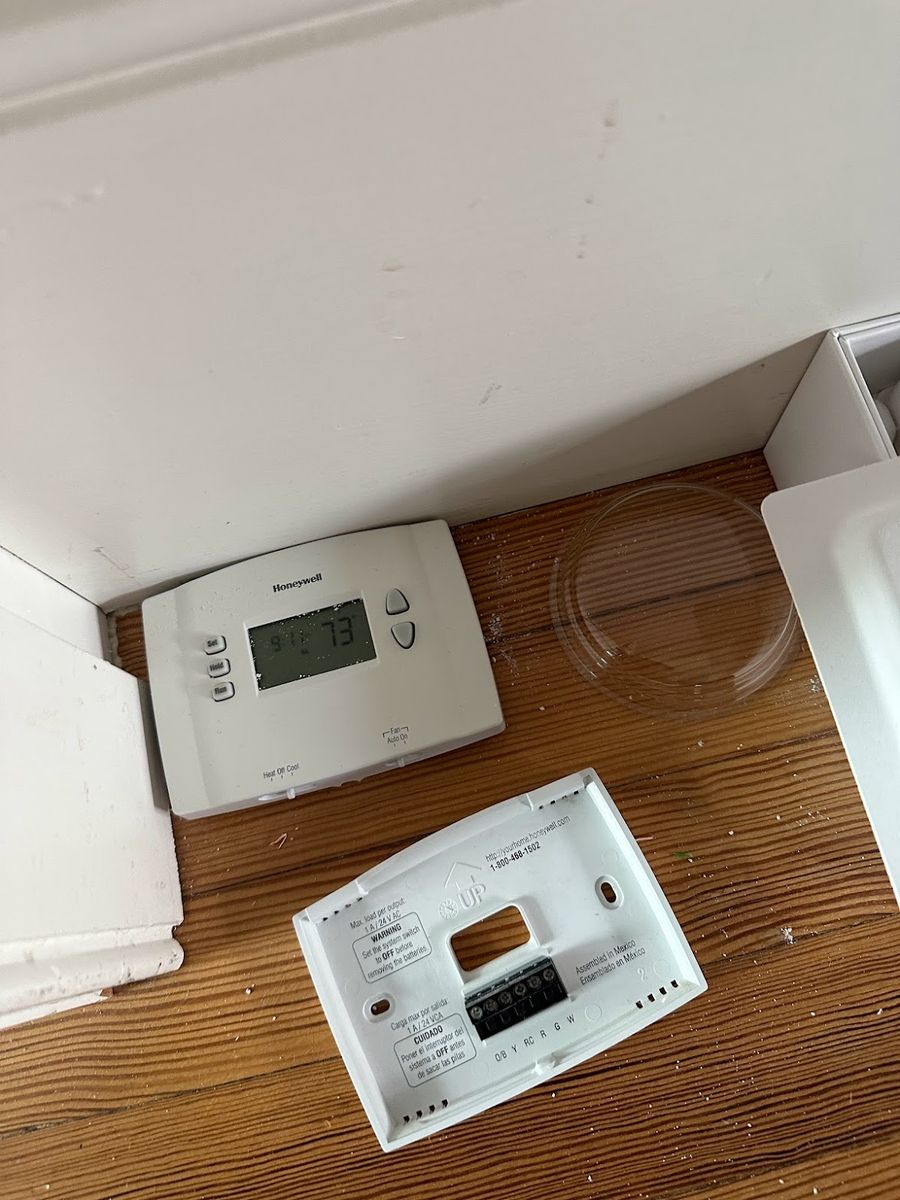
If you keep forgetting to turn the heat down at night, let the thermostat remember for you. ENERGY STAR estimates that a certified smart thermostat saves about 8% on heating and cooling, around $50 a year for an average household, and more in a house with high heating bills.
Zoning and Multi-Zone Thermostats
With one thermostat for the whole house, you end up heating the bedrooms all day so the living room is comfortable, or the other way around. Zoning splits the house into areas that each follow their own schedule. Adding two zones to existing ducts typically costs $1,800 to $4,000 in NYC. See how a multi-zone thermostat system works, and read about adding zones to an existing system.
A New Boiler or Furnace, When the Old One Is Due
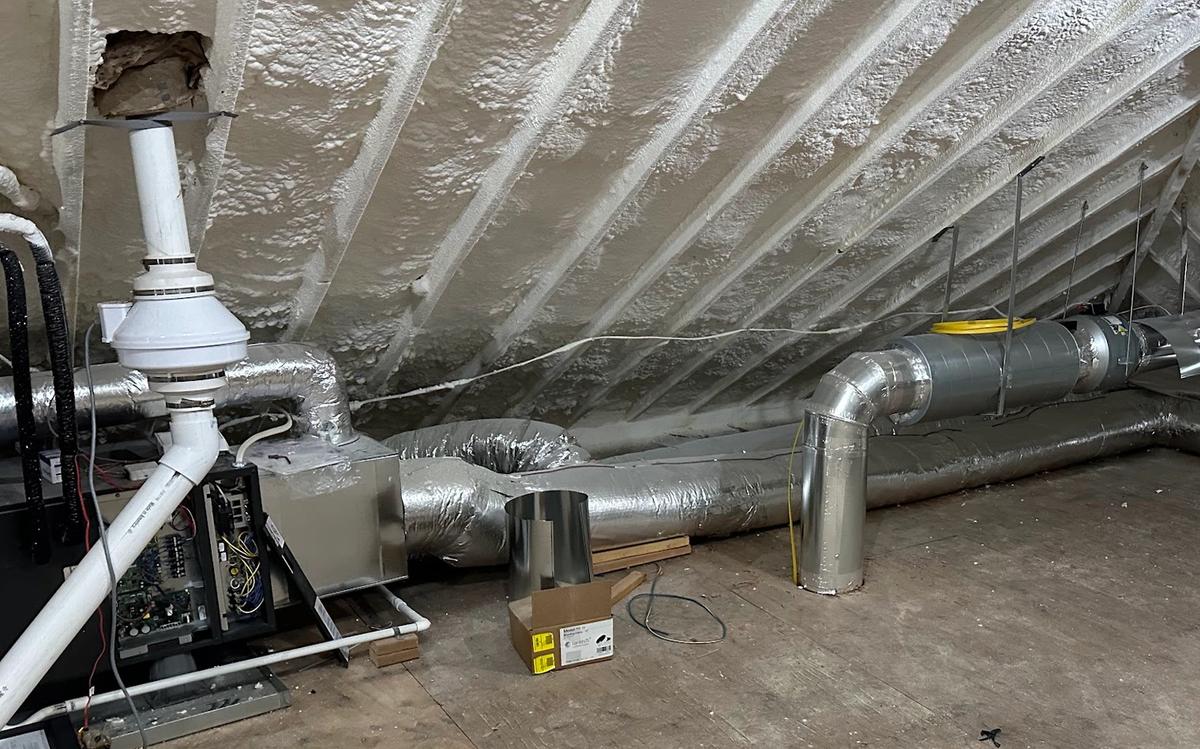
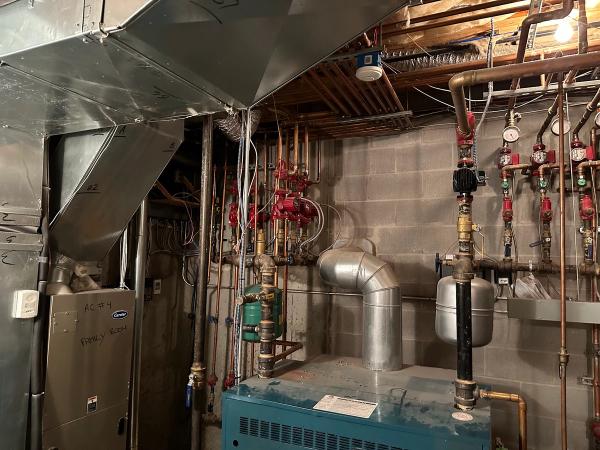
Replacing a boiler that still works well just to save on fuel rarely pays for itself. Replacing one that is old, oversized or failing is different, because that is the moment you choose how efficient the next one will be. Federal minimums today are 80% for gas furnaces and 82 to 86% for boilers, while condensing models reach 95% or more. In plain terms, a 95% unit turns about 95 cents of every fuel dollar into heat for your home. See boiler replacement in NYC and what a new heating system costs in NYC.
Replacing Oil Heat With a Cold-Climate Heat Pump
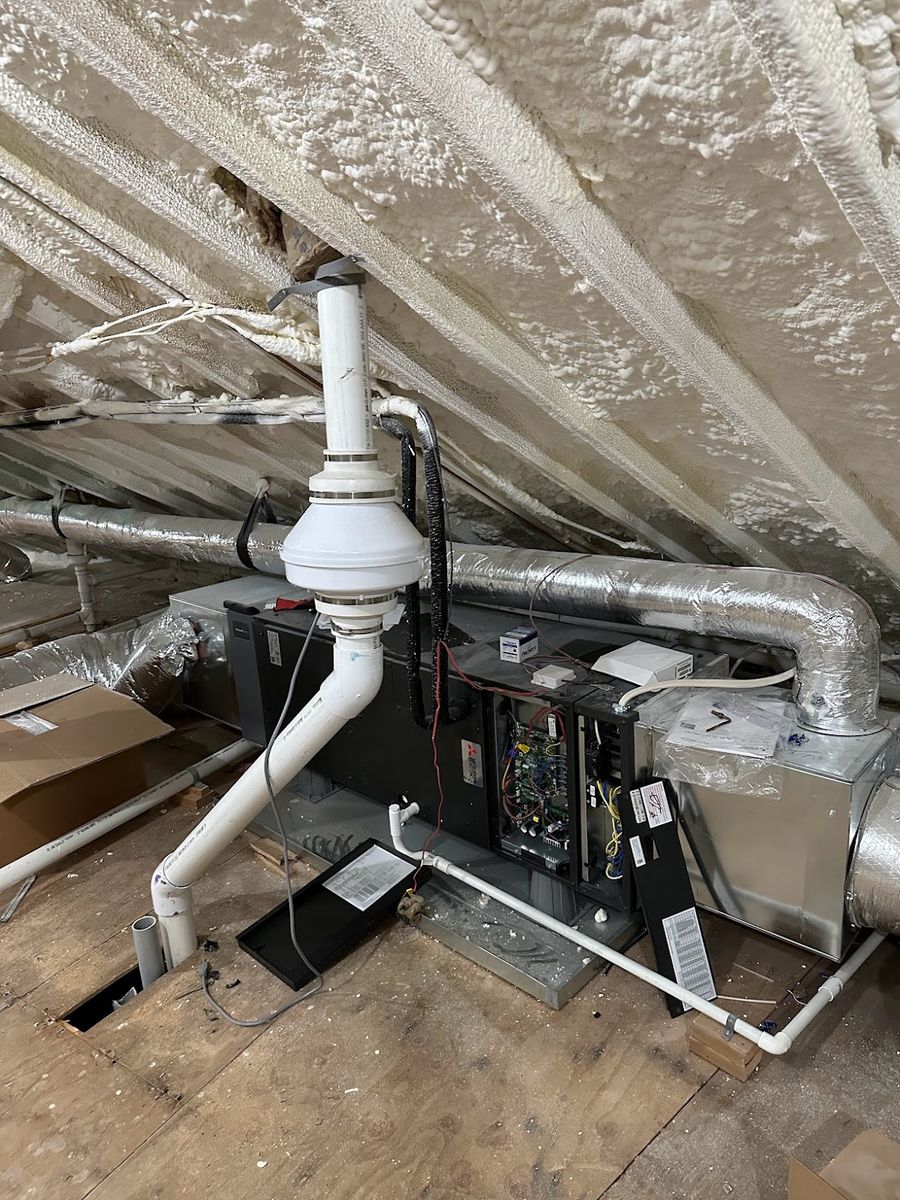
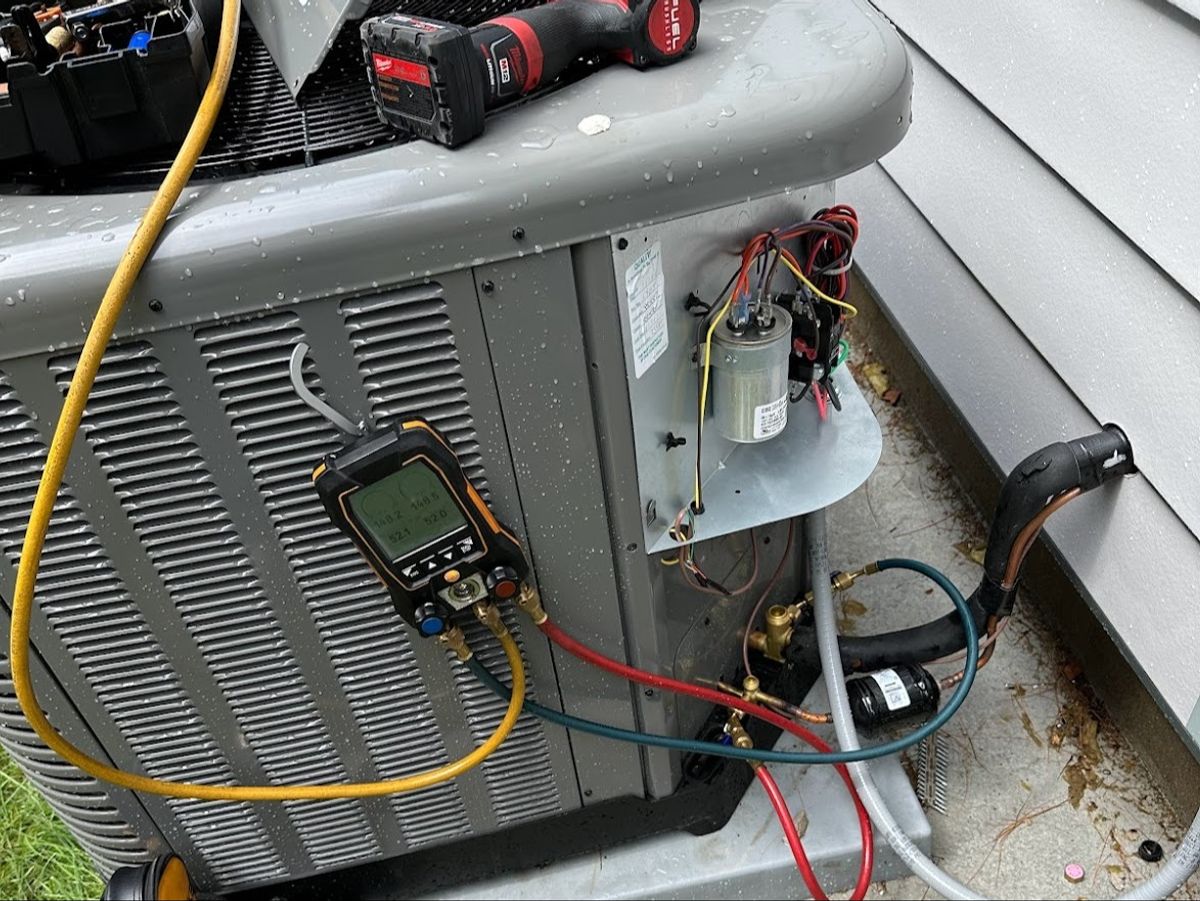
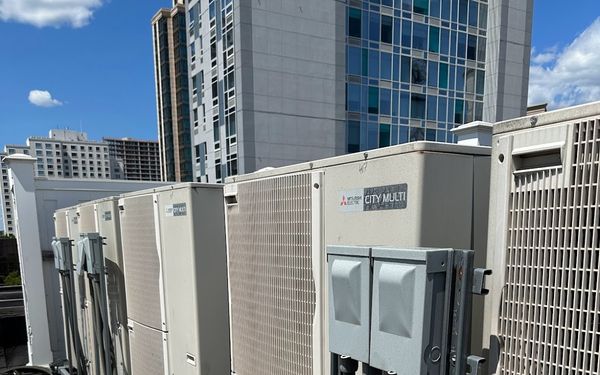
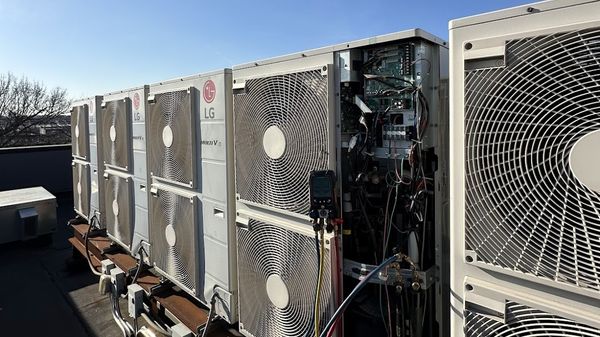
For a house that heats with oil or electric baseboard, this is the upgrade that changes the bill the most. When it replaces oil, Con Edison pays NYS Clean Heat incentives of $7,000 to $11,000 on a single-family full replacement, as a discount on a participating contractor’s invoice; our guide to NYC heat pump rebates explains who qualifies. We install them across the city; see heat pump installation in Brooklyn, Queens and Staten Island.
If a replacement can’t wait, ART HVAC offers monthly payment options through Wisetack, and our heating prices page lists typical ranges for each job.